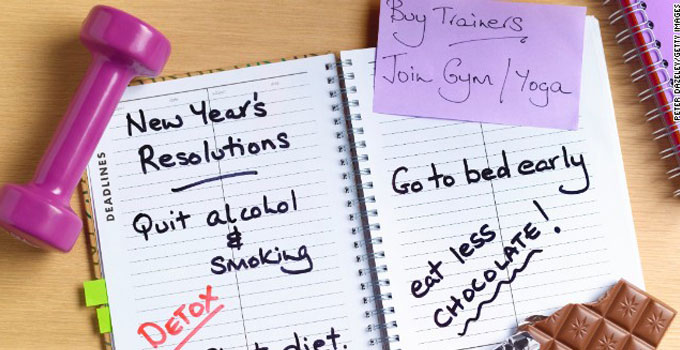
 A new year has begun and with it, it’s once again time to make new resolutions. We’re sure a lot of you have already penned down your New Year resolutions. But what are these new year resolutions? More often than not, they are promises we make to ourselves or near and dear ones to kick one bad habit and imbibe a good change for a better future.
New Year Resolutions Could Be:
- Weight loss
- Get fit and regular exercise
- Eating healthy
- Joining a yoga class
- Giving up smoking
- Quitting excessive alcohol consumption
- Playing a sport
Largely, I have noticed that most resolutions are around health and lifestyle. What is difficult, though, is sticking to the resolution made. It’s not easy to keep the enthusiasm going week after week, especially when you have never played a sport or been active in the past. It’s not easy to maintain the same motivation levels throughout the year. Discipline is hard to come by. Most people don’t feel motivated enough and give up within a few days. It takes focus, planning and determination to stick to resolutions made. It takes the same amount of time to change a particular habit.
Tips To Stick To Your New Year Resolutions
Golden Rule: Make your goal achievable and do not aim for goals that are too difficult to achieve
- Once you have decided on your achievable resolution, write it down. Writing it down makes a greater connection between your thinking self and doing self. This makes the resolution more real than when it is only in your head.
- Change one behaviour at a time. Replacing unhealthy behaviours with healthier ones requires time.
- Fitness cannot be your short-term goal.
- If you want to eat junk food, think about the benefits you will derive from it. It’s the same as thinking before making any financial investments. Occasionally, you can include a piece of Pizza or a burger but not daily.
- If you are looking to reduce 20 kg, then achieve the target by reducing 2-3 kg a month. It is not practical to lose 20 kg in 2 months because it took years to accumulate all that fat and it will only go away slowly.
- If you want to quit smoking and you are smoking 20 sticks a day, then reduce it gradually. You cannot stop immediately because it will take some time for your body and mind to adapt to the change.
- If you intend to start working out, doing yoga or any other activity in the morning, then begin with 3 days a week instead of 7 days a week.
- For working out, most have the issue of waking up early. Try to start at a time comfortable to you. If you wake up daily at 8 am but plan to start working out at 5 am, then it will seldom happen because your circadian system will take time to adjust. Instead, try to wake up at 7 am, which is practical, and you will continue for a long time.
- Be positive while thinking about your achievable goal. Instead of saying, “I cannot do something,” say “I feel much better doing this.”
- Always tell your near and dear ones about your resolution and seek their support to successfully achieve your goal.
- Review your progress and reward yourself for the first target achieved
Lastly, do not wait for anything. Every day is a new day. Start working on your resolution immediately. As the saying goes, “Whatever you want to do tomorrow, do it today and whatever you want to do today, do it now!”
Go ahead and work on your New Year Resolutions. If you have already penned them down and want the right guidance and motivation, reach out to an expert by subscribing to GOQii’s Personalised Health Coaching here.
#BeTheForce of 2025!
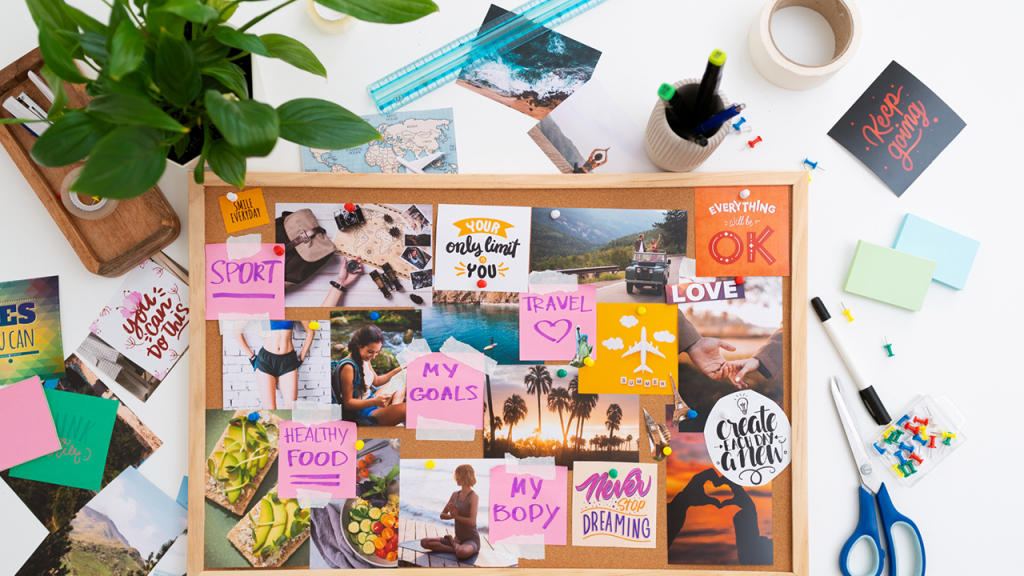 As we edge closer to bidding adieu to 2024 and stepping into the vast possibilities of 2025, the tradition of setting New Year’s Resolutions looms over us. It’s that time of year when we pledge to shed old habits and embrace new beginnings.
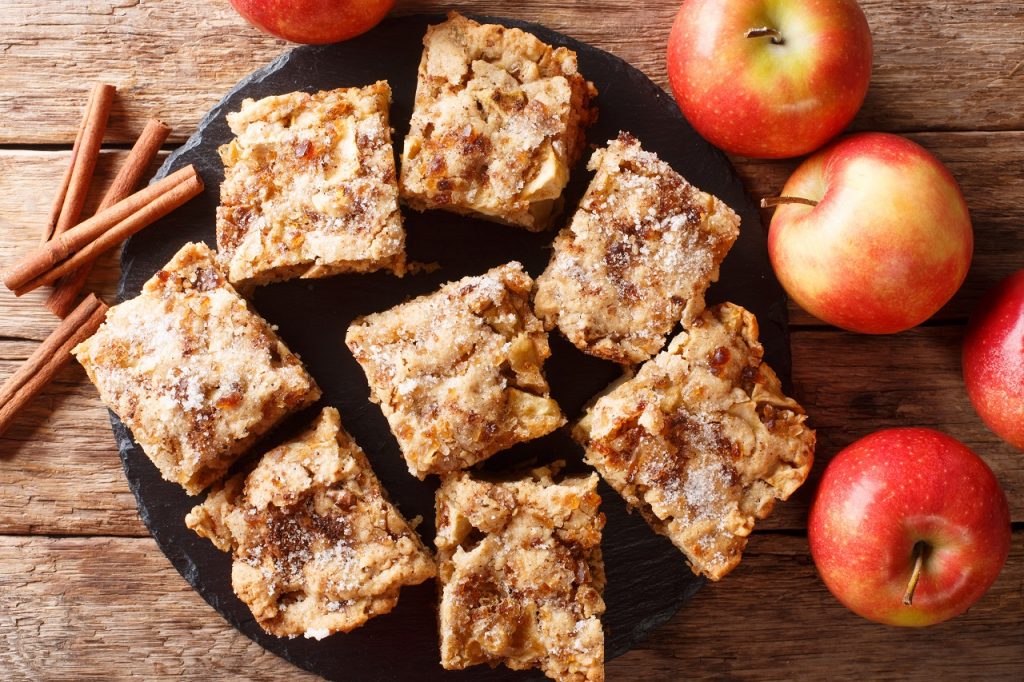 Festivities always cause a dilemma in terms of what to eat, what to avoid and how much to eat. It’s often hard to resist good food. But if you have health goals to adhere to and are looking for something nutritious, we’ve got you covered! Here are 4 healthy recipes for Christmas and New Year that you can try. They are easy to cook, delicious and absolutely healthy!
 Remember the old adage – Eat to Live and not Live to Eat? We don’t always eat simply to satisfy hunger. Sometimes, we turn to food for comfort, stress relief, or as a reward. It becomes an activity we do out of habit, like nail-biting, hair twirling, or finger tapping. Recent trends show that we often turn to food in response to certain emotions. For instance, eating chocolates or sweets when we’re sad or depressed. Whether you feel angry, sad, bored, or even excited—food can act as a buffer against these emotions. But is emotional eating good for you?
 Last step to deal with emotional eating requires long term modification i.e. healthy lifestyle habits. When you’re physically strong, relaxed, and well rested, you’re able to handle the challenges that life throws at you in a better way. But, when you’re already exhausted and overwhelmed, any little hiccup has the potential to send you off the rails and straight towards the kitchen>refrigerator>food. Exercise, sleep, and other healthy lifestyle habits will help you get through difficult times without emotional eating. Make daily exercise a priority.


