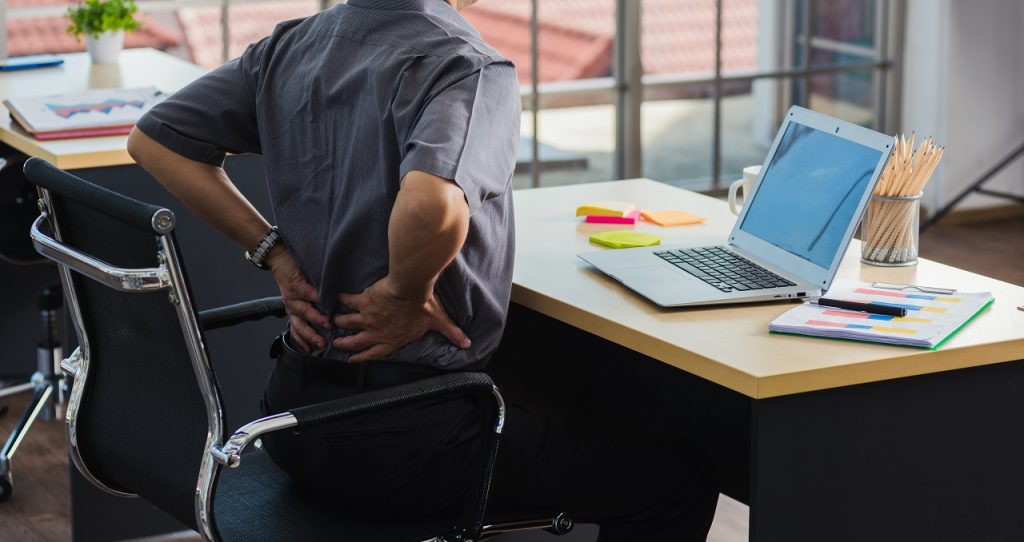
We spend more time sitting than sleeping. The average office worker sits for 9–10 hours a day, far more than the recommended 7–8 hours of sleep. But did you know that prolonged sitting is linked to obesity, heart disease, diabetes, and even early death?
You may have heard the phrase “Sitting is the new smoking”, and for good reason. Research suggests that excessive sitting can be as dangerous as smoking, increasing your risk of serious health issues even if you exercise regularly. With the modern workplace being largely desk-based, it’s crucial to understand how excessive sitting affects your body and what you can do to counteract it.
How Sitting For Long Hours Can Affect Your Health
- Poor Blood Circulation – Sitting for long periods slows down blood flow, increasing the risk of blood clots and varicose veins.
- Increased Risk of Diabetes & Heart Disease – Studies show that prolonged sitting doubles the risk of diabetes and raises the likelihood of heart disease.
- Eye Strain & Digital Fatigue – Constantly staring at screens causes dry eyes, blurred vision, and headaches.
- Back, Neck & Joint Pain – Poor posture and lack of movement contribute to chronic pain in the back, neck, and joints.
- Weakened Heart & Lung Function – Sitting too long reduces cardiovascular efficiency, making the heart and lungs work harder.
- Digestive Problems – Poor posture can slow digestion, leading to bloating, acid reflux, and constipation.
- Mental Fatigue & Mood Changes – Reduced movement can affect mental health, leading to increased stress, anxiety, and fatigue.
How Can You Stay Active At Your Workplace?
While it may not be possible to completely avoid sitting, you can incorporate small changes into your routine to minimise its negative effects.
- Take Small & Frequent Breaks – Stand up and stretch every 30–45 minutes to improve circulation and prevent stiffness.
- Use the Stairs Instead of the Lift – A quick way to get your heart rate up and strengthen leg muscles.
- Take a Walk After Lunch – Even a 5–10 minute walk after eating helps digestion and boosts energy.
- Blink & Rinse Your Eyes Regularly – Combat screen fatigue by following the 20-20-20 rule (look away from the screen every 20 minutes, for 20 seconds, at something 20 feet away).
- Try Simple Desk Exercises – Stretch your neck, shoulders, and legs while sitting to relieve tension.
- Adjust Your Chair for Better Posture – Keep your back straight, feet flat on the floor, and screen at eye level to avoid slouching.
- Consider a Standing Desk or Active Workstation – Alternate between sitting and standing to reduce strain on your body.
- Move While You Work – Take calls while standing or walking, or use a stability ball instead of a chair for better core engagement.
Try to avoid it by taking short breaks and being active! If you experience any pain, here’s what you can do to avoid any further injuries.
Sitting for long hours is unavoidable for many, but small lifestyle adjustments can make a significant difference. By being more aware of your sitting habits and incorporating movement into your daily routine, you can protect your health and improve your overall well-being.
💡 Takeaway: Stand more, move more, and prioritise an active lifestyle to reduce the risks associated with prolonged sitting.
💬 What’s your favourite way to stay active at work? Share your tips in the comments!
#BeTheForce

 Skin is the largest organ of our body and the one that is directly exposed to the outer environment every day. External factors like sunlight, wind, dust, cold weather, alcohol, and smoking, as well as internal factors like dehydration, aging, poor nutrition, stress, and lack of sleep, can damage the skin. When we feel that our skin is damaged or to prevent skin damage, many of us tend to fall for the plethora of skincare products available in the market. But in reality, we need to work on fixing our damaged skin internally rather than relying on external products that may contain harmful chemicals. So, what do we do for skin repair? The answer is simple—it’s the vitamins in our diet!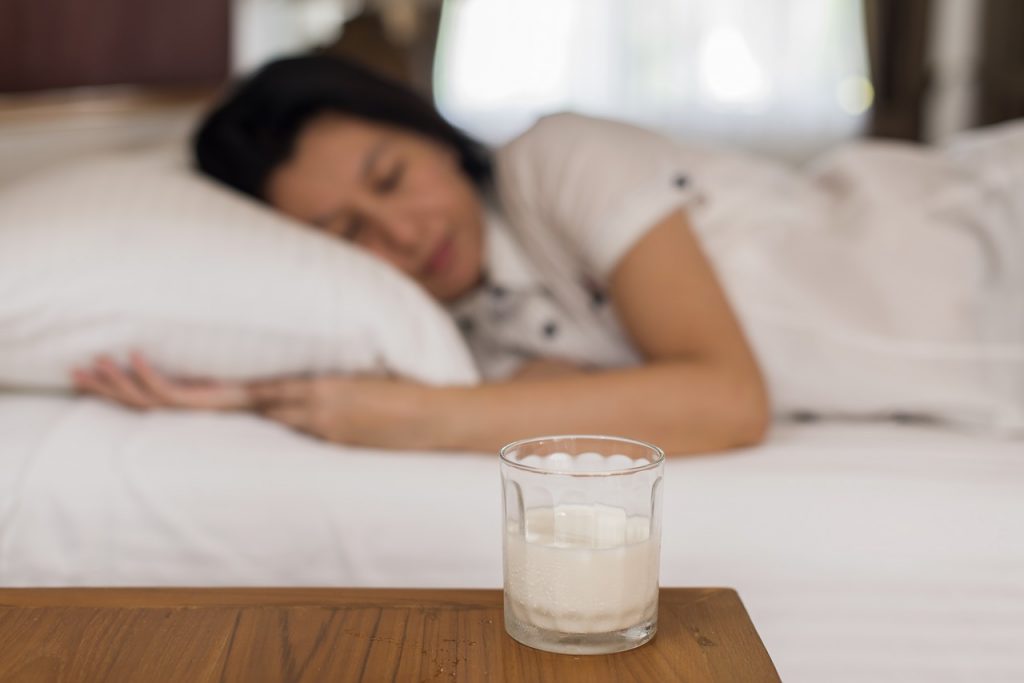


 For years, chamomile tea has been used as a natural remedy to reduce inflammation, anxiety and treat insomnia as well. In fact, chamomile is commonly regarded as a mild tranquilizer or sleep inducer. Chamomile tea contains an antioxidant called apigenin, which may help initiate sleep. You can brew 1 tea bag/ fresh chamomile tea with hot water and drink it before bed or late evening.
 Walnuts contain a few compounds that promote and regulate sleep, including melatonin and serotonin. Each serving of walnuts also contains other nutrients that can help induce sleep such as magnesium. You can munch them along with almonds for combined benefits late in the evening for snacks.


