GOQii

Blog

  • HOME
  • HEALTHY LIVING
  • FITNESS
  • HEALTHY RECIPES
  • USER STORIES
  • KARMA
  • BUY GOQii

Search Results for: heart health

February 2, 2017 By Dr. Viral Thakkar 6 Comments

Surya Namaskar-The 12 Commandments of Sun!

surya-namaskarAvinash, 40 years is hypertensive, diabetic and obese. He has a hectic lifestyle that involves lots of travel. His dietary habits are ill-disciplined and there is no physical activity. He visited me to tell him a mantra which can be followed easily and anywhere for his health. There are many people like Avinash who are concerned about their health but a busy lifestyle is a huge road-block to pursue anything. For such people the practice of Surya Namaskar- Sun Salutation is an ideal habit to inculcate. It is a dynamic exercise which can be done by anyone, at any age and the time required to practise this is not more than 10-15minutes.

Sun is the basic source of energy on the basis of which everyone exists. The importance of sun and the energy it provides is revered in various traditions. The energy of the sun has tremendous healing power, if tapped in the right way the results are miraculous in physical and mental ailments.

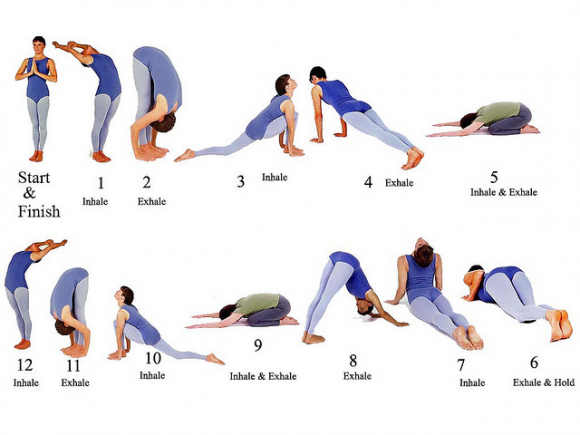
  1. Pranamasan- Stand erect with feet together. Join the palms together in front of the chest in a ‘namaste’ pose. Usually your hands will fall around your heart. Inhale and exhale slowly and gradually. This posture helps to induce a state of relaxation, calmness, gratitude and love.
  1. Hastauttanasana- Join your hands together again, inhaling stretch both arms above the head, palms facing upward. Arch the back and stretch the whole body backwards. This posture stretches the chest and the abdomen and lifts the energy to the upper parts of the body propelled by inhalation. It is an excellent stretch for the back muscles making it stronger.
  1. Padahastasana – Bend the body down while exhaling and keep the spine straight. Keep the legs straight and perpendicular to the ground. The knees should ideally be straight; don’t force yourself, but try to touch your feet. In due course you will!

This posture impacts the abdominal organs- liver, kidneys, pancreas, adrenals, uterus and ovaries. The power of digestion increases and female disorders such as prolapse and menstrual irregularities are relieved. A healthy flow of blood is sent to the spinal nerves as they are stretched and toned. The hamstring muscles at the back of the thigh and calf muscles are stretched and toned.

  1. Ashwa Sanchalanasana – While inhaling, extend the left leg back and drop the knee to the ground. The right knee is bent and kept between the hands and the right foot placed flat on the ground. Lift the spine and open the chest. Concentrate at the eyebrow center. This posture tones the abdominal organs and gives flexibility to the leg muscles during stretching. It is a balancing posture because the spine lengthens upwards while the hands are grounded.
  1. Parvatasana (Mountain posture)- On the exhalation bring the right leg back to join with the left leg. Simultaneously raise the buttocks and lower the head between the arms, so that the body forms a triangle with the floor and you look like a mountain! Try to place the heels flat on the ground.

This posture strengthens the nerves and muscles in the arms and legs, stretches the calf muscles and Achilles’ tendons and makes the spine straight and taut. It relieves varicose veins and tones spinal nerves. Parvatasana pulls up all the abdominal, pelvic and side muscles, stretches the spine and ribs, loosens the hips, stretches and exercises the usually inactive waist zone and helps to reduce a fat, flabby and protruding abdomen. It also aids correct breathing.

  1. Ashtanga Namaskara – Exhaling gently drop both knees to the ground and slowly slide the body down at an angle as you bring the chest and chin to the ground. All eight limbs – toes, knees, chest, hands and chin touch the floor. The buttocks are kept up. You can hold your breath. This posture develops the chest and strengthens arms. It sends additional blood to this area helping to rejuvenate the nerves. It works and improves the muscles of all the 8 limbs involved.
  1. Bhujangasana- On the inhalation, lower the hips while pushing the chest forward and upward with the hands, until the spine is fully arched and the head is facing up. The knees and lower abdomen remain above the floor. This pose expands the all organs of the chest and abdomen, relieving many ailments such as asthma, constipation, indigestion, kidney and liver problems. It is very helpful in relieving tension in the back muscles and spinal nerves.

From here on, you will do the poses in a reverse action.

  1. Parvatasana (Mountain posture) Exhale and get back to posture 5
  1. Ashwa Sanchalanasana- Inhale and swing the right leg forward between the hands. The left leg remains back. Resume posture 4. 
  1. Padahastasana (Hand to foot posture)- Exhaling, bring the left foot forward. Join both legs and resume posture 3
  1. Hastauttanasana (Raised arm posture)- Inhale, raise the trunk up and bend backward. Resume posture 2
  1. Pranamasana (Salutation posture)- Straighten the body and bring your hands in front of the chest. Resume posture 1.

These simple set of 12 exercise postures ensures that you begin your day with a bang! As a Doctor who understands the science of human body, I believe these set of exercises are a boon. Every posture in Surya Namaskar has a corresponding effect on our internal organs as described above. For best results, one should practise these steps with deep inhalation and exhalation. You can also do each pose quickly and have 2-3 cycles of Namaskar, but for best results, take deep breaths- 5-8 for each pose.

It is not only beneficial for the physical body, but it leads to mental and spiritual growth if done regularly. In ancient literature even Patanjali describes it as a complete exercise- involving every muscle, joint and organs. It balances all the systems of human body- it rejuvenates the cells of the body leading to an ideal health state. The above mentioned benefits are just a few of the huge list of advantages.

Salute the Sun! Salute your Health!

Surya Namaskar is a set of 12 poses (steps), if performed in sequence every day with correct breathing is the best gift one can give to one’s own self. Ideally, these poses should be done empty stomach, at the time or just before sunrise. I will introduce you to each of these poses and the significance of each.

January 17, 2017 By Farida Gohil Leave a Comment

Mining for Hidden salt

avoid salty foods
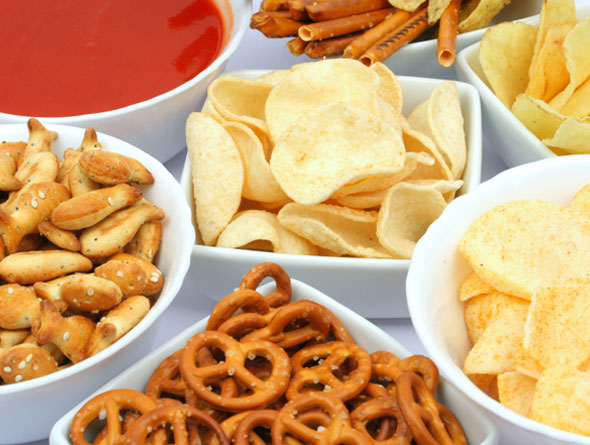
You can easily tick off a list of salty, sodium-rich foods: potato chips, popcorn, hot dogs, pizza, pickles and more. But there are plenty of high-sodium foods you probably aren’t aware of. According to the centres of Disease Control, Americans get one-third of their sodium from breads and rolls, chicken and chicken dishes, pizza, egg dishes and pasta dishes. That’s partly because these foods contain added salt and partly because we eat them so often. Here’s another staggering number: up to 80% of the salt in your food was put there by someone other than you.

Your body needs little bit of sodium in salt to contract muscles, send nerve impulses, and maintain a healthy balance fluids. But, too much sodium can increase blood pressure, make the heart work harder, thicken and stiffen blood vessels, and more. Higher salt and sodium consumption have been linked to increased risk of heart disease and stroke.

HOW CAN YOU AVOID THESE HIDDEN SALT MINES?
avoid-processed-foods

Read food labels carefully. Look at both the amount of sodium per serving and the recommended daily sodium allowance percentage. Shops for product labelled “salt free,” or “no salt added,” or “low sodium.”

Avoid condiments such as soy sauce, ketchup, teriyaki sauce, and salad dressings, which tend to be loaded with salt.

Another good strategy is to limit your use of prepared and processed foods, which tend to be made with a lot of salt. Adding more fresh or frozen fruits and vegetables to your diet can also lower sodium and increase potassium.

Restaurants foods are often loaded with salt. Many restaurants now offer low-sodium choices. If your food is being made to order, don’t hesitate to ask that it be made without salt.

November 10, 2016 By Farida Gohil 1 Comment

Whole Grains slash Pre-Diabetes Risk!

Whole grains

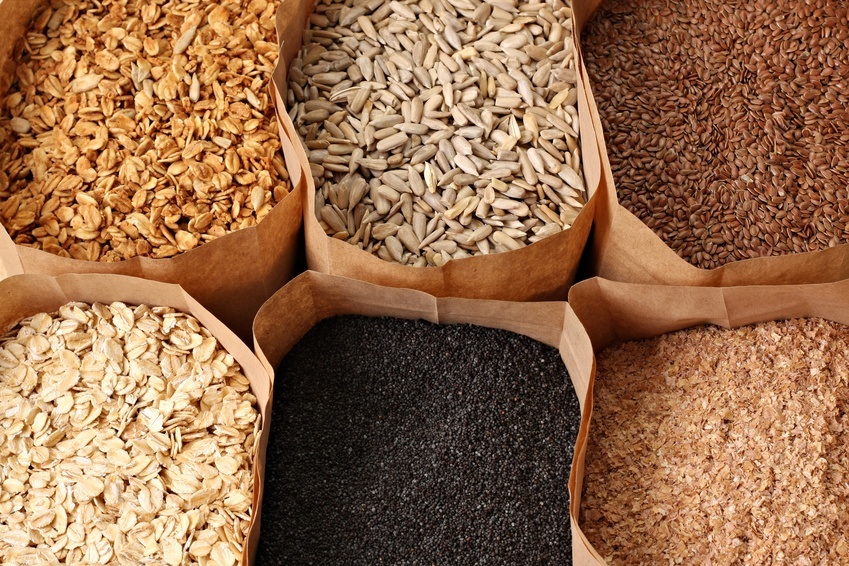
Whole grains are packed with nutrients, including protein, fiber, B vitamins, anti-oxidants, and trace minerals (iron, zinc, copper, and magnesium). A diet rich in whole grains has been shown to reduce the risk of heart disease, type 2 diabetes, obesity, and some forms of cancer.

The addition of more whole grains into a healthy diet is associated with a decreased risk of deteriorating glucose tolerance, including progression from normal glucose tolerance to pre-diabetes, according to a new study published in the American Journal of Clinical Nutrition.

According to a research paper titled Food Product Design, dated Dec 26, 2012 published in Health and Nutrition, researchers at Karolinska Institute and Karolinska University Hospital investigated whether a higher intake of whole grains protects against the development of pre-diabetes and type 2 diabetes and tested for modulation by polymorphisms of the TCF7L2 gene. Participants included 5,477 Stockholm residents aged 35 to 56 years who were not diagnosed with diabetes and who kept food journals of how much whole and refined grains they consumed. Researchers measured blood glucose in study participants and followed up 10 years later.

Participants who ate 59 grams of whole grains a day had a 34% lower risk to deteriorate in glucose tolerance compared to those who ate 30 grams of whole grains a day. Risk reduction was significant in men, but not in women. Participants who consumed 59 grams of whole grains a day also had a 27% reduced risk of becoming pre-diabetic.

Whole grains are rich in fibre. Fibre in the diet does not allow the blood glucose levels to rise thereby controls the rise in sugar levels in the body. Fibre also helps in lowering cholesterol as it helps in decreasing the low density lipoprotein whch is bad cholesterol and increases high density lipoprotein which is good cholesterol.

What foods are in the grains group?

Any food made from wheat, rice, oats, cornmeal, barley or another cereal grain is a grain product. Bread, pasta, oatmeal, breakfast cereals, tortillas, and grits are examples of grain products.

It is advised that at least half the grains in your diet should be whole grains. Whole-grain versions of rice, bread, cereal, flour and pasta can be found at most grocery stores. Many whole-grain foods come ready to eat. These include a variety of breads, pastas and cereals.

Examples of whole grains include:

  • Barley
  • Brown rice
  • Buckwheat
  • Bulgur (cracked wheat)
  • Millet
  • Oatmeal
  • Popcorn
  • Whole-wheat bread, pasta or crackers
  • Wild rice

It’s not always easy to tell what kind of grains a product has, especially bread. For instance, a brown bread isn’t necessarily whole wheat — the colour may come from added colouring. If you’re not sure something has whole grains, check the product label or the Nutrition Facts panel. Look for the word “whole” on the package, and make sure whole grains appear among the first items in the ingredient list.

October 10, 2016 By Dr Ashwin Nanda 1 Comment

SHEDDING LIGHT ON DEPRESSION

depression

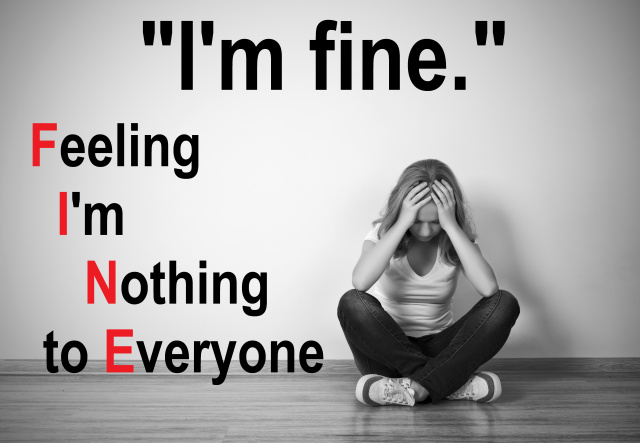
Last year, when the famous Bollywood actress Deepika Padukone opened the lid on her struggle with anxiety and depression and admitted to the world that she was on medication for the same, it became the talk of the town. Everyone started discussing mental health, there were articles in Newspapers, TV channels interviewing the actress and asking her to tell her story. Padukone became an example for many to come out and discuss their issue without fear. Why so? Because depression and mental illness isn’t usually talked about. There is shame and stigma attached to talking about depression. Today, on world health day, I would like to share some insights into depression and what needs to be done when in that situation.

My first experience in dealing with depression was when I was still in Medical school. My very close friend from medical school went through depression. It was then I realized that one needs a lot of empathy and patience to understand what someone is going through in depression. The extreme low mood during depression is such a bad feeling that no one chooses to be depressed by choice …it’s either circumstances or medical conditions that push an individual into depression.

My friend had slipped into depression due to a heart break. The impact was so huge that he withdrew himself from studies, friends and family. He slept longer than usual 8 hours, ate less and experienced terrible mood swings. He refused to talk to anyone and eventually turned suicidal. It is at this point that we had to rush him to the psychiatry department of our college hospital.

The psychiatrist talked to my friend privately for 15 minutes and then to his parents and me privately for another 10 minutes. Then, called us all in and sat us down and explained to us that my friend was suffering from an episode of major depression and medication was a must.

None of us were comfortable that he needed medication to recover from depression but, as counseled by the doctor, avoiding medicines wasn’t an option as he was feeling suicidal. Fifteen days later he started feeling better by 10% and the counselor started weekly sessions with him on the recommendation of the Psychiatrist to expedite recovery. Thankfully my friend recovered completely to his normal self in 6 months’ time and medicines and counseling were discontinued.

It is said that one in every four people suffer from anxiety and depression. According to WHO (World Health Organization) 350 million people worldwide suffer from depression in a year. By the year 2020, it will be the second most common disorder after heart disease. The chemical changes occurring in the brain during depression is a reduction in the level of Serotonin, dopamine and nor adrenaline – these are neurotransmitters (Chemicals which are produced by brain cells).

SOME COMMON SYMPTOMS OF DEPRESSION:

  1. Loss of interest / pleasure in activities which were previously enjoyable.
  2. Decreased energy.
  3. Feelings of guilt and low self – worth.
  4. Disturbed sleep and appetite.
  5. Poor concentration.
  6. Substantial impairment in the person’s ability to handle his/her daily responsibilities.
  7. At its worst it can make the person suicidal.

All symptoms are mild in the beginning and gradually increase in intensity over time.

RISK FACTORS:

  1. Genetics – If you have an immediate family member who has experienced major depression, there is a likelihood that you will also have an episode in your lifetime.
  2. Financial hardships and low education levels.
  3. Female Gender – depression is two to three times more likely in women as compared to men. Depression setting in after delivery of child occurs in some cases.
  4. Chronic illnesses like diabetes, tuberculosis, arthritis.
  5. Exposure to violence / Abuse especially in childhood.
  6. Being separated / divorced especially for men.

MANAGING DEPRESSION:

It is important to recognize depression and take it seriously. Going to a psychiatrist is a must

Mild cases can improve with counseling and psychological therapy (depending on the cause of depression, the person is taught coping mechanisms). Severe cases need anti-depressants along with psychological therapy. Self help is equally essential.

Some self help tips:

  1. Create a daily routine and try to stick to it.
  2. Exercise releases endorphins in the brain which give a feeling of happiness, hence daily exercise is a must to recover and prevent depression.
  3. Try to eat a healthy and balanced diet daily.
  4. Openly communicate with family members and loved ones about what you are experiencing to foster relationships and get support.
  5. Avoid alcohol and recreational drugs as they worsen depression.
  6. Be patient with yourself. For someone with depression even the smallest tasks can seem impossible.

Depression is treatable and plenty of help is available to assist a person cope with it and get back to leading a normal and enjoyable life.

  • « Previous Page
  • 1
  • …
  • 120
  • 121
  • 122
  • 123
  • 124
  • …
  • 136
  • Next Page »

Search

Recent Posts

  • Healthy Eating: Vegetable Stuffed Ragi Paratha
  • Sustaining the “GLP-1 Glow”: Nutrition for Skin and Tissue Elasticity
  • Nutritional Deficiencies That Can Cause Hair Loss (And How to Fix Them)
  • The Recovery Gap: Sleep Debt, Overwork and Silent Burnout Are Ageing You Faster
  • Sleep Well, Live Better: Lifestyle Habits That Improve Sleep Quality

Stay Updated

Archives

  • March 2026 (10)
  • February 2026 (14)
  • January 2026 (14)
  • December 2025 (19)
  • November 2025 (15)
  • October 2025 (20)
  • September 2025 (6)
  • August 2025 (6)
  • July 2025 (12)
  • June 2025 (18)
  • May 2025 (16)
  • April 2025 (22)
  • March 2025 (23)
  • February 2025 (22)
  • January 2025 (25)
  • December 2024 (22)
  • November 2024 (23)
  • October 2024 (21)
  • September 2024 (24)
  • August 2024 (30)
  • July 2024 (21)
  • June 2024 (26)
  • May 2024 (31)
  • April 2024 (27)
  • March 2024 (27)
  • February 2024 (25)
  • January 2024 (21)
  • December 2023 (15)
  • November 2023 (11)
  • October 2023 (19)
  • September 2023 (22)
  • August 2023 (18)
  • July 2023 (22)
  • June 2023 (24)
  • May 2023 (24)
  • April 2023 (23)
  • March 2023 (23)
  • February 2023 (19)
  • January 2023 (15)
  • December 2022 (11)
  • November 2022 (15)
  • October 2022 (15)
  • September 2022 (12)
  • August 2022 (10)
  • July 2022 (17)
  • June 2022 (11)
  • May 2022 (10)
  • April 2022 (6)
  • March 2022 (6)
  • February 2022 (13)
  • January 2022 (11)
  • December 2021 (7)
  • November 2021 (3)
  • October 2021 (6)
  • September 2021 (3)
  • August 2021 (8)
  • July 2021 (7)
  • June 2021 (15)
  • May 2021 (16)
  • April 2021 (10)
  • March 2021 (7)
  • February 2021 (4)
  • January 2021 (4)
  • December 2020 (3)
  • November 2020 (4)
  • October 2020 (10)
  • September 2020 (3)
  • August 2020 (3)
  • July 2020 (2)
  • June 2020 (4)
  • May 2020 (10)
  • April 2020 (12)
  • March 2020 (10)
  • February 2020 (4)
  • January 2020 (4)
  • December 2019 (3)
  • November 2019 (7)
  • October 2019 (5)
  • September 2019 (4)
  • August 2019 (9)
  • July 2019 (9)
  • June 2019 (11)
  • May 2019 (4)
  • April 2019 (8)
  • March 2019 (8)
  • February 2019 (9)
  • January 2019 (8)
  • December 2018 (9)
  • November 2018 (3)
  • October 2018 (3)
  • September 2018 (5)
  • August 2018 (10)
  • July 2018 (6)
  • June 2018 (13)
  • May 2018 (8)
  • April 2018 (18)
  • March 2018 (9)
  • February 2018 (8)
  • January 2018 (15)
  • December 2017 (12)
  • November 2017 (19)
  • October 2017 (13)
  • September 2017 (15)
  • August 2017 (4)
  • July 2017 (8)
  • June 2017 (7)
  • May 2017 (6)
  • April 2017 (8)
  • March 2017 (6)
  • February 2017 (7)
  • January 2017 (9)
  • December 2016 (10)
  • November 2016 (7)
  • October 2016 (7)
  • September 2016 (7)
  • August 2016 (11)
  • July 2016 (9)
  • June 2016 (9)
  • May 2016 (12)
  • April 2016 (17)
  • March 2016 (17)
  • February 2016 (8)
  • January 2016 (6)
  • December 2015 (2)
  • November 2015 (9)
  • October 2015 (7)
  • September 2015 (9)
  • August 2015 (11)
  • July 2015 (9)
  • June 2015 (12)
  • May 2015 (9)
  • April 2015 (13)
  • March 2015 (8)
  • February 2015 (5)
  • January 2015 (12)
  • December 2014 (14)
  • November 2014 (11)
  • October 2014 (6)
  • September 2014 (13)
  • August 2014 (12)
  • July 2014 (6)
  • June 2014 (2)
  • May 2014 (7)
  • April 2014 (4)

From “Laddu Nawin” to Fit and Fierce: How a 25-Year-Old Insurance Advisor Shed 20 Kilos and Gained His Life Back

When 25-year-old Nawin Yadav from Hyderabad walked into his office every morning, he carried more than just his files and policy papers. He had the weight of fatigue, sluggish energy, and an ever-growing belly that was becoming the butt of jokes. “People … [Read More...]

“I’ve Challenged Myself to Live 100 Years” – The Story of Chandubhai Savani’s Second Chance at Life

At 67, most people start slowing down. Not Chandubhai Savani. A resident of Surat, Chandubhai, thought life was on track. “My life was going well till I had my bypass surgery,” he says. That surgery, back in 2021, was a wake-up call.  Medication was routine, but exercise wasn’t. His diet? What he calls ‘normal.’ “I […]

From Shimla’s Slopes to Chandigarh’s Sidewalks: Surinder Kaur Bhalla’s Journey from Chaos to Control

Some journeys start with a plan. Others begin with a stumble literally. Surinder Bhalla, a government professional, born and raised in the scenic hill town of Shimla, had always lived a life of movement. “In Shimla, you walked everywhere,” she reflects. “Walking was never an exercise. It was just life.” But after shifting to Chandigarh, […]

Ananda Mukherjee Health Story

From Terminal Illness To Complete Wellness! Ananda Mukherjee Health Story

As we observe World Cancer Day under the powerful theme ‘United by Unique’ (2025-2027)**, we are reminded that every individual’s journey with cancer is distinct, yet united by shared resilience, hope, and the collective fight against this disease. This theme places people at the centre of care and their stories at the heart of the […]

  • HOME
  • HEALTHY LIVING
  • FITNESS
  • HEALTHY RECIPES
  • USER STORIES
  • KARMA
  • BUY GOQii

Copyright ©2016 GOQii