GOQii

Blog

  • HOME
  • HEALTHY LIVING
  • FITNESS
  • HEALTHY RECIPES
  • USER STORIES
  • KARMA
  • BUY GOQii

Search Results for: fat

December 17, 2024 By GOQii 1 Comment

8 Tips To Keep Your Skin Healthy During Winter

8 Tips To Keep Your Skin Healthy During Winter Nobody likes it when their skin feels and looks tight, dry and flaky. But, winter creates these problems for the skin. Cold air, harsh winds and pumped-up indoor heat can increase facial tissue sensitivity and leave the skin dry. But don’t worry! We have some tips to keep your skin healthy this winter!

8 Tips To Keep Your Skin Healthy

  1. Hydrate: It would be a great idea to make sure that you have lots and lots of water to keep your cells alive. It indirectly will affect your skin to keep it amazingly glowing. Ideally, you need to drink 2-3l of water a day.
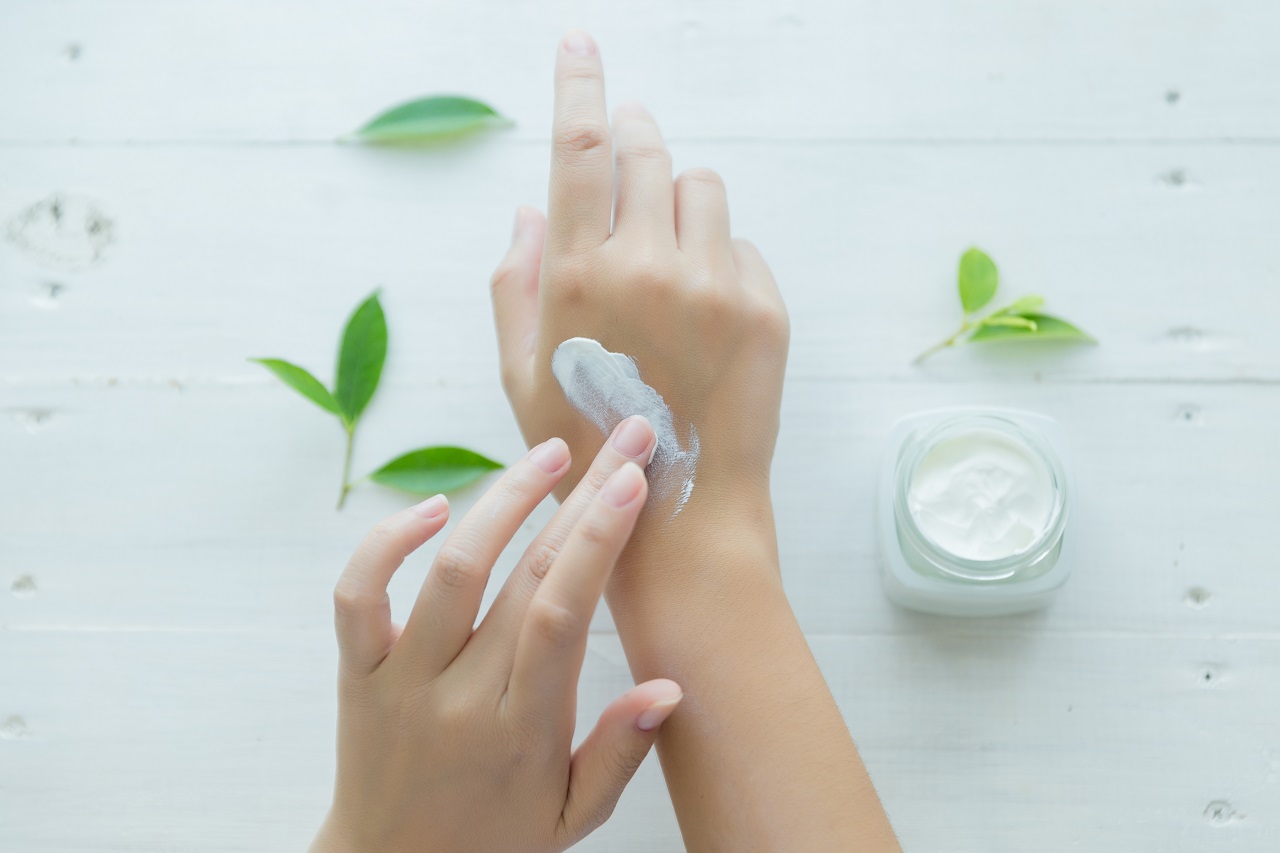
  2. Moisturize: Use the right moisturizer for your skin type and an oil-free skin serum underneath for additional hydration. For dry skin, using moisturizer with ingredients such as safflower oil, soya bean oil, sweet almond oil, carrot oil, Shea butter or evening primrose oil on a regular basis will help in correcting the lack of oil and hydration deep within the skin. It will help you get that moist, supple and smooth skin. Oils like Coconut oil, Olive Oil, or Mustard Oil, can be applied 10-15 mins before bathing.
  3. Cover Up: Avoid prolonged exposure to cold air. Wear hats, scarfs, and gloves for your hands to avoid them. Slipping on a cotton glove over a moisturized hand will help you protect your skin.
  4. Eat Right: Add more of Omega 3 fatty acids, and foods full of mono-unsaturated fats such as fish, nuts, olive oil, flax seeds, sardines and avocados to your diet. These foods are great for healthy skin.
  5. Include More Vit C: Eat more foods that are rich in Vitamin C as they can help boost your body’s collagen, a protein that maintains skin and other connective tissues.
  6. Handle With Care: To prevent chapping parched hands, use wipe-off, soap-free cleansers and alcohol-free hand sanitizers.
  7. Right Clothing: If your skin does get irritated, wear breathable soft fabrics, such as cotton instead of polyester or itchy woollens. Less fitting clothes will also prevent your skin from irritation due to perspiration and chaffing.
  8. Lastly, winter can also mean reduced sun exposure. Sunlight is very important not only for the skin but for the whole body as well to produce Vitamin D and get enough calcium that way. So consult a doctor if you have a deficiency.

These tips will help you keep your skin healthy through the winter season! We hope this article helps! Do leave your thoughts in the comments below.

For more tips to stay healthy during winter, check out Healthy Reads or speak to an expert by subscribing for GOQii’s Personalised Health Coaching here.

#BeTheForce

December 16, 2024 By Dr. Viral Thakkar 15 Comments

Menstrual Pain: Every Woman’s Nightmare No more!!

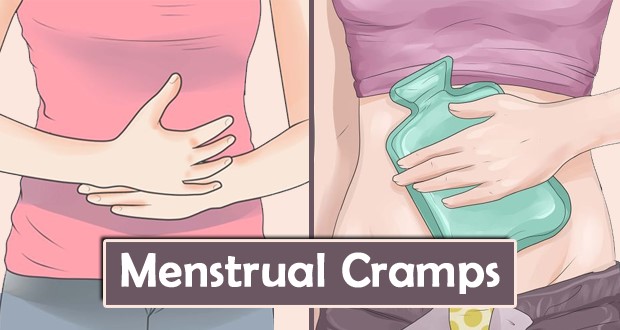
woman-with-hot-water-bottleI know many women, especially adolescents, who don’t like ‘being a woman’ because of the pain during menstruation. If you are one of those or know such women, this article is for you.
Primary dysmenorrhea (menstrual pain) is a normal part of menstruation. It affects girls during adolescence and eases as they mature. It may be painful, but it is not harmful.

Prostaglandins (hormones that causes your uterus to contract during menstruation and childbirth) are responsible for the pain. This pain results from contractions of your uterus that occur when the blood supply to its lining (endometrium) is reduced. (But hey! It is a part of you, and it is important, so blame it, but accept it and get on with it).

menstrual cramps Image 1

Other factors include a uterus that tilts backward instead of forward, lack of exercise, psychological or social stress, smoking, drinking alcohol or being overweight.

Secondary dysmenorrhea is generally related to some kind of gynecological disorder. It is most likely to affect women during adulthood.

Causes

  1. Fibroids that develop within the uterine wall or are attached to it cause inflammation leading to pain.
  2. Adenomyosis – the tissue that lines the uterus (called the endometrium) begins to grow within its muscular walls. This makes the uterine walls thicker. It may lead to heavy or longer-than-usual menstrual bleeding, as well as pain during menstrual cycle or intercourse.
  3. A sexually transmitted infection.
  4. Endometriosis – fragments of the endometrial lining that are found on other pelvic organs.
  5. Pelvic inflammatory disease, primarily an infection of the fallopian tubes, but it can also affect the ovaries, uterus, and cervix. It is caused primarily by sexually transmitted infections that spread up from the opening of the uterus to these organs.
  6. An ovarian cyst or tumor is a sac filled with fluid that forms on or inside of an ovary, causing pain.
  7. The use of an intrauterine device (IUD), a birth control method, leads to painful menstruation, which decreases over time.

‘Pain’ is the body telling us that something is not right. So listen to what your body is telling you. While you must seek medical advice for secondary dysmenorrhea, consider the following as well.

Be comfortable with your body. Negative messaging at times can become part of the subconscious mind, which rejects the female body. So anything that reminds the body of being a ‘woman’ can hurt.

Have a balanced diet. Ensure your diet includes foods rich in Vitamin B12, D, omega-3 fatty acids and calcium. As an extra tip, ginger is a wonder herb that can effectively ease menstrual cramps as it lowers the levels of pain-causing prostaglandins.

A hot water bag relaxes the contracting muscles in your uterus.

Make sure your hemoglobin level is within the normal range by including iron rich foods along with foods high in Vitamin C in your everyday diet.

An orgasm can help relieve all kinds of pains. Before an orgasm, the uterus is more relaxed, and during climax, blood flow increases, helping to relieve the cramps. The endorphins released after sex will make you feel better instantly.

Eat 2tbs of flaxseeds every day during periods reduces prostaglandin levels in the body.

Keep yourself hydrated during your period (and otherwise too!).

Exercise increases the blood flow, which calms the pain naturally.

Be happy, and you will feel your body responding better and dealing better with pain during your period.

Yoga Postures to relieve menstrual pain

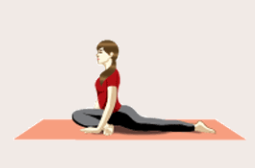
One Legged Pigeon Pose stretches the entire lower part of the body and stimulates the abdominal organs.

menstrual cramps- yoga pose 1

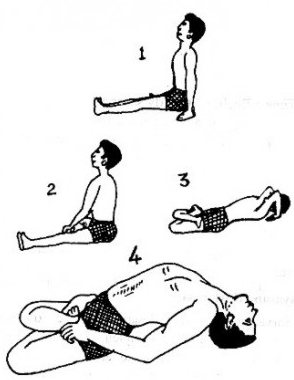
Matsyasana (Fish pose) is a backbend that stretches and stimulates the belly muscles.

menstrual cramps- yoga pose 2

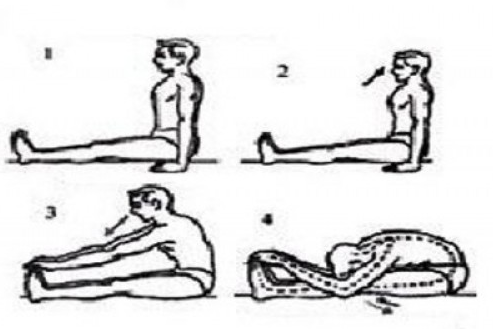
JanuShirasana (One-legged Forward bend) massages the abdominal organs.

menstrual cramps-yoga pose 3

Dhanurasana (Bow pose) strengthens the abdominal muscles and stimulates the reproductive organs.

Menstrual cramps-Yoga pose 4

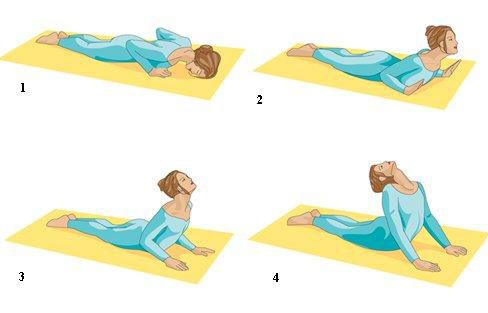
Bhujangasana (Cobra pose) stretches and tones the abdomen.

Menstrual Cramps-Yoga pose 5

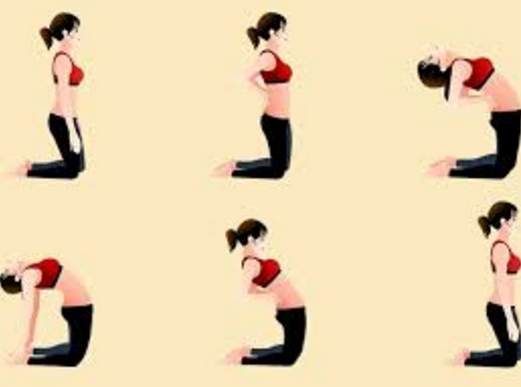
Ustrasana (Camel pose) stretches and opens the front of the body.

menstrual cramps-yoga pose 6

Yoga is one of the means to reach your goal of painless menstruation. Don’t forget to respect your body and give it time to overcome the pain.

We hope this article provides valuable insights into managing menstrual pain and helps you feel more empowered during your menstrual cycle. Remember, it’s essential to listen to your body and seek professional advice when needed. Do you have your own tips or experiences to share? Let us know in the comments below! For further information or guidance, reach out to our certified experts by subscribing to GOQii’s Personalised Health Coaching here.

#BeTheForce

Disclaimer: The information provided in this blog is for general awareness and educational purposes only. It is not intended to replace professional medical advice, diagnosis, or treatment. Always consult a qualified healthcare provider for personalised medical guidance or concerns related to your health.

December 9, 2024 By Neha Goyal 2 Comments

Pistachios – Your Powerful Nutritional Punch!

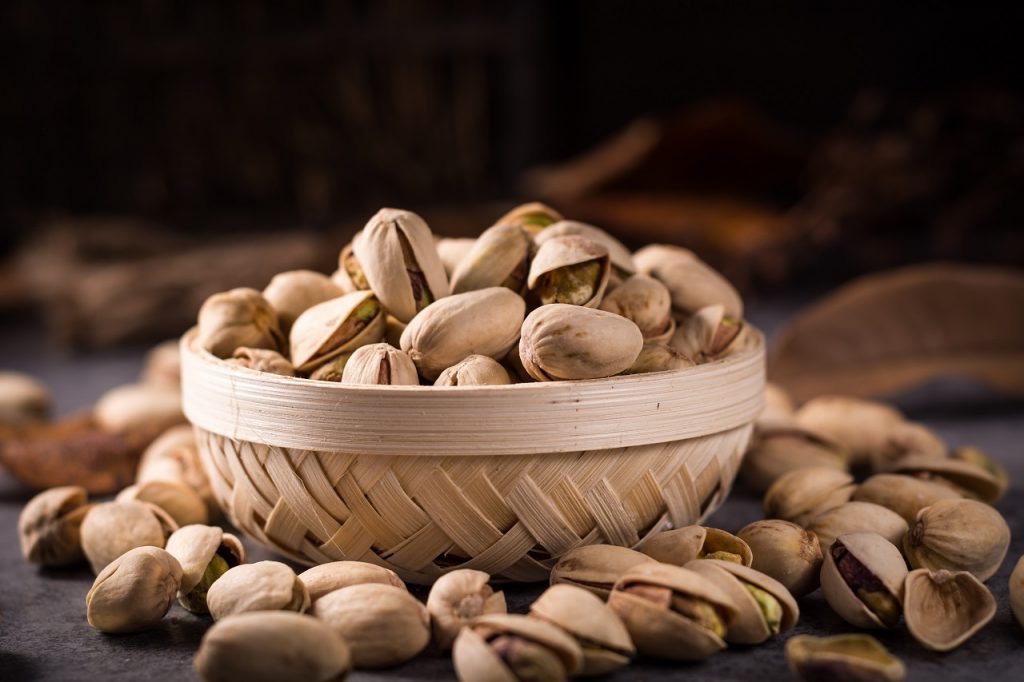
Pistachios - Your Powerful Nutritional Punch!Pistachios are edible seeds of the pistachio tree, member of the cashew family. They are nutrient-packed nuts that can be enjoyed both as a healthy snack or as part of a delicious recipe. Available both in the shell (in-shell) or with their shell already removed (shelled), they’re typically sold roasted and salted, although unsalted options are available, as well as some flavoured varieties, too.

How Does It Give a Powerful Nutritional Punch?

  • Loaded with Vitamins and Minerals: Pistachios are a rich source of protein, dietary fibre, several minerals such as phosphorus, potassium, calcium, iron, magnesium, manganese, zinc, copper, sodium and selenium. It is also a good source of vitamins like vitamin A, K, C, E, B6, B1, B2, B3, B9, and B5.
  • Good Source of Antioxidants: They contain more antioxidants than most nuts and seeds, second only to walnuts and pecans. You can literally “see” the nutrients through the various colours in pistachio. The green and yellow colour of the actual nut comes from lutein and zeaxanthin. The thin purple skin surrounding the nut is loaded with anthocyanins, the same type of antioxidants found in grapes and cranberries.
  • Lowest in Fat: A serving of pistachios has 13 grams of fat, of which about 1.7 grams are saturated, 3.5 grams are polyunsaturated, and 7 grams are monounsaturated fats. Compared to most other tree nuts, pistachios are one of the lowest in fat.
  • Cholesterol-Free: Pistachios have the highest phytosterol content (214 milligrams per 100 grams) amongst nuts. Phytosterols come from plants and because they have a similar structure to cholesterol, they compete with cholesterol for absorption by the body, ultimately limiting the amount of cholesterol absorbed.
  • Compared to other tree nuts, pistachios have a higher essential amino acid ratio and the highest percentage of branched-chain amino acids. Pistachios are a great plant-based protein option for everyone, but especially those eating a vegetarian or vegan diet.

Health Benefits of Eating Pistachios

  1. Heart Health: A number of studies have shown that pistachios significantly reduced total cholesterol and the “bad” LDL-cholesterol levels while increasing the “good” HDL-cholesterol level. They may increase antioxidant concentrations, which is linked to improved dilation of blood vessels as a result of a reduction in inflammation.
  2. Weight Management: It may seem counterintuitive but eating pistachios—a high-fat, calorie-dense food—has actually been associated with weight management. Pistachios are rich in fiber and protein, both of which increase satiety by helping you feel full and eat less .
  3. Gut Health: Pistachios are high in fiber, which moves through our digestive system mostly undigested. But some types of fiber are digested by the good bacteria in your gut, acting as prebiotics. Gut bacteria then ferment the fiber and convert it into inflammation-fighting short-chain fatty acids, & also results in decreased the number of lactic acid bacteria. It also increases the number of butyrate-producing bacteria in the gut more than eating almonds does.
  4. Blood Sugar Control: Despite having a higher carb content than most nuts, pistachios have a low glycemic index, meaning they don’t cause a large spike in your blood sugar. Also rich in fiber and healthy fats, antioxidants, magnesium, carotenoids and phenolic compounds, which are beneficial for blood sugar control.
  5. Good For Eye Health: Pistachios are rich in antioxidants lutein and zeaxanthin, which are essential for eye health, as they reduce the chances of developing eye conditions, including age-related macular degeneration (AMD) and cataracts.
  6. Prevents Cellular Damage: As our cells grow older, they accumulate oxidative damage due to the presence of free radicals, which can cause considerable damage to cells. Pistachios, being rich in antioxidants, including lutein, beta-carotene, and gamma-tocopherol, has oxidative damage-fighting benefits which also play a key role in reducing the risk of disease, such as cancer.

How to Include Pistachios in Your Diet?

One of the simplest ways to enjoy pistachios is as a snack on their own. You can also throw chopped pistachios on your yogurt or morning oatmeal or use them as a crunchy topping for your salads. Pair pistachios with a piece of fruit for your afternoon snack, their fiber, fat and protein will keep you satisfied.

Takeaway

Pistachios are very nutritious. Regularly eating pistachios may be a good way to improve health and wellbeing. But stick to plain, unsalted pistachio nuts in their shells and avoid eating more than 30gm a day. Before you begin eating them, do consult with your doctor, nutritionist or dietitian.

For more on nutrition and healthy eating, check out Healthy Reads or speak to an expert by subscribing for GOQii’s Personalised Health Coaching here.

#BeTheForce 

December 6, 2024 By Dr. Viral Thakkar 3 Comments

MIGRAINE – AN EXPLOSION IN YOUR HEAD

brain-headache-migraine“I don’t want that explosion in my head that my father used to have,” said Ramesh N., an 18-year-old engineering student, during his visit to my clinic. He was distressed by a severe headache that had lasted 5-6 hours, especially with exams around the corner. The throbbing pain made it impossible for him to concentrate.



Headaches are a common reason for visits to physicians, with migraine being the second most common cause of headache globally. Despite its prevalence, migraine often goes unnoticed or misunderstood, especially in childhood and adolescence. Many parents and teachers dismiss it as an excuse to avoid studying or working.

Migraine is a benign, episodic syndrome characterized by headache and accompanying neurological symptoms. A positive family history of migraines is common in those affected.

What Is Migraine?

A migraine attack can last anywhere from 4 to 72 hours. While predicting when an attack will occur is challenging, the pattern of each attack can often be identified. Understanding the stages of a migraine and sharing a detailed history with a doctor can help in diagnosis and treatment, reducing the intensity or frequency of attacks.

Stages of Migraine

Prodormal Phase: This phase includes subtle physical or mental changes like mood swings, thirst, or tiredness. It may last for minutes or hours.

Aura Phase: Neurological symptoms appear during this phase, such as:

    • Visual disturbances (dark spots, colored spots, or zigzag lines)
    • Numbness or weakness
    • Dizziness or vertigo
    • Speech changes or confusion

Attack Phase: The headache begins, often behind the eyes. It is typically severe, throbbing, and unilateral but can sometimes be bilateral. This stage is often accompanied by nausea, vomiting, and sensitivity to light (photophobia) or sound (phonophobia).

Postdromal Phase: After the headache subsides, many experience lingering effects like fatigue or a “hangover” feeling, which can take hours or even days to resolve.

Diagnosing Migraine: A simplified diagnostic criterion includes repeated headaches lasting 4-72 hours with no underlying physical or neurological causes. Migraine symptoms include:

  • Unilateral pain
  • Throbbing sensation
  • Worsening with movement
  • Nausea or vomiting
  • Sensitivity to light and sound

While the exact timing of an episode is unpredictable, lifestyle changes and triggers management can reduce the frequency or severity of attacks.

  1. Identifying and avoiding triggers is one of the most important ways to avoid an attack.
  2. Research shows that foods like nuts, cheese, citrus foods, chocolates, hot and spicy food, fermented, sour foods, alcohol and smoking can trigger a migraine attack.
  3. Untimely meals, irregular sleeping patterns which result in lack of sleep, excessive intake of processed or junk food, overthinking, extended exposure to laptops, mobile phones can all be responsible for triggering an attack.
  4. Increased exposure to direct sunlight is known to cause an attack. If sun exposure cannot be decreased or stopped, one must wear glasses and have to protect oneself. One must also be aware of strong odours and changes in weather.
  5. Being constantly acidic or constipated will always make you prone for repeated attacks.

A lifestyle change with proper sleeping hours, adequate water and the right food intake along with minimum 30minutes exercise will cause wonders in the management of Migraine.

  1. Certain yoga postures are extremely beneficial for migraine. Some of these are moon salutation, boat pose, bow pose (dhanurasan), spinal twist (matsyendrassana), tree pose and standing on toes.
  2. Meditation puts your mind at ease and reduces stress levels which brings a balance in one’s being.
  3. Pranayam (breathing exercises) has a long term impact in maintaining good health.
  4. 5 drops of brahmi ghee in each nostrils sometimes helps relieve the pain.
  5. During an attack it is best that you confine yourself to a closed dark room to avoid any loud sounds and excess light.
  6. You can also try tying a scarf or dupatta around your head if the pain is too much. Place some eye cubes wrapped in a towel on your eyes.
  7. Medicines are available to halt the progression of aura to a full-blown attack or to manage pain during the headache phase. However, always seek a doctor’s advice before taking any medication.

Migraines often improve over time, with many experiencing reduced severity and frequency after early adulthood. Adopting a healthy lifestyle can bring long-term benefits, making migraine episodes less frequent and more manageable.

If this article helped you understand migraines better, share your thoughts in the comments below! For further information or guidance, reach out to our certified experts by subscribing to GOQii’s Personalised Health Coaching here.

#BeTheForce

  • « Previous Page
  • 1
  • …
  • 36
  • 37
  • 38
  • 39
  • 40
  • …
  • 199
  • Next Page »

Search

Recent Posts

  • Best Foods To Alleviate Irritable Bowel Syndrome
  • ALL ABOUT VERTIGO!
  • PCOS and Anxiety: Discover Relief with the 54321 Technique
  • Navigating the Maze of Nutrition: Finding Clarity Amidst Confusion
  • Get children active and keep them healthy

Stay Updated

Archives

  • December 2025 (6)
  • November 2025 (15)
  • October 2025 (20)
  • September 2025 (6)
  • August 2025 (6)
  • July 2025 (12)
  • June 2025 (18)
  • May 2025 (16)
  • April 2025 (23)
  • March 2025 (23)
  • February 2025 (22)
  • January 2025 (26)
  • December 2024 (26)
  • November 2024 (25)
  • October 2024 (22)
  • September 2024 (24)
  • August 2024 (31)
  • July 2024 (21)
  • June 2024 (26)
  • May 2024 (31)
  • April 2024 (27)
  • March 2024 (29)
  • February 2024 (26)
  • January 2024 (25)
  • December 2023 (15)
  • November 2023 (11)
  • October 2023 (22)
  • September 2023 (22)
  • August 2023 (20)
  • July 2023 (22)
  • June 2023 (24)
  • May 2023 (24)
  • April 2023 (24)
  • March 2023 (23)
  • February 2023 (20)
  • January 2023 (16)
  • December 2022 (12)
  • November 2022 (15)
  • October 2022 (15)
  • September 2022 (12)
  • August 2022 (10)
  • July 2022 (17)
  • June 2022 (11)
  • May 2022 (10)
  • April 2022 (6)
  • March 2022 (6)
  • February 2022 (13)
  • January 2022 (12)
  • December 2021 (7)
  • November 2021 (3)
  • October 2021 (6)
  • September 2021 (3)
  • August 2021 (8)
  • July 2021 (7)
  • June 2021 (15)
  • May 2021 (16)
  • April 2021 (10)
  • March 2021 (7)
  • February 2021 (4)
  • January 2021 (4)
  • December 2020 (3)
  • November 2020 (4)
  • October 2020 (10)
  • September 2020 (3)
  • August 2020 (3)
  • July 2020 (2)
  • June 2020 (4)
  • May 2020 (10)
  • April 2020 (12)
  • March 2020 (10)
  • February 2020 (4)
  • January 2020 (4)
  • December 2019 (3)
  • November 2019 (7)
  • October 2019 (5)
  • September 2019 (4)
  • August 2019 (9)
  • July 2019 (9)
  • June 2019 (11)
  • May 2019 (4)
  • April 2019 (9)
  • March 2019 (8)
  • February 2019 (9)
  • January 2019 (8)
  • December 2018 (9)
  • November 2018 (3)
  • October 2018 (3)
  • September 2018 (5)
  • August 2018 (10)
  • July 2018 (6)
  • June 2018 (13)
  • May 2018 (8)
  • April 2018 (18)
  • March 2018 (9)
  • February 2018 (8)
  • January 2018 (15)
  • December 2017 (12)
  • November 2017 (19)
  • October 2017 (13)
  • September 2017 (15)
  • August 2017 (4)
  • July 2017 (8)
  • June 2017 (7)
  • May 2017 (6)
  • April 2017 (8)
  • March 2017 (6)
  • February 2017 (7)
  • January 2017 (9)
  • December 2016 (10)
  • November 2016 (7)
  • October 2016 (7)
  • September 2016 (7)
  • August 2016 (11)
  • July 2016 (9)
  • June 2016 (9)
  • May 2016 (12)
  • April 2016 (17)
  • March 2016 (17)
  • February 2016 (8)
  • January 2016 (6)
  • December 2015 (2)
  • November 2015 (9)
  • October 2015 (7)
  • September 2015 (9)
  • August 2015 (11)
  • July 2015 (9)
  • June 2015 (12)
  • May 2015 (9)
  • April 2015 (13)
  • March 2015 (8)
  • February 2015 (5)
  • January 2015 (12)
  • December 2014 (14)
  • November 2014 (11)
  • October 2014 (6)
  • September 2014 (13)
  • August 2014 (12)
  • July 2014 (6)
  • June 2014 (2)
  • May 2014 (7)
  • April 2014 (5)

From “Laddu Nawin” to Fit and Fierce: How a 25-Year-Old Insurance Advisor Shed 20 Kilos and Gained His Life Back

When 25-year-old Nawin Yadav from Hyderabad walked into his office every morning, he carried more than just his files and policy papers. He had the weight of fatigue, sluggish energy, and an ever-growing belly that was becoming the butt of jokes. “People … [Read More...]

“I’ve Challenged Myself to Live 100 Years” – The Story of Chandubhai Savani’s Second Chance at Life

At 67, most people start slowing down. Not Chandubhai Savani. A resident of Surat, Chandubhai, thought life was on track. “My life was going well till I had my bypass surgery,” he says. That surgery, back in 2021, was a wake-up call.  Medication was routine, but exercise wasn’t. His diet? What he calls ‘normal.’ “I […]

From Shimla’s Slopes to Chandigarh’s Sidewalks: Surinder Kaur Bhalla’s Journey from Chaos to Control

Some journeys start with a plan. Others begin with a stumble literally. Surinder Bhalla, a government professional, born and raised in the scenic hill town of Shimla, had always lived a life of movement. “In Shimla, you walked everywhere,” she reflects. “Walking was never an exercise. It was just life.” But after shifting to Chandigarh, […]

Ananda Mukherjee Health Story

From Terminal Illness To Complete Wellness! Ananda Mukherjee Health Story

As we observe World Cancer Day under the powerful theme ‘United by Unique’ (2025-2027)**, we are reminded that every individual’s journey with cancer is distinct, yet united by shared resilience, hope, and the collective fight against this disease. This theme places people at the centre of care and their stories at the heart of the […]

  • HOME
  • HEALTHY LIVING
  • FITNESS
  • HEALTHY RECIPES
  • USER STORIES
  • KARMA
  • BUY GOQii

Copyright ©2016 GOQii