GOQii

Blog

  • HOME
  • HEALTHY LIVING
  • FITNESS
  • HEALTHY RECIPES
  • USER STORIES
  • KARMA
  • BUY GOQii

Search Results for: disease

November 9, 2017 By GOQii Editor Leave a Comment

Save Your Lungs!!!

effects of smog

Recently, a sporty 6-year-old girl in Delhi complaint to her mother saying, “Mom, I feel no breath”. Now, this is alarming and also sad for the people in the capital city who are confined inside the four walls of their home. People are being warned from stepping out for workouts, cycling and runs.

A new study by the most reputed medical journal-‘Lancet’ in 2015 indicated that India topped the list of countries with pollution-related deaths, with 2.51 million people dying prematurely in the country that year due to diseases linked to air, water and other forms of pollution. India also topped the list of deaths linked to polluted air (1.81 million) and water (0.64 million). One-quarter of the world’s population now breathes unsafe air, according to the 2014 Environmental Performance Index (EPI).

Is this a new phenomenon for the Delhi-ites? No, the situation hasn’t changed in the last two years. It has only gotten worse from what it was, people claim. Delhi is indeed declared the most pollutant city in the world by the World Health Organisation and the people of Delhi are facing a public health crisis. The relationship between filthy air and poor health is frightening. Delhi’s bad air is already causing a spike in the people with asthma and reduced lung function. There is evidence of a spectrum of health problems, ranging from allergies and respiratory conditions, malformations, growth restrictions, all of which is a result of pollution.

Given this scenario, how do you save your lungs?

Lung Detox is something that Luke Coutinho, M.D., and master coach at GOQii recommend.

Particulates. Over time small particulate matter might damage your lungs permanently, making breathing difficult and forcing your heart to work harder.

Lung Detox Plan

-Previous night – soak 1 tbsp fenugreek (Methi) seeds in half cup water

-Wake up to 250ml warm water with lemon and a dash of cayenne pepper

-Drink the fenugreek water and chew on the seeds.
-10 mins later – 2 cloves of garlic crushed and consume with 1 tbsp raw honey or Manuka honey
Steam Time
-Boil some water, put into a large bowl, add 5-10 drops of pure eucalyptus oil or 1 drop peppermint oil, cover your head with a towel and do steam inhalation for 5 mins. Gentle deep inhalations and slow exhalations.
-Breakfast as normal, but add 300 ml fresh carrot juice with 1 tsp pure cold pressed coconut oil or extra virgin olive oil.
-Magic Lung breathing exercise (check method below)
-Post breathing exercise prepare a litre of the following concoction and have one cup warm.
Magic Tea –

  • 1 inch piece ginger /1 tsp dried ginger powder, cinnamon stick, ½ tsp basil/tulsi (fresh/dry), 1 tsp oregano dry (or fresh leaves), 3 peppercorns, 2 crushed elaichi, (optional , 1 -2 cloves crushed garlic), 1/4th tsp fennel seeds, pinch of ajwain, 1/4th tsp jeera (cumin)
  • Boil for 10 mins and simmer, strain and sip warm ( can add pure honey or jaggery to sweeten)

Lunch

-30 mins post lunch – 250 ml lemon water with a dash of cayenne pepper
-2 hours later – 300 ml fresh carrot juice with 1 tsp pure cold pressed coconut oil or extra virgin olive oil plus an evening snack
-30 mins later: Magic breathing exercise followed by a cup of lung tea concoction.
-Light walk or yoga
-30 mins before dinner: 250 ml lemon water with cayenne pepper
-Dinner plus 300 ml carrot juice as above

-Post dinner: 30 mins – one more cup of lung tea
-1 hour before bed – steam with 5-10 drops of eucalyptus oil for 5 mins
-Castor oil pack or rub (details below) for 30 mins

-Before bed – magic lung breathing exercise, meditate, sleep

 Magic lung breathing cleanse

Take a standing position. Keep your arms at your sides and your feet slightly apart. Relax.

  1. Take a few deep breaths and exhale through the nose.
    3. Now breathe in through your nose and exhale slowly through your mouth until you cannot exhale any more. But do not stop here, because there is still air remaining in your lungs.
    Some of the air remains in the lungs and is not replaced as we breathe. Now, force your diaphragm to exhale all the air from your lungs with wheezing. Several times exhale through the mouth with a “ho, ho, ho ho, ”

Until you feel there is no more air in the lungs. At this point, you will feel you have pulled in your belly toward the spine.

Through the nose, slowly inhale fresh, clean air in your empty lungs. Fill your lungs with air completely, and then hold your breath for 6 seconds, counting them slowly.

At this point, the oxygen has filled your lungs.

Again exhale through your mouth until there is no air left in your lungs and repeat the “ha…ha…” to expel the stale air out of the lungs.

Repeat the whole procedure as many times as you like. Besides purifying the lungs, this exercise has another benefit: your stomach will eventually become strong and toned skin will look radiant with a glow as you have helped remove excess carbon dioxide.

Here is small video (https://www.youtube.com/watch?v=oTbbua0iOSU&t=) by Luke Coutinho M.D,  where he explains all about what lungs are and how they function and finally how can we detox our lungs and keep it clean.

A timely video, when people across the country are suffering from air pollution around them.


November 5, 2017 By TAARIKA ARYA Leave a Comment

Did you know you can ‘drink’ your Vegetables’?

veggies

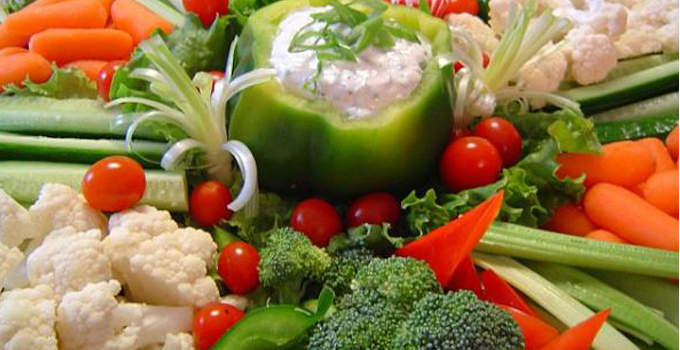
Do those leafy greens freak you out? Does eating 1 large cucumber, a bowl of spinach, 2 apples,2 carrots in one sitting seem like MISSION IMPOSSIBLE to you?  Hold on. Thanks to juicing, all of this can fit into one glass which can be gulped in less than 10 seconds. That’s not it; you are free to make it the way you want it to suit your palet. You can feel free to add any vegetable (carrot, tomato, cucumber, beetroot, spinach, bottle gourd, etc), fruit for flavour and sweetness (apple, pomegranate, orange, berries, papaya, melons and banana) and a few add ons like flaxseeds, chia seeds, mint, coriander, ginger, lemon juice, gooseberry.

Drinking just one freshly made vegetable juice each day is a reliable way of infusing your body with a wide variety of vitamins and minerals that can protect your body against pre-mature ageing and diseases. It’s the best bet for people who often tend to skip their breakfast due to a busy morning schedule.

It is a myth that the no.1 reason for juicing vegetable is weight loss. It’s just that juicing makes us so good that the weight loss is an added bonus! A major benefit of juicing regularly is that we stop craving for junk foods. Our body gets into the natural habit of declining processed sugar and opting for fruits/raw vegetables. We begin to crave for a glass of juice instead of a cup of joe!

Exploited in the right amount, juicing has many benefits on offer:

  1. Absorb all the nutrients – Cooking, frying and boiling the ingredients many-a-times leads to the destruction of a majority of the vital anti-oxidants and amino acids. Juicing helps prevent this loss and fortifies your dietary intake with a well rounded ingestion of all necessary nutrients.
  1. Eat as many vegetables that you have ever imagined – Let’s face it, on any regular day, we wouldn’t even dream of eating a bowl of boiled and sautéed spinach or broccoli; no matter how nutritious it’ll prove to be. But now, all we got to do is throw together all of the infamous leafy veggies into the blender, add in the juice of half a lemon for zing or an apple for sweetness, and we won’t even recognize the ‘rabbit food’ anymore.
  1. Make sure we don’t waste the fibre – After we have extracted the juice from the blender, don’t simply throw away the pulp. We can incorporate this leftover fiber into muffins, soups and gravies. Juicing does increase our anti-oxidant intake, but we lose out on natural fibers which aid digestion.  A completely juice-based diet will do more harm than good. It is meant to supplement our nutrition, not hamper it.
  1. Drink your juice right away – It is a very bad idea to juice large quantities at once and store it for consequent use. Under highly monitored conditions, vegetable juice can stay fresh for a maximum of 24 hours due to its unpasteurized nature. After this time span, the nutritional value declines steadily and the taste will also suffer. It is best consumed immediately.

Few things to keep in mind:

1.Make sure that we’ve removed all dirt or even bugs that may be hiding in the vegetables, particularly in the heads of broccoli, leaves of spinach or lettuce.

2.The key to making healthy vegetable juices is to make green vegetables the bulk of every serving. Green vegetables won’t spike your blood sugar and insulin level like fruits and sweet vegetables like carrots and red beets will. They can be healthy additions to our drinks, and they’ll definitely add sweetness and flavour.

3.In regards to the machinery required, our usual blender should do the trick just fine. However, if one is serious about juicing and wants to extract the best out of the ingredients – it would be beneficial to invest in a masticating Cold Press. The press slowly crushes the fruit or vegetable and prevents the application of heat as is the case in blades and blenders. Thus, ending up with healthier and highly-enriched juices, with preserved colour and nutrients. They are similar to the cold pressed juices available in the market.

A guide to build a perfect veggie juice:

Step A : Choose a base :

Water, coconut water, green tea, almond milk

Step B : Choose your veggies:

Spinach, broccoli, lettuce, celery, cucumber, carrots, beetroot

Step C : Choose a fruit :

Apple, grapes, melon, papaya, banana, peaches, kiwi, pineapple, pear

Step D : Optional add-ins :

Flaxseeds, chia seeds, ginger, gooseberry, lemon juice, honey, dates, almonds, nut butters,

Cinnamon, coconut oil, avocado, ice cubes.

Step E :

Blend and enjoy!

These is some serious life-sustaining stuff. So drink with gratitude and enjoy knowing that you’re taking great care of yourself.

October 5, 2017 By Shimpli Patil 8 Comments

Mind It: Eat slowly, do not gobble down

mindful eating

I had just about done with my daily routine of a brisk walk in a park. And, I hear some noises- what is it that I hear…it was my stomach growling. Sending me hunger cues and reminding me that I should be eating something. And, yes I was so hungry that I could probably eat a horse.

I quickly walked up to the nearest café to grab some snacks so I could calm down my growling stomach. While I was awaiting my order, I started to look around the café. One of the best things to while you are alone in a café is to observe others sitting there.  What do I see?

I see this young man eating at breakneck speed. Probably he was in a hurry to just grab some food and rush out to work. While he was eating a break neck speed he was also fidgeting with his phone. Ain’t we all good at multitasking of this nature? As he was eating he also managed to engage himself in few calls. If he could do that to me it came across as he wasn’t in such a hurry as it seemed! Then I thought to myself why would somebody be eating at such a speed? Probably, just a habit I thought to myself!

This is true though. There are many people whom I know have developed these fast eating habits. They are most often in a hurry to get over and done with their food to get away from the table. Most often one develops these habits during childhood and it continues through your adulthood.

But, let me tell you that gobbling down the food quickly without realizing what just went in, does no good to your body. In fact, eating too fast could nearly double your risk of being overweight or obese. A study published in the Journal of the American Dietetic Association shows that women aged 40-50 years who eat the quickest are more likely to be obese than slow eaters.

Once you start eating, it takes about 20 minutes for the “stop eating” signal to reach your brain. Fast eating overrides the mechanism of stimulating the satiety center in the brain. Thus, if you eat too quickly or say within 20 minutes, you tend to overfill your stomach and overeat, paving way for overweight and obesity and other related disorders.

Rather than thinking about food in terms of number of calories and nutrients, it would be more beneficial if you eat it mindfully. Eating slowly, chewing the food thoroughly, and savoring every bite of it are some important aspects of Mindful eating which contribute to your health in several ways.

Digestion: chewing well promotes the release of salivary enzymes in the mouth which in turn start off the digestion process, thus making your further digestion smoother and simple. Hence it is said that slower you eat, the faster and more efficiently you metabolize the food.

Portion control leading to weight control: Portion control is easily achieved when you slowdown your pace of eating. When you eat slowly you become aware of when you stomach gets full and you also know how much to serve yourself and when to stop. Portion size and eating speed can be well explained through the famous ‘French Paradox’ which says that despite high intake of calorie rich and fatty foods in France as compared to the US, the incidence of heart disease  and overweight is relatively low in France. It is well documented fact that the French eat much slower than the Americans thus ending up taking smaller portions. Sensible eating therefore works miraculously for the weight-watchers.

Taste and Enjoying: Eating sensibly also involves relishing your food thoroughly by feeling the flavour on your palate. Sensible eating lets you experience the textures and the aroma of the food overall, making it a wonderful experience focused more on the impression and less on the health effects of eating.

In an age which is clouded by distractions, sensible or mindful eating gets difficult for many. It requires a conscious effort on an individual’s part to make sure that he or she is eating in an environment which is less distractive. To enable yourself eat mindfully, ensure that you are away from the television, mobile phones and other devices so that the focus is completely drawn towards eating. You can have some soft music playing in the background to make the eating experience more delightful.

When you eat, JUST EAT! Be mindful and Stay Healthy.

September 28, 2017 By Anusha Subramanian Leave a Comment

Know your ‘Heart’ and its risks

Know your heart

Mahesh Agrawal was the happiest man as he watched his only daughter walk down the stairs in her bright red bridal dress. His eyes were moist. Father and daughter posed happily for photographs, laughed and joked. Amidst all the happiness and laughter, Mr Agrawal suddenly realized a strange discomfort in his chest. It was more likely an excruciating pain and he started to profusely sweat. The pain had now moved to his neck and he developed shortness of breath almost feeling choked. He held his hand tightly on his chest and slowly settled himself on a chair without letting anyone know.

At this point in time, he remembered his father had a similar heart attack. But, he did not want that scene to cloud the happy scene of watching his daughter getting married. As he watched his daughter get married he bid her a silent goodbye and passed away peacefully with a smile on his face. Unfortunately, it was too late before a doctor was called in.

When everybody got to know what had happened there was a sudden atmosphere of gloom. Nobody was aware what had happened. Today, on World heart Day, let’s try and understand more about our hearts and through this story we could exactly understand what happened to Mr Agrawal and why?

On doctor’s examination, the doctor revealed that Mr Agrawal had suffered a heart attack and that was because he had a Coronary Heart Disease (CHD). A heart attack occurs if the flow of oxygen-rich blood to a section of heart muscle is cut off. If blood flow isn’t restored quickly, the section of heart muscle begins to die. Without quick treatment, a heart attack can lead to serious health problems or death. CHD is the most common of all heart diseases. In the United States, CHD is the #1 cause of death for both men and women. India is not far behind. According to an article by Dr Arvind Kohli, a Cardiac Surgeon, there has been a dramatic rise in heart disease in India.

India will soon be the largest burden of heart disease globally. In India, out of the estimated population of more than 1.27 billion dispersed across various geographical regions, about 45 million people suffer from coronary artery disease. According to current estimates, India will soon have the highest number of cases of cardiovascular disease in the world. It is estimated to account for 35.9 percent deaths by the year 2030, said the article.

Over time, CHD can weaken the heart muscle and lead to heart failure and arrhythmias (ah-RITH-me-ahs). Heart failure is a condition in which your heart can’t pump enough blood to meet your body’s needs. Arrhythmias are problems with the rate or rhythm of the heartbeat.

Knowing the warning symptoms of a heart attack and how to take action can save your life or someone else’s say, doctors. In many cases patients are unaware of the risk factors and that this could be a problem that has developed over the years due to pre-existing heart disease. Several factors such as genetic, metabolic, early-life, conventional and non-conventional risk factors are suspected to cause high CHD morbidity and mortality rates among Indians. Knowing who is at risk helps a great deal. Men have a greater risk of heart attack than women do, and men have heart attacks earlier in life than women. However, beginning at Age 70, the risk is equal for men and women.

Many are of the opinion that heart disease is a lifestyle disease that occurs because one is not maintaining a proper healthy lifestyle. But, you are mistaken. Heart disease could also be due to family history. Here is where the nature vs nurture concept comes in. Did you develop a heart disease over the years, did you already have it and it went undiagnosed or did someone give it to you. In fact, you have an increased risk of developing heart disease if you have a parent with a history of heart disease, especially if they were diagnosed before Age 50. Ask your doctor when it’s appropriate for you to start screenings for heart disease so it can be detected and treated early.

The other common risk factors could include cigarette smoking and exposure to tobacco smoke, high blood cholesterol, and high triglycerides – especially high LDL (“bad”) cholesterol over 100 mg/dL and low HDL (“good”) cholesterol under 40 mg/dL. Some patients who have existing heart or blood vessel disease, and other patients who have a very high risk, should aim for an LDL level less than 70 mg/dL. Your doctor can provide specific guidelines.

The risk of heart disease is also highest among the urban population. A 2013 study concluded that over 70 percent of the Urban Indian population is at the risk of being diagnosed with heart disease. This is mainly due to unhealthy eating habits, lack of physical activity and stress.

High blood pressure (140/90 mmHg or higher), uncontrolled diabetes (HbA1c >7.0), physical inactivity and being overweight (body mass index [BMI] 25–29 kg/m2) or being obese (BMI higher than 30 kg/m2) are other risks for heart diseases. The population of diabetics in India is about 50.8 million, making India the diabetic capital of the world. The prevalence is higher in urban areas (6-8 percent) compared to rural areas (2-3 percent), according to statics provided in Dr Kohli’s article. The increase in hypertension prevalence has been steady over the last 50 years, more in urban than in rural areas. Hypertension is about 25-30 percent in urban and 10-15 percent in rural individuals.

You might be surprised but uncontrolled stress and anger could also lead to CHD. Staying calm helps. Indians like Americans have a higher degree of obesity due to bad food habits. Diet high in saturated fat and cholesterol apart from drinking too much alcohol are also a major risk factor for CHD. The more risk factors you have, the greater your risk of developing coronary artery disease.

Hence knowing the symptoms and risk factors is very important. The most common symptom of CHD is angina (also called angina pectoris). Angina is often referred to as chest pain. It is also described as chest discomfort, heaviness, tightness, pressure, aching, burning, numbness, fullness, or squeezing. It can be mistaken for indigestion or heartburn. Angina is usually felt in the chest, but may also be felt in the left shoulder, arms, neck, back or jaw. All of these symptoms were witnessed by Mr Agrawal.

Other symptoms that may occur with coronary artery disease include:

  • Shortness of breath
  • Palpitations (irregular heartbeats, skipped beats or a “flip-flop” feeling in your chest)
  • A faster heartbeat
  • Dizziness
  • Nausea
  • Extreme weakness
  • Sweating

Cardiac surgeons opine that the treatment for CHD involves reducing your risk factors. Change your lifestyle. Get active, exercise and eat right and sleep well. If lifestyle changes aren’t enough to control your heart disease, taking medications as prescribed to treat certain risk factors, such as high cholesterol or high blood pressure helps. Possibly undergoing invasive and/or surgical procedures, and seeing your doctor for regular visits is also good. Treating CHD is important to reduce your risk of a heart attack or stroke. If the problem is detected early lifestyle changes, medicines, and medical procedures can help prevent or treat CHD. These treatments may reduce the risk of related health problems.

  • « Previous Page
  • 1
  • …
  • 107
  • 108
  • 109
  • 110
  • 111
  • …
  • 131
  • Next Page »

Search

Recent Posts

  • 4 Reasons Why Affirmations Are Not Working For You
  • The Social Side of GLP-1: Navigating “Food Culture” and Peer Pressure
  • Leaky Gut: Symptoms and Causes
  • Muscle Is Your Insurance Policy: Why Strength Predicts Lifespan More Than Cardio
  • The Fiber Gap: Managing Digestion on GLP-1 Therapy

Stay Updated

Archives

  • March 2026 (1)
  • February 2026 (14)
  • January 2026 (14)
  • December 2025 (19)
  • November 2025 (15)
  • October 2025 (20)
  • September 2025 (6)
  • August 2025 (6)
  • July 2025 (12)
  • June 2025 (18)
  • May 2025 (16)
  • April 2025 (22)
  • March 2025 (23)
  • February 2025 (22)
  • January 2025 (25)
  • December 2024 (22)
  • November 2024 (23)
  • October 2024 (21)
  • September 2024 (24)
  • August 2024 (30)
  • July 2024 (21)
  • June 2024 (26)
  • May 2024 (31)
  • April 2024 (27)
  • March 2024 (29)
  • February 2024 (25)
  • January 2024 (21)
  • December 2023 (15)
  • November 2023 (11)
  • October 2023 (19)
  • September 2023 (22)
  • August 2023 (18)
  • July 2023 (22)
  • June 2023 (24)
  • May 2023 (24)
  • April 2023 (23)
  • March 2023 (23)
  • February 2023 (19)
  • January 2023 (15)
  • December 2022 (11)
  • November 2022 (15)
  • October 2022 (15)
  • September 2022 (12)
  • August 2022 (10)
  • July 2022 (17)
  • June 2022 (11)
  • May 2022 (10)
  • April 2022 (6)
  • March 2022 (6)
  • February 2022 (13)
  • January 2022 (11)
  • December 2021 (7)
  • November 2021 (3)
  • October 2021 (6)
  • September 2021 (3)
  • August 2021 (8)
  • July 2021 (7)
  • June 2021 (15)
  • May 2021 (16)
  • April 2021 (10)
  • March 2021 (7)
  • February 2021 (4)
  • January 2021 (4)
  • December 2020 (3)
  • November 2020 (4)
  • October 2020 (10)
  • September 2020 (3)
  • August 2020 (3)
  • July 2020 (2)
  • June 2020 (4)
  • May 2020 (10)
  • April 2020 (12)
  • March 2020 (10)
  • February 2020 (4)
  • January 2020 (4)
  • December 2019 (3)
  • November 2019 (7)
  • October 2019 (5)
  • September 2019 (4)
  • August 2019 (9)
  • July 2019 (9)
  • June 2019 (11)
  • May 2019 (4)
  • April 2019 (8)
  • March 2019 (8)
  • February 2019 (9)
  • January 2019 (8)
  • December 2018 (9)
  • November 2018 (3)
  • October 2018 (3)
  • September 2018 (5)
  • August 2018 (10)
  • July 2018 (6)
  • June 2018 (13)
  • May 2018 (8)
  • April 2018 (18)
  • March 2018 (9)
  • February 2018 (8)
  • January 2018 (15)
  • December 2017 (12)
  • November 2017 (19)
  • October 2017 (13)
  • September 2017 (15)
  • August 2017 (4)
  • July 2017 (8)
  • June 2017 (7)
  • May 2017 (6)
  • April 2017 (8)
  • March 2017 (6)
  • February 2017 (7)
  • January 2017 (9)
  • December 2016 (10)
  • November 2016 (7)
  • October 2016 (7)
  • September 2016 (7)
  • August 2016 (11)
  • July 2016 (9)
  • June 2016 (9)
  • May 2016 (12)
  • April 2016 (17)
  • March 2016 (17)
  • February 2016 (8)
  • January 2016 (6)
  • December 2015 (2)
  • November 2015 (9)
  • October 2015 (7)
  • September 2015 (9)
  • August 2015 (11)
  • July 2015 (9)
  • June 2015 (12)
  • May 2015 (9)
  • April 2015 (13)
  • March 2015 (8)
  • February 2015 (5)
  • January 2015 (12)
  • December 2014 (14)
  • November 2014 (11)
  • October 2014 (6)
  • September 2014 (13)
  • August 2014 (12)
  • July 2014 (6)
  • June 2014 (2)
  • May 2014 (7)
  • April 2014 (5)

From “Laddu Nawin” to Fit and Fierce: How a 25-Year-Old Insurance Advisor Shed 20 Kilos and Gained His Life Back

When 25-year-old Nawin Yadav from Hyderabad walked into his office every morning, he carried more than just his files and policy papers. He had the weight of fatigue, sluggish energy, and an ever-growing belly that was becoming the butt of jokes. “People … [Read More...]

“I’ve Challenged Myself to Live 100 Years” – The Story of Chandubhai Savani’s Second Chance at Life

At 67, most people start slowing down. Not Chandubhai Savani. A resident of Surat, Chandubhai, thought life was on track. “My life was going well till I had my bypass surgery,” he says. That surgery, back in 2021, was a wake-up call.  Medication was routine, but exercise wasn’t. His diet? What he calls ‘normal.’ “I […]

From Shimla’s Slopes to Chandigarh’s Sidewalks: Surinder Kaur Bhalla’s Journey from Chaos to Control

Some journeys start with a plan. Others begin with a stumble literally. Surinder Bhalla, a government professional, born and raised in the scenic hill town of Shimla, had always lived a life of movement. “In Shimla, you walked everywhere,” she reflects. “Walking was never an exercise. It was just life.” But after shifting to Chandigarh, […]

Ananda Mukherjee Health Story

From Terminal Illness To Complete Wellness! Ananda Mukherjee Health Story

As we observe World Cancer Day under the powerful theme ‘United by Unique’ (2025-2027)**, we are reminded that every individual’s journey with cancer is distinct, yet united by shared resilience, hope, and the collective fight against this disease. This theme places people at the centre of care and their stories at the heart of the […]

  • HOME
  • HEALTHY LIVING
  • FITNESS
  • HEALTHY RECIPES
  • USER STORIES
  • KARMA
  • BUY GOQii

Copyright ©2016 GOQii