GOQii

Blog

  • HOME
  • HEALTHY LIVING
  • FITNESS
  • HEALTHY RECIPES
  • USER STORIES
  • KARMA
  • BUY GOQii

Search Results for: acidity

March 22, 2025 By Trupti Hingad 3 Comments

7 Tips To Help You Drink Water The Right Way

7 tips to help you drink water the right way World Water Day 2025 is a timely reminder of the value water holds in our lives—not just globally, but personally. While this year’s theme focuses on glacier preservation, we often overlook a key question: Are we drinking water in the best possible way for our health?

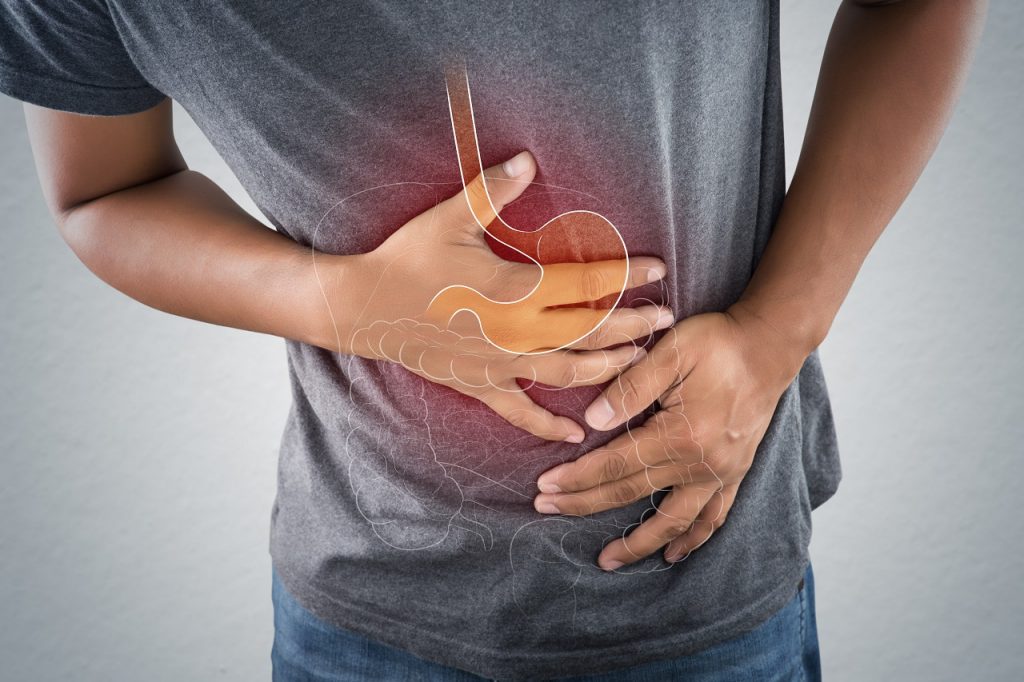
We all know hydration is important. But how you drink water matters just as much as how much you drink. Water is a vital life force—it fuels digestion, flushes out toxins, supports metabolism, and keeps every cell functioning. Yet, many of us are unaware that drinking water incorrectly can impact our health.

How To Drink Water The Right Way 

Let’s explore 7 essential tips to help you hydrate better, smarter, and more mindfully every day.

  1. Sit Down to Drink Water
    When you stand and drink water you upset the balance of fluids in the body and this may lead to more accumulation of fluids in the joints. When you sit and drink, your muscles and nervous system is relaxed and you absorb it nicely. Also, kidney pace of filtration is good when you sit and drink water
  2. Sip, Don’t Gulp Large Quantities
    Avoid drinking large amounts of water in one go. Gulping too much too quickly can block air intake into your lungs and put undue pressure on your heart and lungs. Instead, sip water slowly throughout the day—this helps your body absorb and utilise it more effectively.
  3. Avoid Ice-Cold Water
    Cold or chilled water may feel refreshing, but it disrupts digestion by cooling the internal fire needed to digest food properly. Cold water also reduces blood flow to various organs and can lead to issues like constipation. Try to drink room temperature or warm water instead—it aids digestion, supports metabolism, and even helps control cholesterol levels.
  4. Listen to Your Body’s Thirst Cues
    Your body is smart—it tells you when it’s low on water. Dark yellow urine, dry lips, dry tongue, and persistent fatigue are signs of dehydration. Clear or pale urine means you’re well-hydrated. Pay attention to these signs and hydrate accordingly.
  5. Start Your Day with Water
    Drinking a glass of water first thing in the morning helps flush out toxins and cleanses your digestive system. It supports smoother bowel movements and kickstarts your metabolism—setting a healthy tone for the rest of the day.
  6. Store Water the Right Way
    Traditionally, water stored in copper or silver vessels is believed to balance the body’s energies by positively charging the water. Copper is known for its antioxidant and antibacterial properties, while silver is believed to have a cooling effect on the digestive system.While copper and silver vessels might not be common everywhere, you can opt for glass or stainless steel bottles as safe and eco-friendly alternatives to plastic. These options are free from harmful chemicals like BPA and help maintain the water’s purity.
  7. Drinking Water Isn’t Just to Quench Thirst
    Water is essential for replenishing lost minerals and salts, especially after sweating or physical activity. It hydrates muscles and joints, supports digestion, maintains fluid balance, and prevents acidity. Make water a daily habit of recovery and rejuvenation, not just a thirst response.

Drinking water the right way is about more than just hitting your daily quota. By being mindful of how and when you drink water—and how you store it—you can improve digestion, boost energy, and support overall well-being.

Let this World Water Day inspire a renewed appreciation for water—not only as a global resource but as a vital part of our personal health.

💧 How do you ensure you stay hydrated daily? Share your tips in the comments below!

#BeTheForce

Disclaimer: The information provided in this blog is for general awareness and educational purposes only. It is not intended to replace professional medical advice, diagnosis, or treatment. Always consult a qualified healthcare provider for personalised medical guidance or concerns related to your health.

February 8, 2025 By Monika Raj Leave a Comment

Foods for Better Sleep: Natural Remedies for a Restful Night

foods for sleepHow many hours do you spend in bed, tossing and turning, unable to fall asleep? You close your eyes, but peaceful, quality sleep seems to evade you every time. Sound familiar? We’ve all been there. While factors like stress and lifestyle play a role, the solution might be simpler than you think—your diet. Let’s explore some foods that can help you achieve the restful sleep you’ve been dreaming of.

Why Food Matters for Sleep

What you eat can significantly impact your sleep quality. Certain foods contain nutrients that promote relaxation, regulate sleep hormones, and help you fall asleep faster. By incorporating these foods into your evening routine, you can create the perfect environment for a good night’s rest.

Top Foods For Better Sleep

  1. Warm Milk
    Warm milk in general, contains ingredients that are known to help people sleep. For instance, milk contains tryptophan – an amino acid that can help the human body produce serotonin – a brain chemical which can induce deeper and more restful sleep by creating melatonin. If you have sleep issues, some warm milk with a little bit of jaggery and turmeric 15-30 minutes before going to bed should do the trick.

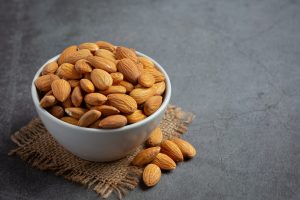
  2. AlmondsHealth Benefits Of AlmondsAlmonds contain high doses of melatonin, a hormone that helps regulate the sleeping and waking cycle. Around 5-6 whole almonds contain a good amount of magnesium and of calcium – two minerals that help promote muscle relaxation and sleep especially in people who lose sound sleep due to muscle tetany or leg pain. These can be consumed in the evening or even before bedtime. It’s great for people who sleep late as they can munch on these for a good night’s rest.

  3. Chamomile Tea:
    For years, chamomile tea has been used as a natural remedy to reduce inflammation, anxiety and treat insomnia as well. In fact, chamomile is commonly regarded as a mild tranquilizer or sleep inducer. Chamomile tea contains an antioxidant called apigenin, which may help initiate sleep. You can brew 1 tea bag/ fresh chamomile tea with hot water and drink it before bed or late evening.

  4. Walnuts
    Walnuts contain a few compounds that promote and regulate sleep, including melatonin and serotonin. Each serving of walnuts also contains other nutrients that can help induce sleep such as magnesium. You can munch them along with almonds for combined benefits late in the evening for snacks.  
Foods to Avoid Before Bed

While some foods can help you sleep, others can disrupt your rest. Avoid these before bedtime:

  • Caffeinated Beverages: Tea, coffee, and energy drinks can keep you awake and cause acidity.
  • Spicy or Heavy Meals: These can lead to indigestion and discomfort, making it harder to fall asleep.
  • Sugary Snacks: High sugar intake can cause energy spikes and crashes, disrupting your sleep cycle.

Achieving restful sleep doesn’t have to be complicated. By incorporating sleep-friendly foods like warm milk, almonds, chamomile tea, and walnuts into your evening routine, you can create the perfect environment for a good night’s rest. Remember, consistency is key—make these foods a regular part of your diet for long-term benefits.

Have you tried any of these foods for better sleep? Share your experiences in the comments below! For more tips on improving sleep and overall wellness, explore our Healthy Reads or consult a GOQii Coach for personalised health advice. Subscribe now to start your wellness journey!

#BeTheForce

February 7, 2025 By Neha Goyal 1 Comment

Is Olive Oil Suitable For Indian Cooking?

Olive OilWith newer superfoods making their mark on our plates, olive oil has gained a lot of popularity in India. Indians use oil in everything while searching for the healthiest alternative at the same time. As a result, the markets are flooded with brands and variants of olive oil. The most important question to ask here is: Does it fit in the Indian kitchen? Let’s find out by understanding what you are buying from the market because not all of them are created equally!

Different Types of Olive Oil 

There is no doubt that olive oil is healthy fat obtained by crushing olives using different methods. The catch is that the quality of olive oil sitting in your pantry is determined by the process of extracting the oil from the olives, the varieties, and how/whether they should be used in different cooking methods. Here’s a breakdown of the most common types:

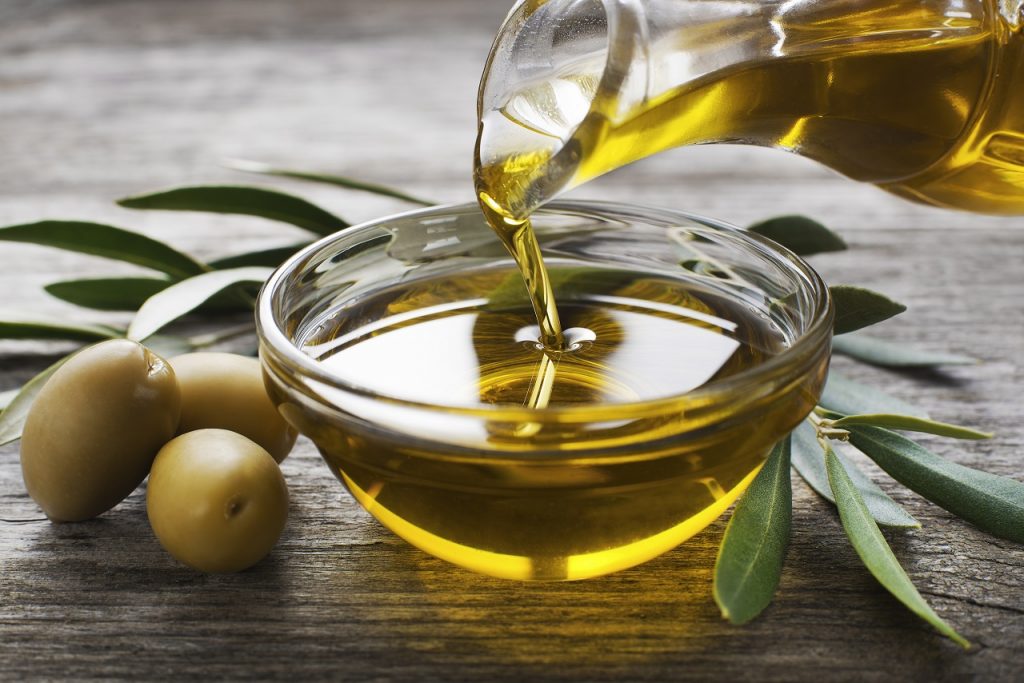
  1. Extra Virgin Olive Oil: This is the highest quality extracted from freshly squeezed juice from olives using stone, wood or steel rollers. It has a very strong flavor, aroma and contains no more than 0.8% acidity. No chemical solvent or industrial refining process is used while producing this variant. In fact, temperatures are kept below 75 degree Fahrenheit during the whole process. Even after packaging, it is mandatory to keep it away from heat and sunlight. So it is clear that to get benefits from this high grade oil, you should not heat it. You can drizzle it over your pasta, salad, soups or use it for making dips.

  2. Virgin Olive Oil: This is also an unrefined variety but slightly lower in quality. Containing 1.5% acidity, it is considerably a subpar option to extra virgin variant. Still, it has a good aroma and is suitable for low temperature sautéing and baking as you are trying to substitute butter or any other saturated fat.

  3. Refined Olive Oil: If you see a bottle with “pure olive oil”, “Lite olive oil” or simply “olive oil” in a supermarket, they are usually Refined olive oils (or are mixed with some other refined oils). They are prepared using olives that are in bad condition or rancid olive oil after treating them with heat and chemicals to remove any unpleasant flavors as well as neutralize free fatty acid content. Being heavily processed, they do not contain any benefits of the extra virgin variant. You can use these for any kind of regular cooking. But don’t expect too much from it in terms of health.

  4. Olive Pomace Oil: Pomace is the word used for the leftover olive pulp after the first extraction which consists of skin, pulp, seeds and stems. The amount of oil present in pomace is so minimal that it cannot be extracted through pressing but only using chemical solvents like hexane and high heat. Clearly it has no benefits but calories. This variant is for people who are attracted by the benefits of olive oil, but are looking for something in their budget.

Are These Variants Suitable For The Indian Kitchen? 

After going over these variants, if you’re wondering which oil is suitable for an Indian pantry, then go back to your grandma’s kitchen. In India itself, we have so many healthy oil options that you don’t need to run after everything that the western world is popularizing . But just like olive oil, you need to choose the least processed or filtered variety of different oils. Some good options for Indian style high heat cooking are filtered or cold pressed varieties of sesame, groundnut, coconut or mustard oil. Also, let’s not forget desi ghee which accompanies “Maa ka pyar” in every traditional meal. Last but not the least, Consumption of any oil should be in moderation while following a balanced diet and regular exercise for good health.

Olive oil can be a part of your Indian kitchen, but it’s important to choose the right type based on your cooking needs. Use extra virgin olive oil for raw applications like salads and dips, virgin olive oil for low-heat cooking, and refined olive oil for regular cooking. However, for high-heat cooking methods like frying and tempering, traditional Indian oils like mustard, coconut, and sesame oil are better suited. Remember, moderation is key, and a balanced diet paired with regular exercise is the foundation of good health.

Have you tried using olive oil in your Indian recipes? Share your experiences in the comments below! For more tips on healthy cooking and nutrition, explore our Healthy Reads or consult a GOQii Coach for Personalised health advice. Subscribe now to start your wellness journey!

#BeTheForce 

January 15, 2025 By Sunita Arora 1 Comment

11 Unhealthy Habits That Are Destroying Your Health

unhealthy habitsOld habits die hard and that’s true. Habits are stored in our subconscious mind. We keep on carrying out tasks or habits, without even realizing we are doing it. While some habits help us complete day to day activities, there are some which aren’t good for our health, especially the ones which affect our diet. It is crucial to follow habits which have a positive impact on health. It is time to identify unhealthy habits and get rid of them for good health’s sake.

Unhealthy Habits You Need to Stop 

  1. Skipping Breakfast: For some people, skipping breakfast is an easy way to cut calories. However, if you skip breakfast, you’ll probably overeat during lunch. Secondly, in the morning, our metabolic rate is high. To maintain it, we need to give enough fuel to our body in the form of breakfast. So you should not skip your morning meal at any cost.
  2. Emotional Eating: If you are stressed or if you’ve had a bad day, call a friend, listen to music, write in a journal or try going for a walk. These options are better than binge-eating junk food due to emotional reasons.
  3. Including Unhealthy Drinks: At some point, we all reach out for a soft drink after a meal. It has somehow become a norm. Sweetened/Aerated drinks increase your daily calorie intake and cause other health issues. Instead, drink lemon water, coconut water or buttermilk. In fact, you can make your own healthy energy drinks!
  4. Eating Out Frequently: Avoid the habit to grab something unhealthy when going out for a long day. Take healthier shortcuts! Eat a vegetable sandwich, protein salad, whole grain crackers & veggies with humus. You can even carry fresh fruits.
  5. Munching While Watching TV or During Long Drives: Try to avoid unnecessary munching while watching your favorite program or when you are on a long drive or a road trip. Instead of having processed foods like chips, cookies, etc. you can have a handful of nuts, air popcorn, seed trail-mix and unsalted peanuts.
  6. Lack of Sleep: Sleep works as nutrition for the brain. Our body needs 8-9 hours of sleep every night. Less than 8 hour of sleep triggers a cortisol spike and hampers our metabolism and contributes to weight gain. Shut your computer, mobile, and TV at least an hour before sleeping.
  7. Long Gap Between Meals: There shouldn’t be a huge time gap between meals. When you are on a weight loss journey, you shouldn’t just be careful about the food you eat but the time you eat as well! Many studies show that, if you are not eating at the right time, you might not be able to achieve your weight loss goals. The ideal gap between breakfast – Lunch & lunch –dinner should not exceed 4 hours.
  8. Eating Late at Night: You should not eat dinner very late as it promotes weight gain. Your last meal or your dinner should always be 3 hours before bedtime.
  9. Consuming Extra Salt: Eating a lot of salt can cause an increase in water weight and fat in your body. If you eat too much salt, extra water gets stored in your body which can raise your blood pressure.  Higher blood pressure leads to heart attacks, strokes and kidney diseases. Avoid sauces, pickles, sprinkling extra on salad & curd in your meals.
  10. Eating Heavy Meals Close to Bedtime: Avoid eating heavy meals close to bedtime, it can cause acidity, severe heartburn and make difficult to fall asleep. Also avoid tea, coffee, and chocolate in the evening because caffeine can stay in our system for 5-6 hrs and suppress the sleep hormone.
  11. Putting Calorie Restrictions: Eating more calories than your body needs will lead to weight gain. Whereas, eating lesser calories than your body needs will lead to weight loss. However, restricting calories too much may slow down metabolism, can cause fatigue, nutrient deficiencies and lower immunity too.

These 11 unhealthy habits can contribute to weight gain, affect metabolism and can be extremely detrimental to your health. Avoid them and adopt a healthier lifestyle. For more tips on living a healthier lifestyle, check out Healthy Reads or ask an expert by subscribing for Personalised Health Coaching here.

We hope this article has helped you. Do leave your thoughts in the comments below!

#BeTheForce

  • « Previous Page
  • 1
  • 2
  • 3
  • 4
  • 5
  • …
  • 23
  • Next Page »

Search

Recent Posts

  • ALL ABOUT VERTIGO!
  • PCOS and Anxiety: Discover Relief with the 54321 Technique
  • Navigating the Maze of Nutrition: Finding Clarity Amidst Confusion
  • Get children active and keep them healthy
  • What Gestational Diabetes Can Do To You & Your Unborn Child

Stay Updated

Archives

  • December 2025 (5)
  • November 2025 (15)
  • October 2025 (20)
  • September 2025 (6)
  • August 2025 (6)
  • July 2025 (12)
  • June 2025 (18)
  • May 2025 (16)
  • April 2025 (23)
  • March 2025 (23)
  • February 2025 (22)
  • January 2025 (26)
  • December 2024 (26)
  • November 2024 (25)
  • October 2024 (22)
  • September 2024 (24)
  • August 2024 (31)
  • July 2024 (21)
  • June 2024 (26)
  • May 2024 (31)
  • April 2024 (27)
  • March 2024 (29)
  • February 2024 (26)
  • January 2024 (25)
  • December 2023 (15)
  • November 2023 (11)
  • October 2023 (22)
  • September 2023 (22)
  • August 2023 (20)
  • July 2023 (22)
  • June 2023 (24)
  • May 2023 (24)
  • April 2023 (24)
  • March 2023 (23)
  • February 2023 (20)
  • January 2023 (16)
  • December 2022 (12)
  • November 2022 (15)
  • October 2022 (15)
  • September 2022 (12)
  • August 2022 (10)
  • July 2022 (17)
  • June 2022 (11)
  • May 2022 (10)
  • April 2022 (6)
  • March 2022 (6)
  • February 2022 (13)
  • January 2022 (12)
  • December 2021 (7)
  • November 2021 (3)
  • October 2021 (6)
  • September 2021 (3)
  • August 2021 (8)
  • July 2021 (7)
  • June 2021 (15)
  • May 2021 (16)
  • April 2021 (10)
  • March 2021 (7)
  • February 2021 (4)
  • January 2021 (4)
  • December 2020 (3)
  • November 2020 (4)
  • October 2020 (10)
  • September 2020 (3)
  • August 2020 (3)
  • July 2020 (2)
  • June 2020 (4)
  • May 2020 (10)
  • April 2020 (12)
  • March 2020 (10)
  • February 2020 (4)
  • January 2020 (4)
  • December 2019 (3)
  • November 2019 (7)
  • October 2019 (5)
  • September 2019 (4)
  • August 2019 (9)
  • July 2019 (9)
  • June 2019 (11)
  • May 2019 (4)
  • April 2019 (9)
  • March 2019 (8)
  • February 2019 (9)
  • January 2019 (8)
  • December 2018 (9)
  • November 2018 (3)
  • October 2018 (3)
  • September 2018 (5)
  • August 2018 (10)
  • July 2018 (6)
  • June 2018 (13)
  • May 2018 (8)
  • April 2018 (18)
  • March 2018 (9)
  • February 2018 (8)
  • January 2018 (15)
  • December 2017 (12)
  • November 2017 (19)
  • October 2017 (13)
  • September 2017 (15)
  • August 2017 (4)
  • July 2017 (8)
  • June 2017 (7)
  • May 2017 (6)
  • April 2017 (8)
  • March 2017 (6)
  • February 2017 (7)
  • January 2017 (9)
  • December 2016 (10)
  • November 2016 (7)
  • October 2016 (7)
  • September 2016 (7)
  • August 2016 (11)
  • July 2016 (9)
  • June 2016 (9)
  • May 2016 (12)
  • April 2016 (17)
  • March 2016 (17)
  • February 2016 (8)
  • January 2016 (6)
  • December 2015 (2)
  • November 2015 (9)
  • October 2015 (7)
  • September 2015 (9)
  • August 2015 (11)
  • July 2015 (9)
  • June 2015 (12)
  • May 2015 (9)
  • April 2015 (13)
  • March 2015 (8)
  • February 2015 (5)
  • January 2015 (12)
  • December 2014 (14)
  • November 2014 (11)
  • October 2014 (6)
  • September 2014 (13)
  • August 2014 (12)
  • July 2014 (6)
  • June 2014 (2)
  • May 2014 (7)
  • April 2014 (5)

From “Laddu Nawin” to Fit and Fierce: How a 25-Year-Old Insurance Advisor Shed 20 Kilos and Gained His Life Back

When 25-year-old Nawin Yadav from Hyderabad walked into his office every morning, he carried more than just his files and policy papers. He had the weight of fatigue, sluggish energy, and an ever-growing belly that was becoming the butt of jokes. “People … [Read More...]

“I’ve Challenged Myself to Live 100 Years” – The Story of Chandubhai Savani’s Second Chance at Life

At 67, most people start slowing down. Not Chandubhai Savani. A resident of Surat, Chandubhai, thought life was on track. “My life was going well till I had my bypass surgery,” he says. That surgery, back in 2021, was a wake-up call.  Medication was routine, but exercise wasn’t. His diet? What he calls ‘normal.’ “I […]

From Shimla’s Slopes to Chandigarh’s Sidewalks: Surinder Kaur Bhalla’s Journey from Chaos to Control

Some journeys start with a plan. Others begin with a stumble literally. Surinder Bhalla, a government professional, born and raised in the scenic hill town of Shimla, had always lived a life of movement. “In Shimla, you walked everywhere,” she reflects. “Walking was never an exercise. It was just life.” But after shifting to Chandigarh, […]

Ananda Mukherjee Health Story

From Terminal Illness To Complete Wellness! Ananda Mukherjee Health Story

As we observe World Cancer Day under the powerful theme ‘United by Unique’ (2025-2027)**, we are reminded that every individual’s journey with cancer is distinct, yet united by shared resilience, hope, and the collective fight against this disease. This theme places people at the centre of care and their stories at the heart of the […]

  • HOME
  • HEALTHY LIVING
  • FITNESS
  • HEALTHY RECIPES
  • USER STORIES
  • KARMA
  • BUY GOQii

Copyright ©2016 GOQii