 Starting GLP-1 therapy can feel like a breakthrough. After years of battling weight, countless diets, and the exhausting cycle of losing and regaining weight, medications like semaglutide and liraglutide often offer something many people have never experienced before: a sense of control. Hunger fades, cravings quieten, and for once, weight starts to come down steadily. It’s not an exaggeration to say it can feel life-changing.
But here’s something most people aren’t told when they start: while the kilos may be dropping, not all that weight loss is necessarily fat. You could also be losing something your body desperately needs muscle. And this is where resistance training becomes a game-changer.
So, What’s Happening When You’re on GLP-1 Medications?
These drugs work by slowing digestion and helping you feel fuller for longer, which naturally leads to eating less. This calorie deficit drives the weight loss. But here’s the catch: when your body receives fewer calories, it doesn’t always discriminate. Yes, it burns fat but unless you’re actively working to protect it, your body may also start breaking down lean muscle for energy.
And that’s a problem worth paying attention to. Losing muscle is bad news for your metabolism, your strength, and your long-term health.
Why You Must Focus on Muscle While Losing Fat
Muscle is metabolically active tissue. Simply put:
- It helps you burn more calories, even at rest
- It supports posture, mobility, and everyday function
- It protects against injury as you age
- It’s essential for healthy ageing and longevity
When you lose weight with GLP-1 medications without strength training, your body may sacrifice muscle as well as fat. Over time, this can slow your metabolism making further weight loss harder and weight maintenance even tougher.
What Is Resistance Training?
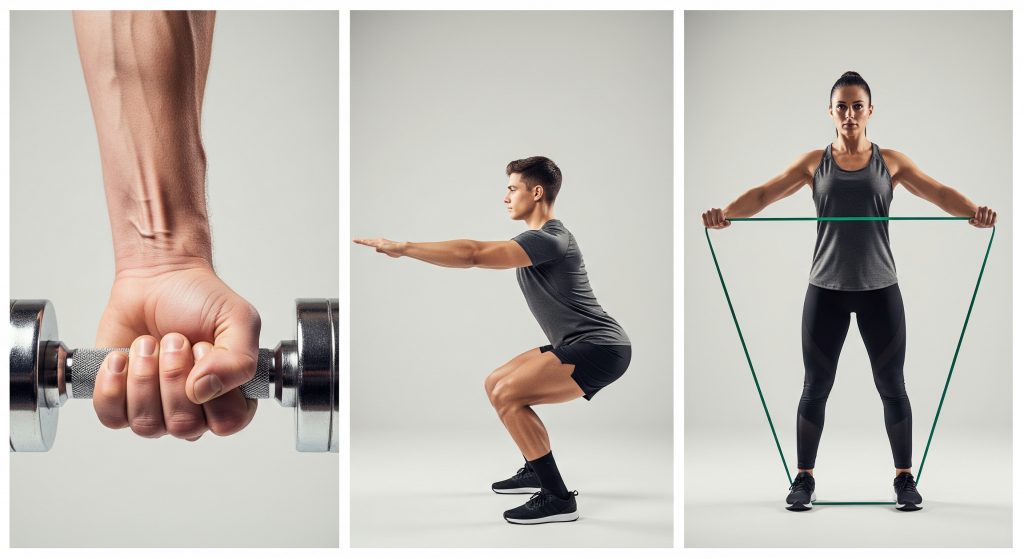
Resistance training is all about giving your muscles a reason to stay. Every time you challenge them with weights, bands, or just your bodyweight your body gets the message: muscle matters. It says, “Don’t burn this muscle. I need it.”
That’s why resistance training is so important, especially when you’re eating less. It helps your body burn fat while preserving lean mass. Think of it as the ideal partner to your GLP-1 medication.
But What If the Gym Isn’t Your Thing?
No worries. You don’t need fancy equipment or a gym membership to start building strength. Here’s how to integrate resistance training into your week:
- Use your bodyweight

Squats, lunges, push-ups, and glute bridges are effective — and require no equipment.
- Grab a resistance band
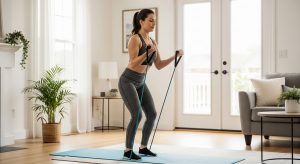
Lightweight, portable, and surprisingly powerful for full-body workouts.
- Get creative

Use water bottles, backpacks, or heavy books in place of weights. Try bicep curls, shoulder presses, or loaded squats.
- Keep it short
Two to three sessions a week, just 15–20 minutes each, is enough to signal your body to retain muscle.
You don’t need to train like a bodybuilder. You just need to move your muscles regularly.
Benefits of Resistance Training on GLP-1 Therapy
Here’s why strength training even at home matters during your GLP-1 journey:
- Preserves lean muscle mass
- Prevents metabolic slowdown
- Improves body composition (think firm and toned, not just smaller)
- Boosts insulin sensitivity and blood sugar control
- Enhances mood, energy, and mental clarity
Start small. Stay consistent. Focus on progress, not perfection. With resistance training, you’re not just losing weight — you’re gaining strength and long-term resilience.
Move to Protect Your Muscles
GLP-1 medications can help you lose weight but resistance training ensures you lose fat, not strength.
So if you’re on GLP-1 therapy, remember:
- Prioritise protein
- Move your muscles
- Celebrate non-scale victories
Because in the long run, preserving muscle is what will keep your metabolism strong, your body capable, and your health thriving.
#BeTheForce
Disclaimer: The information provided in this blog is for general awareness and educational purposes only. It is not intended to replace professional medical advice, diagnosis, or treatment. Always consult a qualified healthcare provider for personalised medical guidance or concerns related to your health. Images shown are for representation purposes only and may not depict the exact recommendations or outcomes.





Leave a Reply