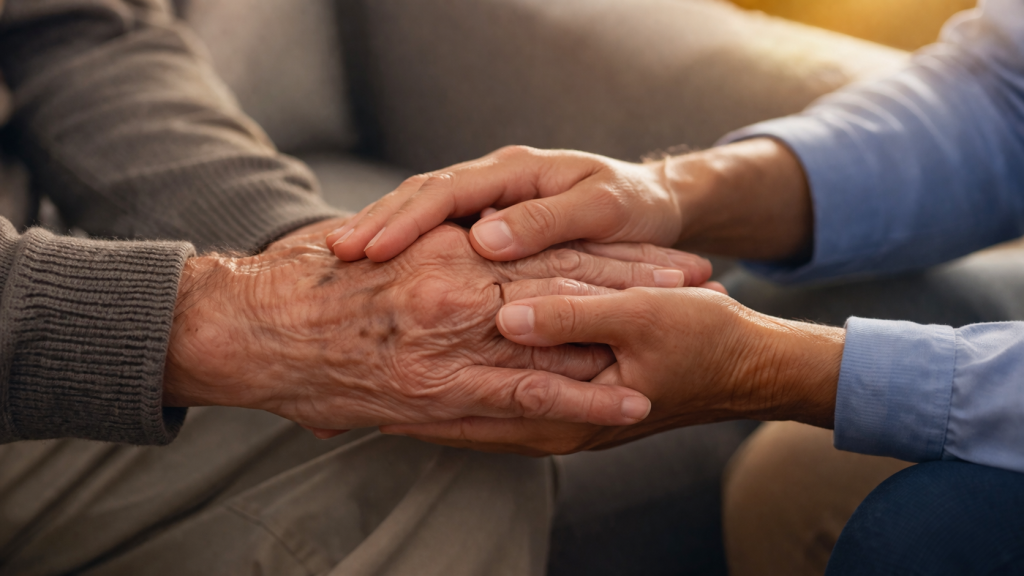
 Every year on April 11th, the world pauses to recognise Parkinson’s disease.
But for millions of individuals and families, this is not a one-day reality.
It is a daily negotiation with movement, independence, and uncertainty.
As we mark World Parkinson’s Day 2026, the global theme “Bridge the Care Gap” highlights a deeper truth:
👉 The challenge is not just awareness.
👉 It is access, continuity, and support for both patients and caregivers.
Understanding the Condition: More Than Just Tremors
Parkinson’s is often reduced to a single image shaking hands.
In reality, it is far more complex.
It is a progressive neurodegenerative condition caused by the loss of dopamine-producing cells in the brain, particularly in the substantia nigra. Dopamine plays a critical role in regulating movement, coordination, and balance.
As levels decline, control over the body gradually weakens.
Core motor symptoms include:
- Tremors: Involuntary shaking, often starting in the hands at rest
- Bradykinesia: Slowness of movement that affects everyday tasks
- Muscle rigidity: Stiffness that restricts motion and causes discomfort
- Postural instability: Impaired balance, increasing fall risk
Early non-motor symptoms may include:
- Sleep disturbances
- Loss of smell
- Chronic constipation
- Anxiety or mood changes
These symptoms often appear years before diagnosis making early awareness critical.
Bridging the Gap: From Awareness to Action
Despite advances in treatment, a significant gap remains:
- delayed diagnosis
- limited access to therapy
- inconsistent long-term care
Bridging this gap requires moving beyond episodic care to continuous, holistic support.
What this looks like in practice:
- Movement as therapy: Regular, targeted exercise helps maintain mobility and improves how the brain utilises dopamine.
- Nutritional consistency: Anti-inflammatory, balanced nutrition supports neurological and metabolic health.
- Mental and emotional support: Living with Parkinson’s impacts identity, confidence, and independence not just physical function.
The Overlooked Reality: Caregiver Health
One of the most under-discussed aspects of Parkinson’s care is the caregiver.
Behind every patient is someone:
- managing routines
- navigating appointments
- absorbing emotional stress
Over time, this leads to:
- fatigue
- burnout
- neglected personal health
And yet, caregiver health is rarely prioritised.
To truly bridge the care gap, this must change.
Preventive Health for Caregivers: Why It Matters
Caregiving is not sustainable without resilience.
Maintaining personal health is not optional it is essential.
Key areas include:
- Sleep: Chronic sleep deprivation accelerates physical and mental fatigue
- Stress management: Ongoing stress impacts immunity and energy levels
- Physical activity: Movement improves both mental clarity and stamina
This is where structured support becomes valuable.
Using a preventive health ecosystem like GOQii allows caregivers to:
- track daily habits
- monitor sleep and activity
- receive guidance from a personalised health coach
Not as an add-on but as a way to protect their own baseline health while caring for someone else.
How You Can Make a Difference This World Parkinson’s Day
You don’t need to be a clinician to contribute meaningfully.
- Recognise early signs in ageing family members
- Start conversations using the red tulip symbol
- Practice patience in public spaces
- Support caregivers, not just patients
Small actions create real impact.
Frequently Asked Questions (FAQs)
- What is the main goal of World Parkinson’s Day?
To raise awareness, improve access to care, accelerate research, and highlight the need for better support systems for both patients and caregivers.
- Why is the red tulip the symbol?
It was developed by a Dutch horticulturist living with Parkinson’s and later adopted globally as a symbol of awareness and resilience.
- Who is most at risk?
Age is the primary factor (typically 60+), with men slightly more affected. Genetics play a role in a minority of cases.
- Why is caregiver health critical?
Without physical and emotional resilience, caregivers cannot sustain long-term support making preventive health essential for effective care.
Parkinson’s care is not just about managing symptoms.
It is about sustaining quality of life for both the individual and the person standing beside them.
Bridging the care gap begins when we recognise both.
#BeTheForce
Disclaimer: This article is intended for general awareness and educational purposes only and should not be considered medical advice. Parkinson’s disease is a complex neurological condition that requires individualised diagnosis and treatment by qualified healthcare professionals. Always consult a neurologist or licensed medical practitioner for medical concerns or treatment decisions. GOQii provides preventive health and lifestyle coaching support and does not offer clinical diagnosis or treatment for Parkinson’s disease.



Leave a Reply