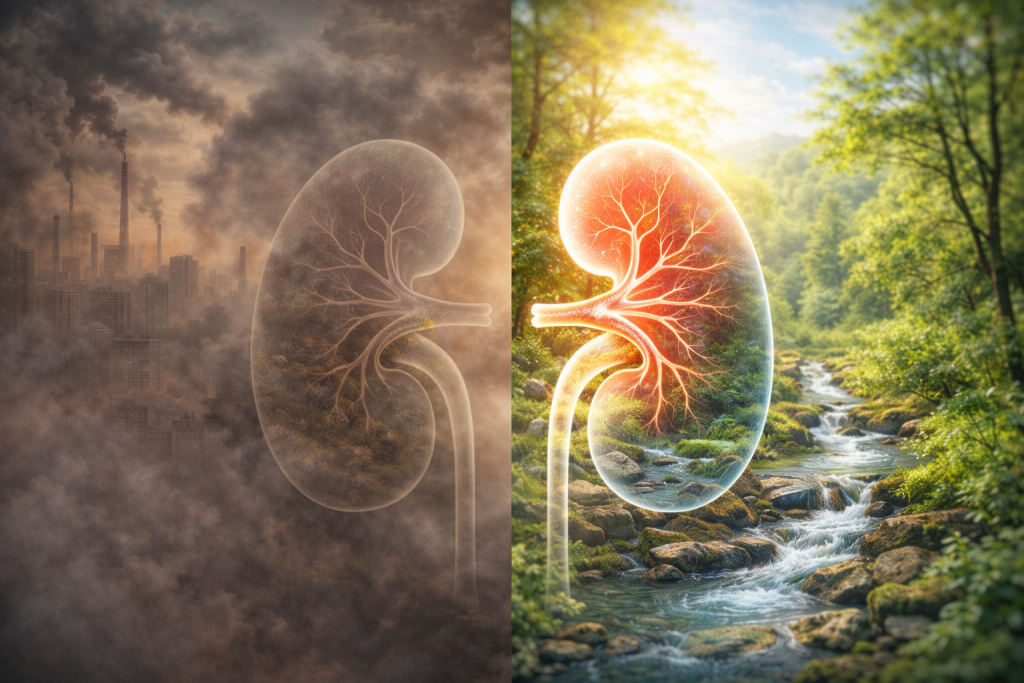
 Did you know that the health of your kidneys is closely linked to the health of the environment around you?
As we mark the 20th anniversary of World Kidney Day on March 12, 2026, the global health conversation is expanding beyond traditional lifestyle factors. This year’s theme “Kidney Health for All – Caring for People, Protecting the Planet” highlights a powerful truth: protecting the environment is also an essential part of protecting our health.
For years, kidney health discussions have focused on diet, exercise, hydration and genetics. While these remain critical, emerging research now shows that climate change, pollution and environmental degradation are placing increasing stress on the kidneys, one of the body’s most vital organs.
Understanding this connection helps us take better care of both our personal health and our planet.
The Environment–Kidney Connection: How Climate Affects Renal Health
Your kidneys function as the body’s natural filtration system. Every day, they filter around 50 gallons of blood, removing toxins, balancing fluids and regulating essential minerals.
However, modern environmental stressors are making this job more difficult.
Here are three ways environmental conditions can impact kidney health.
1. Extreme Heat and Dehydration
As global temperatures rise, heatwaves are becoming more frequent and intense. Excessive heat increases sweating and fluid loss, which can quickly lead to dehydration.
Chronic dehydration places significant stress on the kidneys because the body must concentrate urine to conserve water. Over time, this can increase the risk of:
- kidney stones
- urinary tract complications
- heat-related kidney injury, sometimes referred to as heat stress nephropathy
Staying adequately hydrated becomes even more important in hotter climates and during prolonged outdoor activity.
2. Air Pollution and Systemic Inflammation
Air pollution is often associated with respiratory diseases, but its impact goes far beyond the lungs.
Fine particulate matter (PM2.5) from vehicle emissions, industrial pollution and urban smog can enter the bloodstream through the lungs. Once inside the circulatory system, these particles can trigger chronic inflammation and damage the tiny blood vessels that help the kidneys filter toxins.
Over time, prolonged exposure to polluted air may contribute to reduced kidney function.
3. Unsafe or Contaminated Water
Access to clean drinking water is essential for maintaining healthy kidney function.
When water sources contain heavy metals, industrial chemicals or environmental toxins, the kidneys must work harder to filter these harmful substances. Continuous exposure to contaminated water may increase the risk of kidney damage or acute kidney injury.
Ensuring access to safe water is therefore both an environmental and a public health priority.
Controlling the Controllables: Your Personal Health Plan
While addressing environmental challenges requires global and policy-level action, individuals can still take steps to protect their kidney health.
One of the key messages of this year’s World Kidney Day campaign is the importance of screening for the two biggest risk factors for kidney disease:
- High Blood Pressure
- Diabetes
Both conditions damage the small blood vessels in the kidneys. Over time, uncontrolled blood sugar and high blood pressure can significantly impair the kidneys’ ability to filter waste.
If you have not checked your blood pressure or undergone a routine blood test recently, consider scheduling one. Early detection is one of the most effective ways to prevent kidney damage.
4 Sustainable Habits to Protect Your Kidneys
Taking care of your kidneys and caring for the environment can go hand in hand. Here are four simple habits that support both.
1. Hydrate Sustainably
Adequate hydration helps the kidneys flush toxins efficiently.
Instead of relying on single-use plastic bottles, carry a reusable water bottle made from stainless steel, copper or glass. This supports both hydration and environmental sustainability.
2. Embrace More Plant-Based Meals
Heavy animal proteins can generate more metabolic waste for the kidneys to filter.
Including more plant-based protein sources such as lentils, beans, chickpeas, tofu and nuts can be easier on the kidneys while also reducing your environmental footprint.
3. Choose Active Transport
Whenever possible, consider walking or cycling for short distances.
Physical activity supports cardiovascular health, which helps regulate blood pressure and blood sugar — two major risk factors for kidney disease. At the same time, active commuting reduces air pollution.
4. Dispose of Medicines Responsibly
Improper disposal of medications can contaminate water systems and harm ecosystems.
Never flush unused medicines down the toilet or sink. Instead, return them to pharmacies or authorised disposal centres where they can be handled safely.
Protecting Your Internal Ecosystem
The theme of World Kidney Day 2026 reminds us that human health and environmental health are deeply interconnected.
By protecting the planet, we also protect the systems inside our own bodies.
Small everyday choices drinking enough water, managing blood pressure, choosing sustainable habits and staying physically active can go a long way toward preserving kidney health.
If you are managing conditions like diabetes, hypertension or metabolic health, personalised lifestyle guidance can make a significant difference.
Speak to your GOQii Coach for tailored advice on nutrition, activity and preventive health strategies designed to support your long-term well-being.
Stay proactive, stay healthy and #BeTheForce.
Disclaimer: The information provided in this blog is for general awareness and educational purposes only. It is not intended to replace professional medical advice, diagnosis, or treatment. Always consult a qualified healthcare provider for personalised medical guidance or concerns related to your health. Images shown are for representation purposes only and may not depict the exact recommendations or outcomes.




Leave a Reply