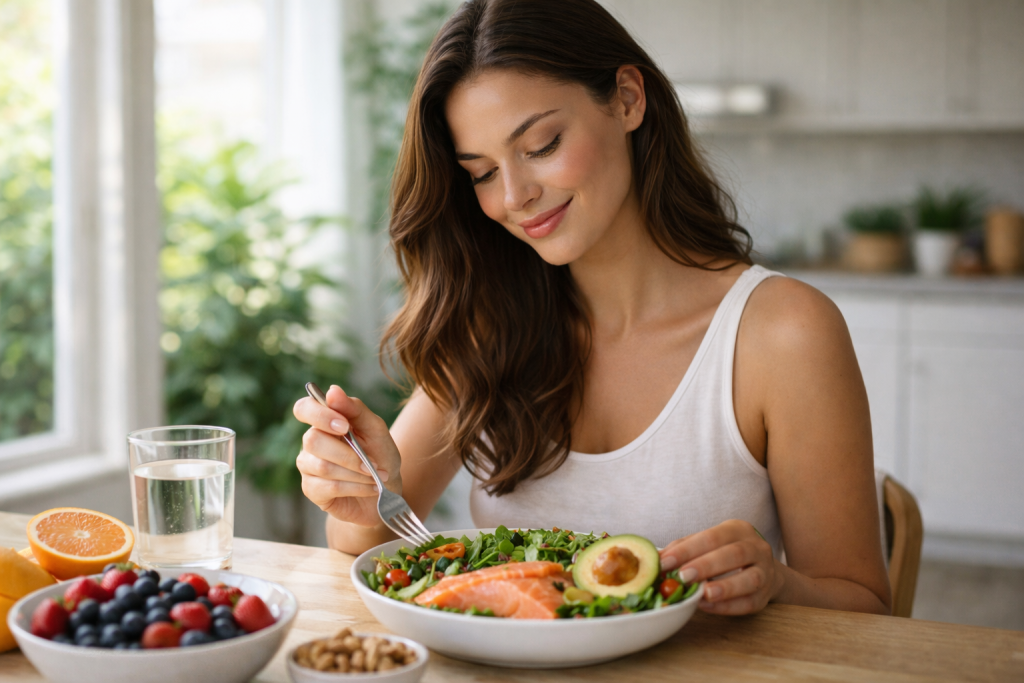
 One of the biggest concerns discussed in global wellness circles today is the impact of rapid weight loss on the skin. Whether it’s the face or the body, losing weight quickly can sometimes leave the skin struggling to “snap back.” While genetics certainly play a role, your lifestyle and nutrition are the primary drivers of how your skin adapts during this transformation.
With the growing use of GLP-1 therapies for weight management, many people are experiencing significant weight loss in a relatively short period. While this is beneficial for metabolic health, it also raises an important question: how can we support skin elasticity and maintain a healthy glow during this journey?
The answer lies in supporting your skin from the inside out through nutrient-dense foods and healthy lifestyle habits.
The Science of Skin Elasticity
Your skin relies on two important structural proteins:
Collagen – provides strength and structure to the skin
Elastin – allows the skin to stretch and bounce back
When you lose weight, the fat layer beneath the skin shrinks. If the body does not have enough nutrients to rebuild and maintain collagen and elastin, the skin may appear loose or less firm.
This is why some people experience what social media often refers to as “Ozempic face” or loose skin following rapid weight loss.
However, this outcome is not inevitable. With the right nutritional support, the body can continue to repair and maintain healthy skin tissue even as weight decreases.
Your Skin-Support Protocol
Supporting skin elasticity during weight loss involves focusing on nutrients that promote collagen production, reduce oxidative stress, and maintain hydration.
1. Hydration Beyond Water
Skin elasticity depends heavily on internal hydration.
While drinking enough water is essential, hydrating foods also play an important role. Fruits and vegetables such as:
- cucumbers
- watermelon
- oranges
- strawberries
provide both hydration and vitamin C, a crucial nutrient required for collagen synthesis.
Vitamin C acts as a co-factor that helps the body build and stabilise collagen fibres, which support skin structure and elasticity.
2. Amino Acid Loading
Collagen itself is made from amino acids, particularly:
- glycine
- proline
- hydroxyproline
This means adequate protein intake becomes critical during weight loss.
If your diet consistently meets your protein needs, you are providing the body with the building blocks needed to maintain healthy skin tissue.
Good sources include:
- eggs
- fish
- tofu
- Greek yogurt
- legumes
- lean poultry
Protein supports not only muscle maintenance but also the structural integrity of the skin.
3. The Power of Omega-3 Fats
Healthy fats are often overlooked when discussing skin health.
Omega-3 fatty acids help maintain the skin’s protective barrier and improve cell membrane function. This supports moisture retention and prevents the dull or “sallow” appearance that sometimes accompanies rapid weight loss.
Excellent omega-3 sources include:
- salmon
- walnuts
- flaxseeds
- chia seeds
Including these foods regularly can help maintain skin hydration and elasticity.
4. Vitamin C and Antioxidants
Rapid weight loss can increase oxidative stress in the body. Free radicals generated during this process may damage collagen and accelerate skin ageing.
Antioxidant-rich foods help neutralise these harmful compounds and protect skin structure.
Add a variety of colourful foods to your plate such as:
- berries
- leafy greens
- citrus fruits
- tomatoes
- carrots
These provide vitamins, polyphenols and antioxidants that support healthy skin repair.
Nutrition and Skin Elasticity: Quick Guide
| Nutrient | Role in Skin Health | Food Sources |
| Protein | Provides amino acids for collagen production | Eggs, fish, tofu, legumes |
| Vitamin C | Supports collagen synthesis | Citrus fruits, berries, bell peppers |
| Omega-3 Fats | Maintains skin barrier and hydration | Salmon, walnuts, flaxseeds |
| Antioxidants | Protect collagen from oxidative damage | Leafy greens, berries |
Supporting Your Skin During Weight Loss
While topical skincare can help maintain moisture, the foundation of skin health comes from nutrition, hydration and lifestyle habits.
Some simple habits that support skin elasticity include:
- meeting your daily protein intake
- eating a variety of colourful fruits and vegetables
- including healthy fats regularly
- staying well hydrated
- maintaining gradual, sustainable weight loss
These habits allow the body to adapt more effectively to physical changes.
The Real Secret to the “GLP-1 Glow”
Many people talk about the “GLP-1 glow” the improved skin tone and overall appearance that often accompanies healthier habits during weight loss.
But this glow does not come from medication alone.
It comes from:
- improved nutrition
- better metabolic health
- reduced inflammation
- healthier lifestyle patterns
When the body receives the nutrients it needs, the skin becomes a visible reflection of internal health.
Rapid weight loss does not have to come at the expense of skin health. By prioritising nutrient-dense foods, adequate protein intake, healthy fats and antioxidants, you can support collagen production and maintain skin elasticity throughout your weight-loss journey.
Remember, skincare products can help on the surface but true skin health begins from within.
Frequently Asked Questions
Can GLP-1 medications cause loose skin?
Rapid weight loss can sometimes reduce skin firmness because the body needs time to rebuild collagen and elastin fibres. Proper nutrition and gradual weight loss can help support skin elasticity.
What nutrients support skin during weight loss?
Protein, vitamin C, omega-3 fats and antioxidants are essential nutrients that help maintain collagen production and skin health.
Does hydration affect skin elasticity?
Yes. Adequate hydration supports skin structure and helps maintain elasticity, especially during weight loss.
The Bigger Picture: Your GLP-1 Health Journey
This article is part of our GLP-1 lifestyle series, which explores how nutrition, recovery and lifestyle habits support long-term metabolic health.
You may also find these helpful:
Together, these habits help build a sustainable and balanced health journey.
#BeTheForce
Taking control of your nutrition and lifestyle habits is one of the most powerful ways to support both metabolic health and skin vitality.
If you would like personalised guidance on nutrition, weight management and overall wellness, connect with your GOQii Coach and begin your journey toward sustainable health.
Disclaimer: GOQii is committed to providing accurate, up-to-date and comprehensive health information. This article is intended for informational purposes only and should not be used as a substitute for professional medical advice, diagnosis or treatment. Always consult a qualified healthcare professional before starting or changing any medication. Individual responses to treatment may vary.




Leave a Reply