
GOQii

Blog

  • HOME
  • HEALTHY LIVING
  • FITNESS
  • HEALTHY RECIPES
  • USER STORIES
  • KARMA
  • BUY GOQii

March 20, 2026 By GOQii Leave a Comment

Beyond the Screen: How Your Digital Habits Are Impacting Your Longevity

Social media and happiness are more connected than we realise. The way you use your phone daily can influence your stress levels, sleep quality and long-term health.

On March 20th, the International Day of Happiness, the global theme “Social Media and Happiness” shifts the spotlight to something we interact with every day: our screens.

At GOQii, we believe longevity is not just about lifespan it’s about healthspan. And your digital behaviour plays a bigger role in that than most people realise.

What Are Digital Habits?

Digital habits refer to how individuals interact with smartphones, social media and digital platforms on a daily basis. These behaviours influence mental wellbeing, stress levels, sleep patterns and overall long-term health outcomes.

In simple terms, your scrolling patterns are health behaviours.

The Science: How Social Media Affects Your Brain and Body

Your brain responds to digital stimuli through hormonal signals. Depending on how you use social media, this can either support or disrupt your internal balance.

The Negative Loop: Doom Scrolling and Stress

Constant exposure to negative content, comparison and information overload triggers:

  • Increased cortisol (stress hormone)
  • Activation of the fight-or-flight response
  • Disrupted sleep cycles
  • Mental fatigue and anxiety

Over time, chronic exposure to this state contributes to:

  • systemic inflammation
  • insulin resistance
  • accelerated biological ageing

Studies have linked excessive social media use with higher stress levels and poorer sleep quality both key factors that influence long-term health outcomes.

The Positive Loop: Connection and Wellbeing

When used intentionally, digital platforms can stimulate:

  • Oxytocin (connection hormone)
  • Serotonin (mood stabiliser)

These contribute to:

  • improved emotional resilience
  • stronger immunity
  • better mental wellbeing

The impact of social media is not inherently negative it depends on how it is used.

The Longevity Link: Why Digital Habits Matter

Longevity is driven by daily behaviours.

Your digital habits directly influence:

  • how well you sleep
  • how stressed your body remains
  • how active or sedentary you are
  • how connected or isolated you feel

These are not surface-level effects. They are core drivers of healthspan.

Poor digital hygiene does not create immediate illness but over time, it compounds into measurable health risks.

3 Practical Ways to Build Healthier Digital Habits

  1. Set Boundaries: The 20-Minute Rule

Treat social media like a controlled input, not passive consumption.

  • Limit usage to intentional 15–20 minute sessions
  • Avoid scrolling before bedtime
  • Maintain a 60-minute digital cut-off before sleep

This protects sleep, one of the most critical pillars of recovery and longevity.

  1. Replace Passive Scrolling with Real Connection

Engagement is not connection.

Instead of passive actions:

  • send a voice note
  • make a phone call
  • engage in real conversations

Human connection remains one of the strongest predictors of long-term health and happiness.

  1. Curate Your Digital Environment

Your feed is your mental ecosystem.

Evaluate your content:

  • Does it trigger stress or comparison?
  • Does it inspire action or growth?

Remove what drains you. Follow what supports:

  • physical activity
  • learning
  • positive behaviour change

At GOQii, we call this “Bloom Scrolling” building a digital environment that supports growth.

Happiness, Behaviour and Healthspan

Insights from global wellbeing research consistently highlight three drivers of long-term happiness:

  • meaningful relationships
  • purpose
  • balance

Your digital habits influence all three.

What you consume daily shapes your mental state. Your mental state influences your physiology. And over time, that physiology determines your health outcomes.

Final Thought: Awareness Drives Longevity

You don’t need to eliminate social media.

You need to use it with intent.

Because longevity is not built through extreme actions. It is built through consistent daily behaviours including the ones that happen on your screen.

Today, use your device to:

  • schedule movement
  • connect with someone
  • learn something useful

Not just scroll.

Be intentional with your habits. Be aware of your inputs. Be the force of positivity online and offline.

Frequently Asked Questions

How do digital habits affect health?

Digital habits influence stress levels, sleep quality and mental wellbeing, all of which impact long-term health and longevity.

Does social media increase stress?

Excessive or negative content consumption can increase cortisol levels, leading to chronic stress and reduced recovery.

Can reducing screen time improve sleep?

Yes. Limiting screen exposure before bed supports melatonin production and improves sleep quality.

What is the best way to use social media for wellbeing?

Use social media intentionally focus on meaningful interaction, limit passive scrolling and curate positive, growth-oriented content.

#BeTheForce

March 14, 2026 By GOQii Leave a Comment

The Recovery Gap: Sleep Debt, Overwork and Silent Burnout Are Ageing You Faster

We often assume ageing is driven by disease diabetes, heart trouble, or high blood pressure. Something visible, something diagnosable. However, for many working adults today, ageing is being accelerated quietly by something else: chronic under-recovery.
In urban India, long commutes, late-night screen time, work calls across time zones, and constant digital noise have normalised exhaustion. Being tired has become a badge of productivity.

The body, however, does not see it that way.

Sleep Debt and Biological Age

Sleep is not downtime. It is when the actual repair happens. During deep sleep, growth hormones support tissue repair. The brain clears metabolic waste. Immune cells recalibrate. Memory consolidates. Blood pressure drops.

Chronic sleep restriction, even by just one to two hours a night, creates what researchers call sleep debt. Over time, this debt affects metabolic health, mood regulation, and cardiovascular risk. Studies have linked short sleep duration to higher levels of inflammation, insulin resistance, and an increased risk of obesity and type 2 diabetes.

Research also suggests that poor sleep patterns may influence biological age markers, including telomere length and epigenetic ageing. You may feel “functional” on five or six hours. That does not mean your cells are fully recovering.

Cortisol Overload and Chronic Inflammation

When stress becomes constant, cortisol remains elevated. Cortisol is essential in short bursts; it helps you respond to deadlines and immediate danger. But when work stress, digital overload, and poor sleep stack together, the body stays in a low-grade “fight” mode.

Persistent cortisol elevation contributes to:

  • Abdominal fat gain
  • Higher blood pressure
  • Suppressed immunity
  • Increased inflammatory markers (such as CRP)

Chronic inflammation is now recognised as a common thread in heart disease, diabetes, and neurodegeneration. The recovery gap, not just a poor diet, feeds this fire. Silent burnout does not always look dramatic. It often looks like irritability, brain fog, frequent colds, poor sleep, and constant fatigue.

HRV: A Window Into Recovery

Heart Rate Variability (HRV) measures the variation in time between your heartbeats. Higher HRV generally reflects a better nervous system balance and a higher recovery capacity.

Low HRV is associated with stress overload, inadequate sleep, and poor resilience. Wearables have made HRV easier to track. While a single reading does not define your health, consistent downward trends may indicate under-recovery. Recovery is not just about how you feel; it is measurable.

Why Weekend “Catch-Up” Sleep Fails

Many professionals rely on weekend sleep-ins to compensate for weekday deprivation. The body’s internal clock, however, works on rhythm. Irregular sleep timing disrupts your circadian alignment, affecting hormone release, digestion, and metabolism.

Sleeping late on weekends may temporarily reduce sleepiness, but it does not fully reverse the metabolic and inflammatory effects of chronic sleep restriction. Consistency matters more than occasional oversleeping.

Practical Fixes for the Recovery Gap

To truly sleep well and live better, recovery must become a non-negotiable part of your routine. It is not complicated, but it requires boundaries:

  1. Protect a Sleep Window: Aim for seven to eight hours. Go to bed and wake up at roughly the same time, even on weekends.
  2. Morning Light Exposure: Morning sunlight anchors your circadian rhythm. Ten to fifteen minutes outdoors within an hour of waking helps regulate melatonin later at night.
  3. Digital Boundaries: Create a tech cut-off at least 60 minutes before bed. Both blue light and work emails stimulate the brain, preventing it from powering down.
  4. Wind-Down Rituals: Simple cues like reading, stretching, and light breathing exercises signal safety and relaxation to the nervous system.
  5. Strategic Recovery During the Day: Short walks, slow breathing, and stepping away from screens reduce your cumulative stress load.

Rethinking Productivity

Hustle culture rewards output, but biology rewards balance. You can eat well and exercise regularly, but without adequate recovery, progress stalls. Hormones remain dysregulated. Inflammation stays elevated. Energy dips.

Longevity is not just about workouts and supplements. It is about respecting the recovery cycle. In a world that rarely switches off, choosing rest is not a weakness. It is a vital strategy. The question is not how many hours you worked today; it is whether your body had enough time to repair itself.

#BeTheForce 

What is sleep debt?

Sleep debt occurs when a person consistently sleeps fewer hours than the body requires. Over time, this lack of restorative sleep can affect metabolism, mood and long-term health.

Can sleep debt accelerate ageing?

Chronic sleep deprivation has been linked to inflammation, metabolic dysfunction and changes in biological ageing markers such as telomere length.

Why doesn’t weekend sleep fix sleep debt?

Sleeping longer on weekends may reduce fatigue temporarily, but it cannot fully reverse the metabolic and hormonal disruptions caused by chronic sleep deprivation.

Disclaimer: GOQii is committed to providing accurate, up-to-date, and comprehensive health information. This article is intended for informational purposes only and should not be used as a substitute for professional medical advice, diagnosis, or treatment. Always consult a qualified healthcare professional before starting or changing any medication, or sleep routine. Individual responses to lifestyle changes may vary.

March 12, 2026 By GOQii Leave a Comment

Our Kidneys, Our Planet: How Environmental Health Impacts Your Body

Did you know that the health of your kidneys is closely linked to the health of the environment around you?

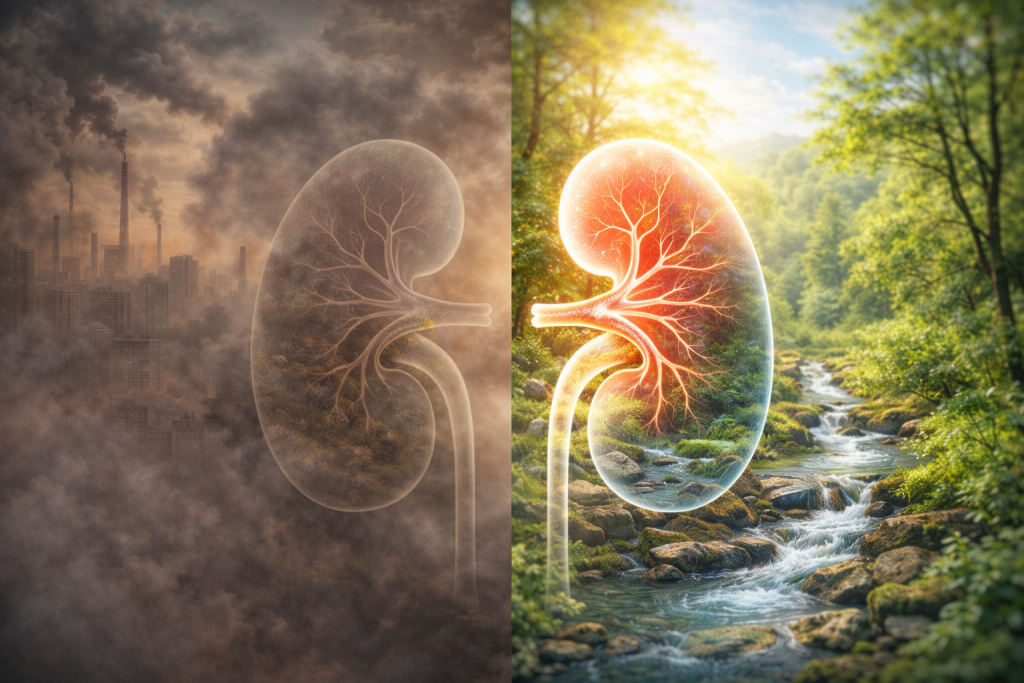
As we mark the 20th anniversary of World Kidney Day on March 12, 2026, the global health conversation is expanding beyond traditional lifestyle factors. This year’s theme “Kidney Health for All – Caring for People, Protecting the Planet” highlights a powerful truth: protecting the environment is also an essential part of protecting our health.

For years, kidney health discussions have focused on diet, exercise, hydration and genetics. While these remain critical, emerging research now shows that climate change, pollution and environmental degradation are placing increasing stress on the kidneys, one of the body’s most vital organs.

Understanding this connection helps us take better care of both our personal health and our planet.

The Environment–Kidney Connection: How Climate Affects Renal Health

Your kidneys function as the body’s natural filtration system. Every day, they filter around 50 gallons of blood, removing toxins, balancing fluids and regulating essential minerals.

However, modern environmental stressors are making this job more difficult.

Here are three ways environmental conditions can impact kidney health.

1. Extreme Heat and Dehydration

As global temperatures rise, heatwaves are becoming more frequent and intense. Excessive heat increases sweating and fluid loss, which can quickly lead to dehydration.

Chronic dehydration places significant stress on the kidneys because the body must concentrate urine to conserve water. Over time, this can increase the risk of:

  • kidney stones
  • urinary tract complications
  • heat-related kidney injury, sometimes referred to as heat stress nephropathy

Staying adequately hydrated becomes even more important in hotter climates and during prolonged outdoor activity. 

2. Air Pollution and Systemic Inflammation

Air pollution is often associated with respiratory diseases, but its impact goes far beyond the lungs.

Fine particulate matter (PM2.5) from vehicle emissions, industrial pollution and urban smog can enter the bloodstream through the lungs. Once inside the circulatory system, these particles can trigger chronic inflammation and damage the tiny blood vessels that help the kidneys filter toxins.

Over time, prolonged exposure to polluted air may contribute to reduced kidney function.

3. Unsafe or Contaminated Water

Access to clean drinking water is essential for maintaining healthy kidney function.

When water sources contain heavy metals, industrial chemicals or environmental toxins, the kidneys must work harder to filter these harmful substances. Continuous exposure to contaminated water may increase the risk of kidney damage or acute kidney injury.

Ensuring access to safe water is therefore both an environmental and a public health priority.

Controlling the Controllables: Your Personal Health Plan

While addressing environmental challenges requires global and policy-level action, individuals can still take steps to protect their kidney health.

One of the key messages of this year’s World Kidney Day campaign is the importance of screening for the two biggest risk factors for kidney disease:

  • High Blood Pressure
  • Diabetes

Both conditions damage the small blood vessels in the kidneys. Over time, uncontrolled blood sugar and high blood pressure can significantly impair the kidneys’ ability to filter waste.

If you have not checked your blood pressure or undergone a routine blood test recently, consider scheduling one. Early detection is one of the most effective ways to prevent kidney damage.

4 Sustainable Habits to Protect Your Kidneys

Taking care of your kidneys and caring for the environment can go hand in hand. Here are four simple habits that support both.

1. Hydrate Sustainably

Adequate hydration helps the kidneys flush toxins efficiently.

Instead of relying on single-use plastic bottles, carry a reusable water bottle made from stainless steel, copper or glass. This supports both hydration and environmental sustainability.

2. Embrace More Plant-Based Meals

Heavy animal proteins can generate more metabolic waste for the kidneys to filter.

Including more plant-based protein sources such as lentils, beans, chickpeas, tofu and nuts can be easier on the kidneys while also reducing your environmental footprint.

3. Choose Active Transport

Whenever possible, consider walking or cycling for short distances.

Physical activity supports cardiovascular health, which helps regulate blood pressure and blood sugar — two major risk factors for kidney disease. At the same time, active commuting reduces air pollution.

4. Dispose of Medicines Responsibly

Improper disposal of medications can contaminate water systems and harm ecosystems.

Never flush unused medicines down the toilet or sink. Instead, return them to pharmacies or authorised disposal centres where they can be handled safely.

Protecting Your Internal Ecosystem

The theme of World Kidney Day 2026 reminds us that human health and environmental health are deeply interconnected.

By protecting the planet, we also protect the systems inside our own bodies.

Small everyday choices drinking enough water, managing blood pressure, choosing sustainable habits and staying physically active can go a long way toward preserving kidney health.

If you are managing conditions like diabetes, hypertension or metabolic health, personalised lifestyle guidance can make a significant difference.

Speak to your GOQii Coach for tailored advice on nutrition, activity and preventive health strategies designed to support your long-term well-being.

Stay proactive, stay healthy and #BeTheForce.

Disclaimer: The information provided in this blog is for general awareness and educational purposes only. It is not intended to replace professional medical advice, diagnosis, or treatment. Always consult a qualified healthcare provider for personalised medical guidance or concerns related to your health. Images shown are for representation purposes only and may not depict the exact recommendations or outcomes.

March 11, 2026 By Luke Coutinho 9 Comments

Caution: Smoking is Injurious to health!!

No Smoking

With No Smoking Day upon us, there is no better time to evaluate the true impact of this habit. We are all incredibly familiar with this warning. Research consistently indicates that smoking is the number one cause of preventable death globally. By now, most of us are acutely aware of the severe toll it takes on the body.

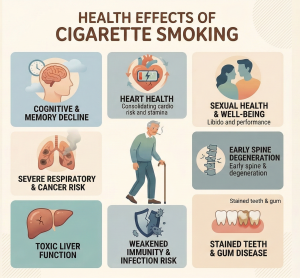
Chronic smoking is directly linked to:

  • Cardiovascular disease
  • Impotence, lack of sexual desire, and inability to perform
  • Various forms of cancer
  • A weakened immune system
  • Severely stained teeth
  • Early degeneration of bones (especially the spine)
  • Reduced lung function and capacity
  • Liver toxicity
  • Reduced stamina and endurance
  • Premature aging

Besides the above, there are several benefits of kicking the butt, apart from of course saving loads of money and time.

Interesting fact: 75% to 85% of smokers want to quit, but simply don’t know how, or find the withdrawal process too daunting.

One of the main reasons it is so hard to stop is because the dangers of continuing, and the benefits of quitting, seem very far away. However, your body begins to heal almost instantly.

The Healing Timeline: What Happens Right Now?

Here is a timeline detailing the immediate and long-term effects of quitting smoking, showing exactly how your body recovers minute by minute, and year by year.

  • In 20 minutes: Your blood pressure and heart rate will drop back down to normal levels.
  • In 8 hours: The carbon monoxide (a toxic gas) levels in your bloodstream will drop by half. Oxygen levels will return to normal, and your metabolism will begin to stabilize.
  • In 48 hours: Your chances of having a heart attack will have already decreased. All nicotine will have left your body. You will also notice your sense of taste and smell returning to normal levels.
  • In 72 hours: Your bronchial tubes will relax. You will notice an increase in your energy levels and lung volume.
  • In 2 weeks: Your blood circulation will increase, and it will continue to improve over the next 10 weeks.
  • In 3 to 9 months: Coughs, wheezing, and breathing problems will dissipate as your lung capacity improves by an impressive 10%.
  • In 1 year: Your risk of suffering a heart attack will have dropped by half compared to a smoker.
  • In 5 years: Your risk of having a stroke returns to that of a non-smoker.
  • In 10 years: Your risk of developing lung cancer will have dropped to that of a non-smoker.
  • In 15 years: Your overall risk of a heart attack will have entirely returned to that of someone who has never smoked.

You have far more immediate benefits to look forward to than you might realize. The healing starts the moment you put out your last cigarette. Make this No Smoking Day the day you finally kick the habit. Quit now!

Nutritional Support for Smokers

If you are currently smoking or in the process of quitting, nutritional support is vital. Smokers should ensure they take Vitamin C regularly, as smoking heavily depletes the body’s natural levels of this crucial antioxidant. Additionally, regular consumption of Curcumin (turmeric extract) is known to help clear nicotine patches from the lungs and is widely studied for its role in possible cancer prevention.

#BeTheForce

Disclaimer: GOQii is committed to providing accurate, up-to-date, and comprehensive health information. This article is intended for informational purposes only and should not be used as a substitute for professional medical advice, diagnosis, or treatment. Always consult a qualified healthcare professional before starting or changing any medication or supplement. Individual responses to treatment may vary.

  • « Previous Page
  • 1
  • 2
  • 3
  • 4
  • …
  • 76
  • Next Page »

Search

Recent Posts

  • Healthy Recipes For Kids: Healthy Twist On Pizza & Rolls
  • Staying Sharp After 40: The Ultimate Guide to Brain Longevity
  • Eat to Defy Age: Top 5 Foods to Fight Wrinkles and Premature Ageing
  • Brain Longevity: How to Stay Mentally Sharp After 40
  • The Role of Glutamine: Why This Amino Acid is Crucial for Muscle Recovery

Stay Updated

Archives

  • April 2026 (2)
  • March 2026 (18)
  • February 2026 (14)
  • January 2026 (14)
  • December 2025 (19)
  • November 2025 (15)
  • October 2025 (20)
  • September 2025 (6)
  • August 2025 (6)
  • July 2025 (12)
  • June 2025 (18)
  • May 2025 (16)
  • April 2025 (22)
  • March 2025 (28)
  • February 2025 (22)
  • January 2025 (25)
  • December 2024 (22)
  • November 2024 (23)
  • October 2024 (21)
  • September 2024 (24)
  • August 2024 (30)
  • July 2024 (21)
  • June 2024 (25)
  • May 2024 (30)
  • April 2024 (27)
  • March 2024 (27)
  • February 2024 (25)
  • January 2024 (21)
  • December 2023 (14)
  • November 2023 (11)
  • October 2023 (19)
  • September 2023 (22)
  • August 2023 (18)
  • July 2023 (22)
  • June 2023 (24)
  • May 2023 (24)
  • April 2023 (23)
  • March 2023 (23)
  • February 2023 (19)
  • January 2023 (15)
  • December 2022 (11)
  • November 2022 (15)
  • October 2022 (15)
  • September 2022 (12)
  • August 2022 (10)
  • July 2022 (17)
  • June 2022 (11)
  • May 2022 (10)
  • April 2022 (6)
  • March 2022 (6)
  • February 2022 (13)
  • January 2022 (11)
  • December 2021 (7)
  • November 2021 (3)
  • October 2021 (6)
  • September 2021 (3)
  • August 2021 (8)
  • July 2021 (7)
  • June 2021 (15)
  • May 2021 (16)
  • April 2021 (10)
  • March 2021 (7)
  • February 2021 (4)
  • January 2021 (4)
  • December 2020 (3)
  • November 2020 (4)
  • October 2020 (10)
  • September 2020 (3)
  • August 2020 (3)
  • July 2020 (2)
  • June 2020 (4)
  • May 2020 (10)
  • April 2020 (12)
  • March 2020 (10)
  • February 2020 (4)
  • January 2020 (4)
  • December 2019 (3)
  • November 2019 (7)
  • October 2019 (5)
  • September 2019 (4)
  • August 2019 (9)
  • July 2019 (9)
  • June 2019 (11)
  • May 2019 (4)
  • April 2019 (8)
  • March 2019 (8)
  • February 2019 (9)
  • January 2019 (8)
  • December 2018 (9)
  • November 2018 (3)
  • October 2018 (3)
  • September 2018 (5)
  • August 2018 (10)
  • July 2018 (6)
  • June 2018 (13)
  • May 2018 (8)
  • April 2018 (18)
  • March 2018 (9)
  • February 2018 (8)
  • January 2018 (15)
  • December 2017 (12)
  • November 2017 (19)
  • October 2017 (13)
  • September 2017 (15)
  • August 2017 (4)
  • July 2017 (8)
  • June 2017 (7)
  • May 2017 (6)
  • April 2017 (8)
  • March 2017 (6)
  • February 2017 (7)
  • January 2017 (9)
  • December 2016 (10)
  • November 2016 (7)
  • October 2016 (7)
  • September 2016 (7)
  • August 2016 (11)
  • July 2016 (9)
  • June 2016 (9)
  • May 2016 (12)
  • April 2016 (17)
  • March 2016 (17)
  • February 2016 (8)
  • January 2016 (6)
  • December 2015 (2)
  • November 2015 (9)
  • October 2015 (7)
  • September 2015 (9)
  • August 2015 (11)
  • July 2015 (9)
  • June 2015 (12)
  • May 2015 (9)
  • April 2015 (13)
  • March 2015 (8)
  • February 2015 (5)
  • January 2015 (12)
  • December 2014 (14)
  • November 2014 (11)
  • October 2014 (6)
  • September 2014 (13)
  • August 2014 (12)
  • July 2014 (6)
  • June 2014 (2)
  • May 2014 (7)
  • April 2014 (4)

From “Laddu Nawin” to Fit and Fierce: How a 25-Year-Old Insurance Advisor Shed 20 Kilos and Gained His Life Back

When 25-year-old Nawin Yadav from Hyderabad walked into his office every morning, he carried more than just his files and policy papers. He had the weight of fatigue, sluggish energy, and an ever-growing belly that was becoming the butt of jokes. “People … [Read More...]

“I’ve Challenged Myself to Live 100 Years” – The Story of Chandubhai Savani’s Second Chance at Life

At 67, most people start slowing down. Not Chandubhai Savani. A resident of Surat, Chandubhai, thought life was on track. “My life was going well till I had my bypass surgery,” he says. That surgery, back in 2021, was a wake-up call.  Medication was routine, but exercise wasn’t. His diet? What he calls ‘normal.’ “I […]

From Shimla’s Slopes to Chandigarh’s Sidewalks: Surinder Kaur Bhalla’s Journey from Chaos to Control

Some journeys start with a plan. Others begin with a stumble literally. Surinder Bhalla, a government professional, born and raised in the scenic hill town of Shimla, had always lived a life of movement. “In Shimla, you walked everywhere,” she reflects. “Walking was never an exercise. It was just life.” But after shifting to Chandigarh, […]

Ananda Mukherjee Health Story

From Terminal Illness To Complete Wellness! Ananda Mukherjee Health Story

As we observe World Cancer Day under the powerful theme ‘United by Unique’ (2025-2027)**, we are reminded that every individual’s journey with cancer is distinct, yet united by shared resilience, hope, and the collective fight against this disease. This theme places people at the centre of care and their stories at the heart of the […]

  • HOME
  • HEALTHY LIVING
  • FITNESS
  • HEALTHY RECIPES
  • USER STORIES
  • KARMA
  • BUY GOQii

Copyright ©2016 GOQii


