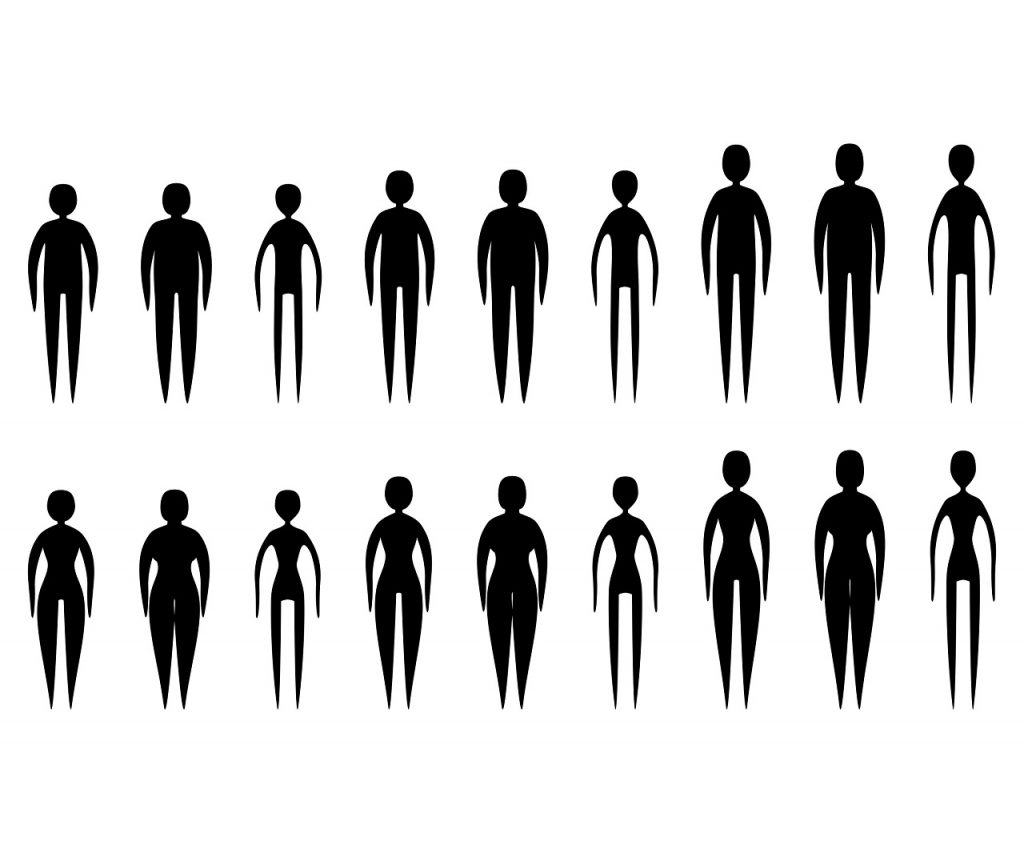
Have you ever wondered why a friend or neighbour, who’s the same age, height and weight as you, appears leaner? Or why they fit into size M clothes while you need size L- even if the numbers look similar? The answer lies in Body Composition.
What is Body Composition?
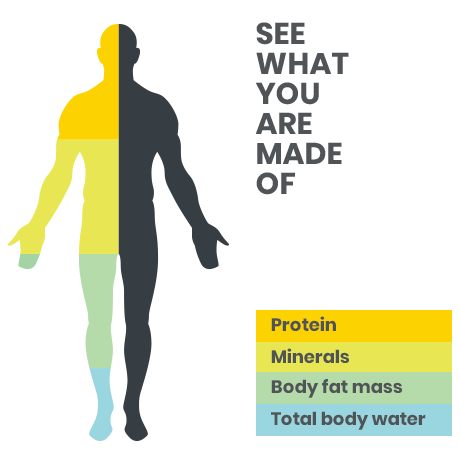
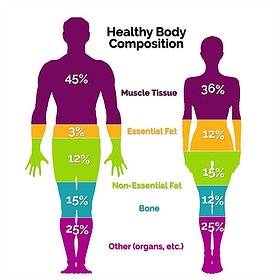
Body composition refers to the percentages of fat, bone, water and muscle in the human body. Two individuals of the same sex and weight may look completely different because they have different amounts of fat and lean mass.
In physical fitness, body composition is important because muscular tissue takes up less space than fat tissue. So it’s not just your weight that determines how lean you look – it’s the ratio of fat to muscle and other lean tissues.
What is Body Composition Analysis (BCA)?
As rates of overweight and obesity continue to rise, Body Composition Analysis is gaining traction as a more accurate way to assess health than simply looking at weight or BMI. Unlike weight scales or BMI charts, BCA tells you how much of your body is fat versus lean tissue such as muscle, water, bone, and organs.
Lean tissue is metabolically active, meaning it burns calories even when you’re at rest. So a person with more lean mass generally has a higher metabolism.
Why Should You Measure It?
Health experts agree: excess body fat increases the risk of numerous conditions including:
- High blood pressure
- High cholesterol and triglycerides
- Type 2 diabetes
- Heart disease
- Breathing difficulties
- Gallbladder disease
- And more
Measuring body composition provides better insights than weight alone. It’s common to assume that “thin” means “healthy,” but that’s not always true. Being thin refers to weighing less than average, while leanness refers to a healthier ratio of muscle to fat. You can be thin and still have high body fat (sometimes called “skinny fat”).
Benefits of BCA
Understanding your body composition helps you and your healthcare providers in several ways:
- Establishes a baseline for nutrition and obesity treatment
- Supports targeted plans for muscle gain and fat loss
- Tracks fat loss and muscle gain from diet and exercise
- Gives insights into your metabolic rate and hydration levels
- Highlights fat distribution, which can signal hormonal imbalances
- Measures dangerous visceral fat (fat around organs)
- Helps assess bone health and risk for osteoporosis
- Identifies personal long-term health risks
How Do You Measure Body Composition?
There are several ways to estimate your body fat percentage, either at home, at the gym, or via a medical professional. Common methods include:
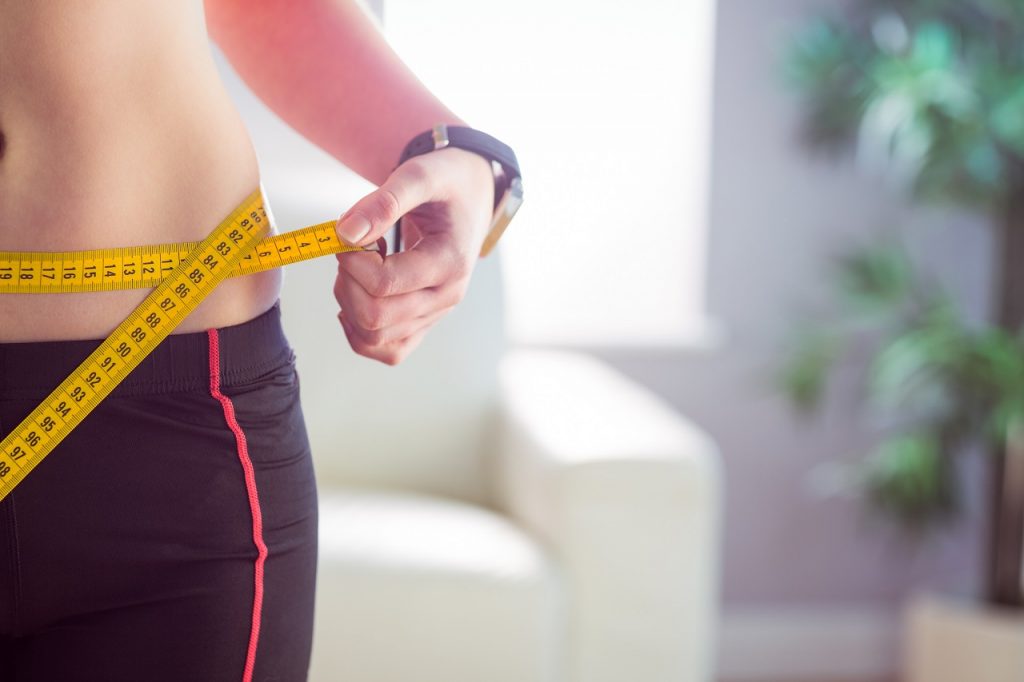
- Body Circumference Measurements:This involves measuring body parts like the waist, hips, and neck to estimate fat levels. It’s simple, affordable and useful for tracking changes over time. However, it may be inaccurate for certain body shapes and fat distributions.
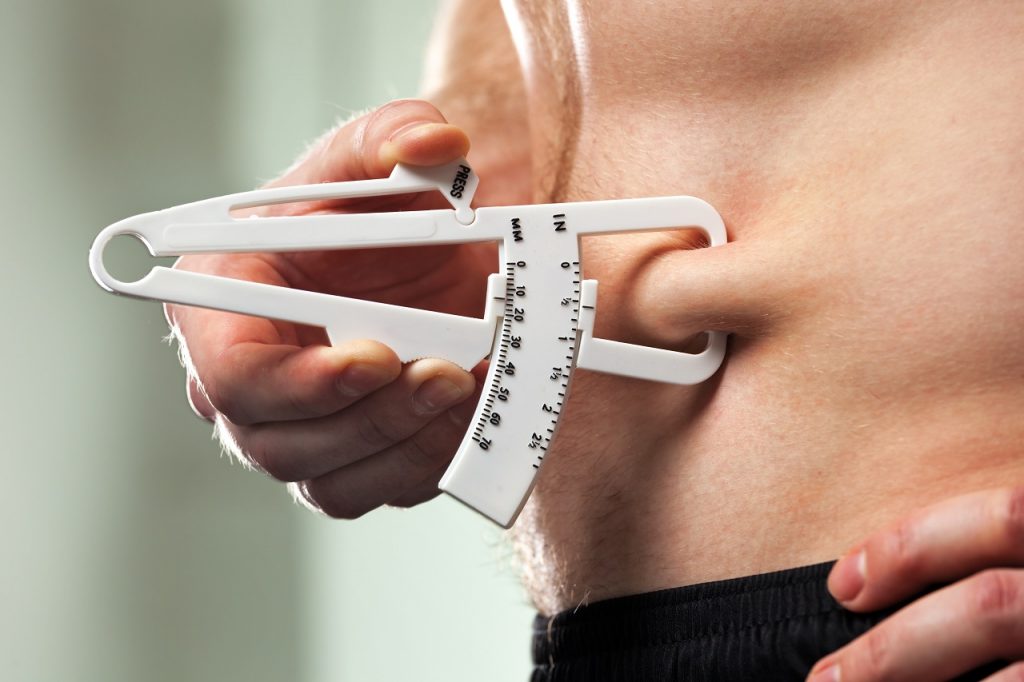
- Skinfold Calipers:Calipers measure the thickness of skin and subcutaneous fat in specific areas such as the triceps, abdomen, and shoulder blades. It’s affordable and quick but requires some practice and anatomical knowledge.
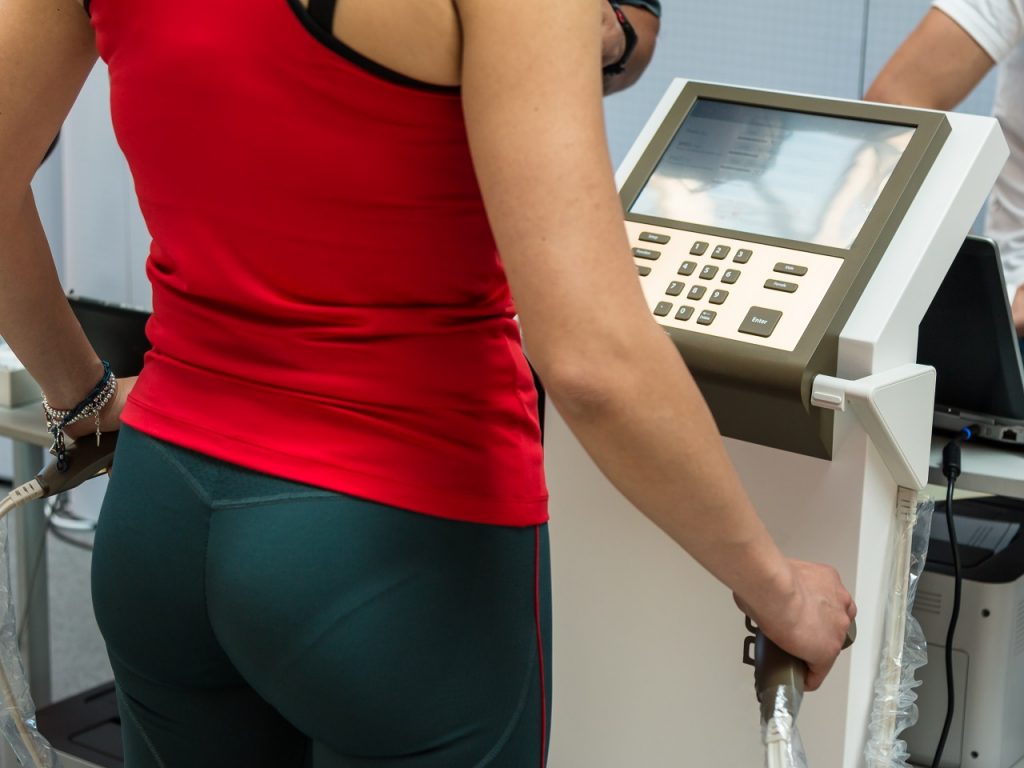
- Bioelectrical Impedance Analysis:This method sends a small electrical current through your body via a handheld or scale-based device. Since fat resists electrical flow more than muscle or water, the drop in current gives an estimate of body fat percentage. It’s convenient and non-invasive, but hydration levels can affect accuracy.
Advanced (But Less Accessible) Methods
Some highly accurate methods are available in medical or research settings but are expensive and less accessible:
- Dual-energy X-ray absorptiometry (DEXA)
- Hydrostatic weighing
- Air displacement plethysmography (e.g. Bod Pod)
- 3D body scanning
- MRI or Spectroscopy
- Isotopic dilution
When to Measure
No matter the method, it’s best to measure body composition first thing in the morning, on an empty stomach, after using the toilet. This helps reduce variation due to hydration, food intake, or daily activities.
Body composition helps explain why people with the same weight may look or feel very different. It’s a far more insightful indicator of health than the number on a scale.
Want to learn more about nutrition and fat loss? Browse Healthy Reads. Or get personalised guidance from a GOQii Coach by subscribing here.
#BeTheForce
Disclaimer: The information provided in this blog is for general awareness and educational purposes only. It is not intended to replace professional medical advice, diagnosis, or treatment. Always consult a qualified healthcare provider for personalised medical guidance or concerns related to your health. Images shown are for representation purposes only and may not depict the exact recommendations or outcomes.





Great going Neha … Congrats!
Very inspiring and helpful
Great job keep it up😇😇
This is a great and useful article Neha, those tips are really helpful. Thank you so much for sharing these tips as well as your insights about body composition.
An amazing article as always.
Great knowledge
Neha wrote a wonderful and insightful essay, and those suggestions are quite beneficial. I appreciate you providing these suggestions and your knowledge of body composition.