GOQii

Blog

  • HOME
  • HEALTHY LIVING
  • FITNESS
  • HEALTHY RECIPES
  • USER STORIES
  • KARMA
  • BUY GOQii

November 14, 2025 By Pradnya Shinde Leave a Comment

The Hidden Link Between Diabetes and Mental Health – And How to Break the Cycle

A concerned woman holding a glucose meter with a high blood sugar reading, symbolising the connection between diabetes and mental health.This World Diabetes Day, the theme is “Diabetes across life stages,” with a special focus on “Diabetes and Well-being.” This highlights a crucial truth: managing diabetes isn’t just about blood sugar; it’s a lifelong mental and emotional journey.

Is the fear of diabetes complications weighing you down, leaving you anxious and uncertain about your health?

Living with diabetes can feel like a full-time job. The constant blood sugar checks, meal planning, and insulin management can be overwhelming. However, what often goes unnoticed is how much diabetes affects mental health. Did you know that people with diabetes are 50% more likely to experience depression than those without it? And the connection works both ways, depression can also increase the risk of developing diabetes.

So, what’s the link? And more importantly, what can you do about it?

How Diabetes Affects Your Brain

High blood sugar doesn’t just impact your body, it affects your brain too. The hippocampus, which controls memory and emotions, is particularly vulnerable. Over time, elevated blood sugar levels can shrink brain cells, making it harder to focus, think clearly, or remember things.

But that’s not all. It can also trigger mood swings, anxiety, and even lead to depression or dementia. If you’ve been feeling foggy, forgetful, or just “off,” your blood sugar levels might be playing a bigger role than you realise.

Can Depression Lead to Diabetes?

It’s not just diabetes affecting mental health—mental health can impact diabetes too. Depression makes it harder to stay active, eat well, or take care of yourself. This, in turn, can lead to weight gain and insulin resistance, increasing the risk of type 2 diabetes.

To make things even trickier, some antidepressants can cause weight gain, making it harder to manage blood sugar. It’s a vicious cycle—similar to the classic “chicken or egg” dilemma.

The Role of Stress in All of This

Stress is the common thread linking diabetes and depression. When you’re stressed, your body releases cortisol, the “fight or flight” hormone. While short bursts of cortisol are helpful, chronic stress can raise blood sugar levels and make your body less responsive to insulin.

This is why managing stress is just as important as managing your diet or exercise routine. The good news? There are proven ways to break the diabetes-stress cycle.

Stress Through the Life Stages

This “diabetes-stress cycle” can feel different depending on your stage of life.

  • In Childhood & Teens: The stress often comes from feeling different at school, managing blood sugar during exams, or navigating social events and peer pressure.
  • In Adulthood: The pressure shifts to the workplace. This includes discreetly checking blood sugar in meetings, worrying about a hypo-glycaemic episode during a presentation, or balancing a demanding career with self-care.
  • In Older Age: The anxiety might shift to a greater focus on managing complications or fears about the future.

The good news is that the same mind-body tools can help you take control, no matter your age or environment.

How to Take Control of Your Health (Both Physical & Mental)

The key is a mind-body approach—where you care for your mental well-being just as much as your physical health. Here are two effective strategies:

  1. Move More

Exercise is one of the best natural antidepressants out there. When you work out, your body releases endorphins, the “feel-good” chemicals that boost your mood and lower stress. Plus, exercise improves insulin sensitivity, helping your body use glucose more effectively.

Even 15-30 minutes of movement a day—like walking, dancing, or yoga—can make a huge difference in both diabetes management and mental well-being.

  1. Try Cognitive Behavioural Therapy (CBT)

CBT is a type of therapy that helps you reframe negative thoughts. Studies show that when combined with exercise, CBT is more effective than medication alone for improving mental health—and it has long-term benefits.

Here’s a simple CBT trick:

  • If you find yourself thinking, “I’ll never stick to this diet,” try shifting it to, “I might struggle, but I can take it one step at a time.”
  • Small shifts in mindset can reduce stress and help you stay on track.

CBT usually involves 6 to 18 sessions with a therapist, where you’ll set goals, learn healthy coping skills, and challenge unhelpful thinking patterns. Over time, this can transform how you approach both diabetes and your overall well-being.

Dealing With Emotional Eating

Ever find yourself reaching for food when you’re stressed, bored, or feeling low? You’re not alone. Emotional eating is common—but recognising triggers is the first step in managing it.

Here’s how to keep it under control:

  • Keep healthy snacks nearby – like nuts, yoghurt, or fruit.
  • Stay hydrated – sometimes thirst feels like hunger.
  • Practise mindful eating – focus on your food, chew slowly, and avoid distractions.
  • Find other stress relievers – try deep breathing, a short walk, or listening to music.

Balanced meals with protein, healthy fats, and fibre can also help stabilise mood and reduce cravings.

Breaking the Cycle

Living with diabetes can be overwhelming, but you don’t have to do it alone. By incorporating simple strategies like exercise, CBT, and mindful eating, you can take charge of both your mental and physical health.

It’s not about being perfect—it’s about progress. Small changes, done consistently, can have a huge impact over time.

By addressing both physical and mental health, you can break the diabetes-stress cycle and regain control of your well-being. Whether it’s through movement, therapy, stress management, or better eating habits, the goal is progress—not perfection.

If you’re struggling, reach out for support—you deserve to feel your best.

What has helped you manage stress or mental health while living with diabetes? Share your experience in the comments below!

#BeTheForce

Disclaimer: The information provided in this blog is for general awareness and educational purposes only. It is not intended to replace professional medical advice, diagnosis, or treatment. Always consult a qualified healthcare provider for personalised medical guidance or concerns related to your health.

November 28, 2024 By Pradnya Shinde Leave a Comment

Minimalist Living – Why Less is More!

minimalist living

“If you don’t know what you want, you end up with a lot you don’t,” – Well, if you have read Chuck Palahniuk’s masterpiece Fight Club, you’ll be familiar with this quote. It is funny how a work of fiction can hold so much relevance in the world we live in and maybe Tyler Durden, the film’s protagonist, was right when he said, “The things you own, end up owning you.”

How many times have you browsed through an online shopping portal and thought, “Oh! I might need a new phone”, “Wow! This is on discount. I should get this,” or just bought something that you don’t really need and it just sits on a shelf till you forget about it? No one would blame you. We’re living in the peak of consumerism where everything you need and don’t need is just a finger tap away.

Does happiness really exist in a big home with perfect flooring and matching drapes? Does it exist in a fancy car, smart electronic devices, furniture, fashionable clothes, jewellery, footwear et al? What if the answer was in the opposite direction?

When it comes to living a wholesome, healthy and holistic lifestyle, anything which is in excess is bad! Be it food, exercise, thoughts and even the things we surround ourselves with. One of the best ways to achieve good mental health is to declutter and take up minimalist living.

What is Minimalism?

Minimalism, in essence, is living with less. The whole idea is to live a life based on experiences rather than worldly possessions. This includes decluttering or minimum usage of things such as furniture, clothes, accessories, etc. It is a personal change one makes to add value to their life. You can choose what is important to you and throw away things which are not.

What are the Benefits of Minimalist Living?

Minimalist Living does involve sacrificing things you think you might need. Not necessarily the best life choice for hoarders and might seem a bit unnecessary but it needs to be done! Trust me, the pros most definitely outweigh the cons!

For instance, decluttering and reducing the number of things you own helps you focus only on the important things in life. With less distractions, you can pay attention to things that require it. This does not mean you throw out things important to you. Keep the things you really need and thrown away the things you don’t.

More space and less junk will definitely help you be more productive. A clean and organized house definitely reduces a lot of stress! More so, you have a lot less financial burdens and avoid unnecessary expenses.

How Do You Do It?  

Let’s get started! Observe your home and your belongings. Make a list of things which you have not used in a year or two. There are less chances you will need it again so get rid of it.

Here, I am sharing a sample list to help you out:

  • Unused and worn out clothes, shoes, socks, etc.
  • Excess clutter in wallet
  • Unwanted receipts, bills, papers, books, manuals, etc.
  • Old electronics/ wires/ chargers/ batteries
  • Unused and expired beauty products and medication
  • Unused stationery that doesn’t work
  • Unused cleaning products
  • Broken or unused furniture
  • Damaged plastic containers
  • Kitchen gadgets and appliances you don’t use
  • Extra towel/ cushions/ scarf/ gloves
  • Junk drawer
  • Extra bags
  • Anything that you don’t know the purpose of

Remove all of it from your home. You can donate the things you don’t need to somebody who might have use for it or just resell, recycle or repurpose it.

You’re all done! Does it feel good?

Furthermore, you can also make additional changes to keep this habit going by thinking before you buy. Don’t purchase it just because you might need it in the future or because it is on sale. Buy only when you need. Regularly keep a check and see if you’re cluttering again.

In the next article, we will explore the wonderful benefits that minimalism offers and how it can help your health and life!

Stay tuned and #BeTheForce!

October 7, 2024 By Pradnya Shinde 4 Comments

5 Powerful Ways Of Meditation

powerful ways of meditationWe know that meditation is very very good for health, especially mental health. But sometimes, we get confused about what exactly to do. So here’s a guide to help you begin. Try these powerful ways of meditation to improve your health and wellbeing! 

Powerful Ways Of Meditation 

1. Concentrative Meditation
As the word suggests, you are supposed to concentrate on one point so you won’t think about other things. When thoughts are scattered, it creates no impact, but sharp attention is a powerful tool. One way to do it is to focus on your own breathing cycle. See how you inhale through the nose, how you feel inside the body and how you exhale. Another way is to focus on sounds like any word or phrase or the sound of a bell. You can also focus on a candle’s flame. Sit in front of the candle, look at the flame and close your eyes. Behold the picture of the flame in front of your mind. When the picture fades, open your eyes and repeat the process.

2. Contemplative Meditation
Instead of trying to stop thinking, contemplative meditation includes focusing on a single thought. Instead of too many different thoughts, it’s thinking about one subject and one thought with complete awareness of the thought. For this, you can contemplate any sentence from a religious scripture or contemplate objects like a flower or a tree. Think about the shape of a particular flower.

Another way is asking a question to yourself, believing in your inner instinct and waiting for an answer to come up. The questions can be:

  • What am I looking for?
  • What is it I am resisting?
  • Knowing I will die, how should I live?
  • What is my greatest mission?
  • What do I love?
  • What do I have fear of?
  • Who am I?

3. Witness Meditation
Watch your thoughts as if it’s a movie. Let the thoughts come, simply observe them, but do not react or try to reject. Be neutral. This is called being the witness of your thoughts. What does it do? It reduces your attachment from your thoughts. You no longer feel pain with those repetitive thoughts. This is a great technique to let go of resentment from the past.

4. Chanting Mantra
Chanting mantras repeatedly is one way of meditation. Mantra is a sanskrit word. Man means mind and Tra means release. Mantra is supposed to be a set of words which releases your mind from all it’s anxieties. It has been said that chanting mantras provides spiritual growth. But make sure you are paying attention, because that is all what we want. You can chant OM or Gayatri Mantra.

5. Movement Meditation
If you think you can’t sit at one place and focus, practice meditation through body movements. Self defense practices like Tai chi and Qigong are used as a form of meditation for a very long time. Yoga is one excellent example of movement meditation. Yoga involves being fully aware of your breathing and understanding the basic nature of self. But not only this, we can also practice meditation through simply walking or dancing. Just be attentive, pay close attention to your steps, body movements and surroundings.

Next time, when you sit to meditate, you can try something new. Keep it mind, sometimes we might get a little restless but be patient. Don’t get frustrated. Slowly get back to your point of concentration.

We hope these 5 powerful ways of meditation help you! Do leave your thoughts and experiences in the comments below. For more on meditation and yoga, check out Healthy Reads or for further guidance, speak to a certified expert by subscribing to GOQii’s Personalised Health Coaching here.

#BeTheForce 

Disclaimer: The information provided in this blog is for general awareness and educational purposes only. It is not intended to replace professional medical advice, diagnosis, or treatment. Always consult a qualified healthcare provider for personalised medical guidance or concerns related to your health.
September 12, 2024 By Pradnya Shinde Leave a Comment

Dealing with Menopausal Hot Flushes and Night Sweats

“A sharp sensation of heat suddenly rises to my head. I go red in my face, but after a few minutes, its gone”.



“I begin to perspire. My clothes and hair start to get drenched as though I’ve just run few kms. Suddenly, after a while, it vanishes. Then, I’m not sure when this will occur again.

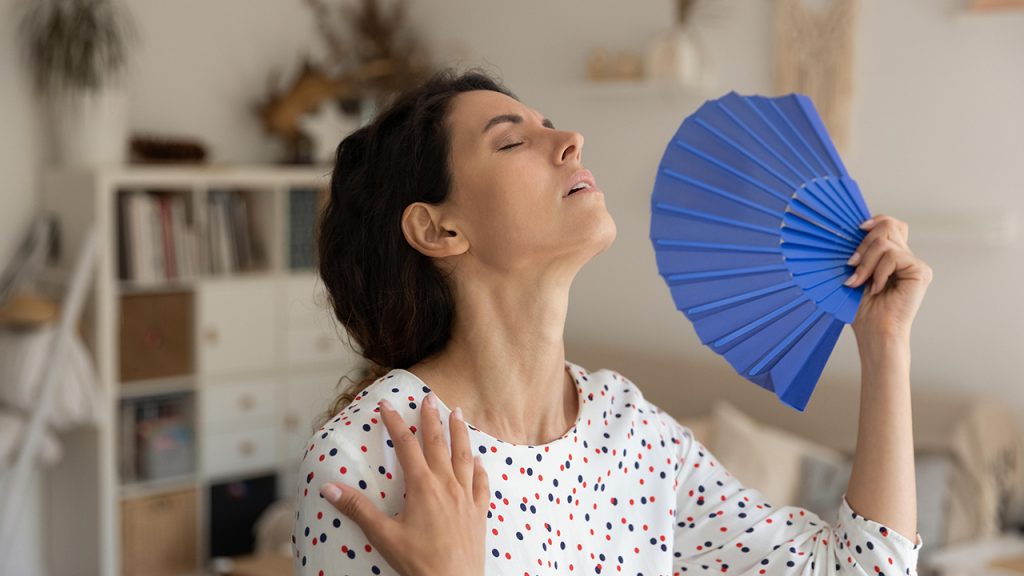
The above are statements made to me by women who experienced hot flashes for a long time. It is ANNOYING and EMBARRASSING.

This is a typical problem that women face during menopause. In order to escape this awkward circumstance, a lot of women even have a tendency to quit their jobs. Let us understand this issue a little more better.

Understanding Hot Flushes

A hot flush, commonly experienced as a sudden and intense sensation of heat affecting the upper body, primarily impacts the face, neck, chest, back, and arms. This phenomenon is characterized by visible redness and can lead to heavy perspiration. In some cases, the sensation may extend throughout the entire body.

The duration of a hot flush can vary significantly, lasting from a few seconds to as long as ten minutes. The frequency of these episodes also varies widely among individuals, occurring several times within an hour, a few times daily, or even just once weekly.

Hot flushes that occur during the night are referred to as night sweats. These can significantly disrupt sleep and are often troublesome. Typically beginning at the onset of menopause, hot flushes may persist for a decade or longer, affecting each individual differently.

Understanding Hot Flushes: Causes, Triggers, and Management

What Causes a Hot Flush?
Hot flushes commonly occur during perimenopause, a phase marked by the onset of irregular menstrual cycles. This period is characterized by significant fluctuations in estrogen levels, which disrupt the brain’s temperature regulation system. As a result, the body attempts to cool down through sweating.

What Triggers a Hot Flush?
Several factors can trigger hot flushes, including dietary and environmental influences, as well as lifestyle habits. Common triggers include:

  • Spicy foods
  • Caffeine
  • Smoking
  • Alcohol consumption
  • Wearing tight clothing
  • Obesity
  • Stress
  • Exposure to warm environments or consuming warm or icy foods

Managing Hot Flushes:

It is essential to consult a healthcare provider annually for reproductive health issues. During these consultations, doctors can offer guidance on managing symptoms of perimenopause, including hot flushes. Treatment options may include hormonal therapies, which help stabilize hormone levels, or non-hormonal strategies, which can alleviate symptoms without using hormone replacement therapies.

Lifestyle Adjustments to Manage Hot Flushes Effectively

To reduce the frequency and intensity of hot flushes, consider making several key lifestyle changes:

Avoid Triggers: Steer clear of known triggers like spicy foods, caffeine, and tobacco. Opt for decaffeinated coffee, limit alcohol intake to one drink at a time, and control smoking habits to minimize occurrences.

Increase Omega-3 Intake: Omega-3 fatty acids, known for their anti-inflammatory properties, may help alleviate hot flushes. Sources include fatty fish like salmon, tuna, and mackerel, as well as vegan options such as flax seeds, chia seeds, and hemp seeds.

Incorporate Plant-Based Estrogens: Consuming foods rich in isoflavones and phytoestrogens, such as soy, tofu, chickpeas, and lentils, may help manage symptoms by mimicking estrogen.

Try Seed Cycling: This technique involves consuming specific seeds at different times of the month to balance hormone levels. For the first 14 days, eat two tablespoons of pumpkin and flax seeds, followed by two tablespoons of sesame and sunflower seeds for the next 15 days. These seeds also offer healthy fats, fiber, and nutrients.

Opt for Natural Fabrics: Wear comfortable undergarments and clothing made from natural fibers like cotton, linen, and bamboo, which are breathable. Dress in layers to easily adjust to temperature changes, and consider light, loose-fitting clothing for additional comfort.

Manage Body Temperature: Start your day with a cold shower to decrease the likelihood of hot flushes. Carry a portable or neck fan when outdoors. For night sweats, use breathable cotton bedding, cooling blankets, or cooling pillows, and keep your sleeping environment cool with air conditioning or fans.

Maintain a Healthy Weight: Address obesity by adhering to a nutritious diet and regular exercise routine. Aim for 30 minutes of mild exercise daily to help manage weight and reduce hot flush occurrences.

Practice Stress-Relief Techniques: Engage in relaxation practices such as yoga, mindfulness, and meditation. Simple deep breathing exercises can also be effective—inhale slowly through the nose, hold your hand on your belly to feel it rise, and exhale slowly through the mouth.

Consider Cognitive Behavioral Therapy (CBT): CBT can be beneficial for reducing anxiety related to hot flushes. It helps in identifying and reforming anxiety-triggering thoughts. Discuss the possibility of CBT with your therapist for tailored advice.

Implementing these strategies can significantly improve your management of hot flushes, enhancing comfort and overall quality of life.

Embracing Menopause with Confidence
Now that you have a better understanding of how to manage and mitigate hot flushes and night sweats, it’s important to remember that menopause is a natural phase of life, not a disease. With the right strategies and care, you can continue to lead a fulfilling and normal life.

We hope this article provides valuable insights for managing menopausal hot flushes and night sweats, helping you maintain a comfortable and balanced life. If you found this information useful, share your thoughts in the comments below. For personalised guidance and support, connect with our certified experts by subscribing to GOQii’s Personalised Health Coaching here.

#BeTheForce

Disclaimer: The information provided in this blog is for general awareness and educational purposes only. It is not intended to replace professional medical advice, diagnosis, or treatment. Always consult a qualified healthcare provider for personalised medical guidance or concerns related to your health.

  • 1
  • 2
  • Next Page »

Search

Recent Posts

  • Navigating the Maze of Nutrition: Finding Clarity Amidst Confusion
  • Get children active and keep them healthy
  • What Gestational Diabetes Can Do To You & Your Unborn Child
  • Breathing – A Forgotten Art
  • The Incredible Benefits Of Milk You Might Not Know

Stay Updated

Archives

  • December 2025 (3)
  • November 2025 (15)
  • October 2025 (20)
  • September 2025 (6)
  • August 2025 (6)
  • July 2025 (12)
  • June 2025 (18)
  • May 2025 (16)
  • April 2025 (23)
  • March 2025 (23)
  • February 2025 (22)
  • January 2025 (26)
  • December 2024 (26)
  • November 2024 (25)
  • October 2024 (22)
  • September 2024 (24)
  • August 2024 (31)
  • July 2024 (21)
  • June 2024 (26)
  • May 2024 (31)
  • April 2024 (27)
  • March 2024 (29)
  • February 2024 (26)
  • January 2024 (25)
  • December 2023 (15)
  • November 2023 (11)
  • October 2023 (22)
  • September 2023 (22)
  • August 2023 (20)
  • July 2023 (22)
  • June 2023 (24)
  • May 2023 (24)
  • April 2023 (24)
  • March 2023 (23)
  • February 2023 (20)
  • January 2023 (16)
  • December 2022 (12)
  • November 2022 (15)
  • October 2022 (15)
  • September 2022 (12)
  • August 2022 (10)
  • July 2022 (17)
  • June 2022 (11)
  • May 2022 (10)
  • April 2022 (6)
  • March 2022 (6)
  • February 2022 (13)
  • January 2022 (12)
  • December 2021 (7)
  • November 2021 (3)
  • October 2021 (6)
  • September 2021 (3)
  • August 2021 (8)
  • July 2021 (7)
  • June 2021 (15)
  • May 2021 (16)
  • April 2021 (10)
  • March 2021 (7)
  • February 2021 (4)
  • January 2021 (4)
  • December 2020 (3)
  • November 2020 (4)
  • October 2020 (10)
  • September 2020 (3)
  • August 2020 (3)
  • July 2020 (2)
  • June 2020 (4)
  • May 2020 (10)
  • April 2020 (12)
  • March 2020 (10)
  • February 2020 (4)
  • January 2020 (4)
  • December 2019 (3)
  • November 2019 (7)
  • October 2019 (5)
  • September 2019 (4)
  • August 2019 (9)
  • July 2019 (9)
  • June 2019 (11)
  • May 2019 (4)
  • April 2019 (9)
  • March 2019 (8)
  • February 2019 (9)
  • January 2019 (8)
  • December 2018 (9)
  • November 2018 (3)
  • October 2018 (3)
  • September 2018 (5)
  • August 2018 (10)
  • July 2018 (6)
  • June 2018 (13)
  • May 2018 (8)
  • April 2018 (18)
  • March 2018 (9)
  • February 2018 (8)
  • January 2018 (15)
  • December 2017 (12)
  • November 2017 (19)
  • October 2017 (13)
  • September 2017 (15)
  • August 2017 (4)
  • July 2017 (8)
  • June 2017 (7)
  • May 2017 (6)
  • April 2017 (8)
  • March 2017 (6)
  • February 2017 (7)
  • January 2017 (9)
  • December 2016 (10)
  • November 2016 (7)
  • October 2016 (7)
  • September 2016 (7)
  • August 2016 (11)
  • July 2016 (9)
  • June 2016 (9)
  • May 2016 (12)
  • April 2016 (17)
  • March 2016 (17)
  • February 2016 (8)
  • January 2016 (6)
  • December 2015 (2)
  • November 2015 (9)
  • October 2015 (7)
  • September 2015 (9)
  • August 2015 (11)
  • July 2015 (9)
  • June 2015 (12)
  • May 2015 (9)
  • April 2015 (13)
  • March 2015 (8)
  • February 2015 (5)
  • January 2015 (12)
  • December 2014 (14)
  • November 2014 (11)
  • October 2014 (6)
  • September 2014 (13)
  • August 2014 (12)
  • July 2014 (6)
  • June 2014 (2)
  • May 2014 (7)
  • April 2014 (5)

From “Laddu Nawin” to Fit and Fierce: How a 25-Year-Old Insurance Advisor Shed 20 Kilos and Gained His Life Back

When 25-year-old Nawin Yadav from Hyderabad walked into his office every morning, he carried more than just his files and policy papers. He had the weight of fatigue, sluggish energy, and an ever-growing belly that was becoming the butt of jokes. “People … [Read More...]

“I’ve Challenged Myself to Live 100 Years” – The Story of Chandubhai Savani’s Second Chance at Life

At 67, most people start slowing down. Not Chandubhai Savani. A resident of Surat, Chandubhai, thought life was on track. “My life was going well till I had my bypass surgery,” he says. That surgery, back in 2021, was a wake-up call.  Medication was routine, but exercise wasn’t. His diet? What he calls ‘normal.’ “I […]

From Shimla’s Slopes to Chandigarh’s Sidewalks: Surinder Kaur Bhalla’s Journey from Chaos to Control

Some journeys start with a plan. Others begin with a stumble literally. Surinder Bhalla, a government professional, born and raised in the scenic hill town of Shimla, had always lived a life of movement. “In Shimla, you walked everywhere,” she reflects. “Walking was never an exercise. It was just life.” But after shifting to Chandigarh, […]

Ananda Mukherjee Health Story

From Terminal Illness To Complete Wellness! Ananda Mukherjee Health Story

As we observe World Cancer Day under the powerful theme ‘United by Unique’ (2025-2027)**, we are reminded that every individual’s journey with cancer is distinct, yet united by shared resilience, hope, and the collective fight against this disease. This theme places people at the centre of care and their stories at the heart of the […]

  • HOME
  • HEALTHY LIVING
  • FITNESS
  • HEALTHY RECIPES
  • USER STORIES
  • KARMA
  • BUY GOQii

Copyright ©2016 GOQii
