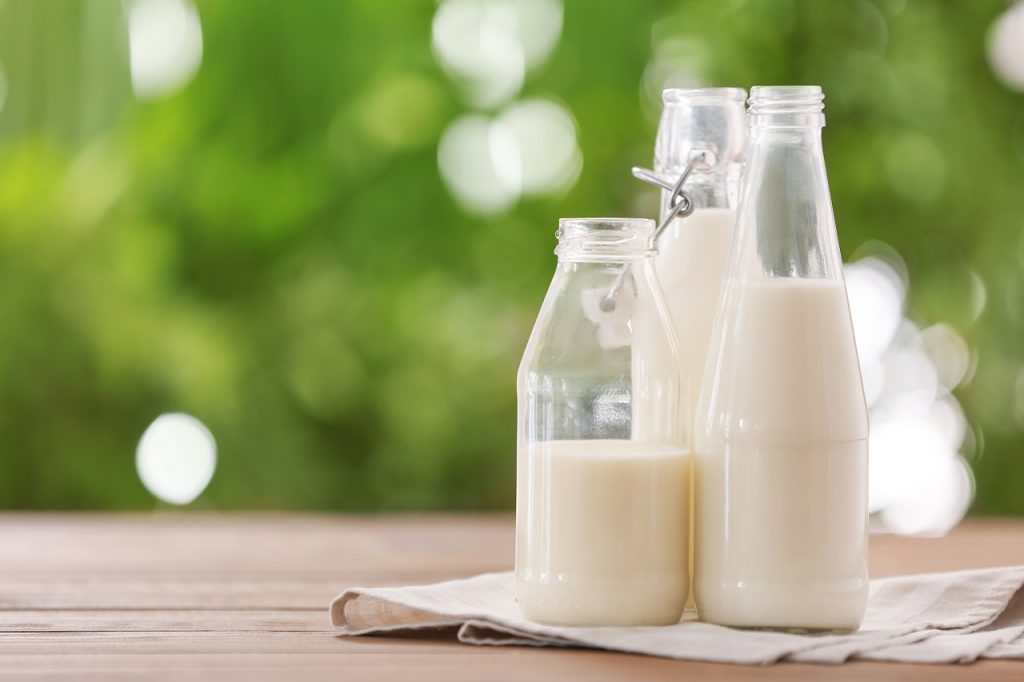
 Milk is the most widely consumed beverage in the world and it’s an important part of a diet for most individuals. The major source of milk in India is from buffalo, cow and rarely from sheep and goat. It is essentially an emulsion of fat and protein in water, along with dissolved sugar (lactose), minerals, and vitamins. These constituents are present in the milk of all mammals, though their proportions differ from one species to another and within species.
Some Awesome Benefits of Milk
Most of us might have learned in school that milk is considered as a complete food. It is because of the presence of all the vital nutrients that the body needs for growth, development and sustenance. Mentioned below are a few of the many incredible benefits of milk.
- Protection against cancer: Studies suggest that Calcium, Vitamin D (in case of fortified milk) and some other milk compounds are important in protecting against certain types of cancers like colorectal and bladder cancer.
- Reducing cardiovascular disease risk: Consumption of low fat milk after adolescence helps in reducing cardiovascular diseases. The presence of Polyunsaturated fatty acids and calcium plays a major role in protection against heart diseases.
- Some studies also show evidence that consumption of milk in required quantities lowers in incidence of Type 2 Diabetes Mellitus.
- For bones and teeth: Since time immemorial, this benefit of milk has been very common and well known to all. Apart from Calcium and Protein, it contains various other nutrients like Zinc, Potassium, Vitamin-A and Vitamin-D (if fortified), that help in maintaining bone health. When taken in required amounts since childhood, milk helps in preventing osteoporosis and other bone fractures.
- Good source of macro and micro-nutrients: It is a good source of energy, protein and other micronutrients like Magnesium, Selenium, Zinc, Riboflavin (Vitamin-B2), Cyanocobalamin (Vitamin-B12) and Pantothenic acid (Vitamin-B5). Therefore, preventing a lot of micronutrient deficiencies.
- Last but not the least, it is an essential component for growth and development and can prevent stunting especially during infancy. Infact, the dietary fat from milk which shows detrimental effects during middle age and elderly, proves to be extremely beneficial during infancy. It helps in preventing undernutrition and malnutrition especially in a population with a low fat intake.
To summarise it all, whole milk is essential for growth and development of infants and children. It is associated with reduced risk of non-communicable diseases like osteoporosis and possibly colorectal cancer and type 2 diabetes. Post adolescence, low fat milk has to be consumed to cut down on the saturated fat intake. Milk and dairy products can represent an important part of a healthy diet, as long as consumption levels are not excessive. However, any diet that exceeds the daily requirements over a period of time can lead to potentially significant health risks.
We hope this article on the benefits of milk helps you. If you are lactose intolerant, you might want to go through this article or consult your doctor, nutritionist or dietitian before consuming milk or dairy products.
For more information on milk, other foods or nutrition in general, speak to an expert by subscribing for GOQii’s Personalised Health Coaching here.
#BeTheForce
Disclaimer: The information provided in this blog is for general awareness and educational purposes only. It is not intended to replace professional medical advice, diagnosis, or treatment. Always consult a qualified healthcare provider for personalised medical guidance or concerns related to your health. Images shown are for representation purposes only and may not depict the exact recommendations or outcomes.
 Up until a few years back, it was considered a very risky practice to eat before swimming. Fortunately, this theory has been proven wrong. For any activity, be it swimming, cycling, running/jogging or strength training, on an empty stomach the fat does burn at a faster rate but the energy reserves will only last for a short span of time. Lesser energy = less intense training. Hence, the workout will also last for a short period and there might also be a greater risk of strains and other injuries due to exercise related fatigue. Working out on an empty stomach also increases the chances of overeating post workout, thus, all the benefits of the workout will be lost.


