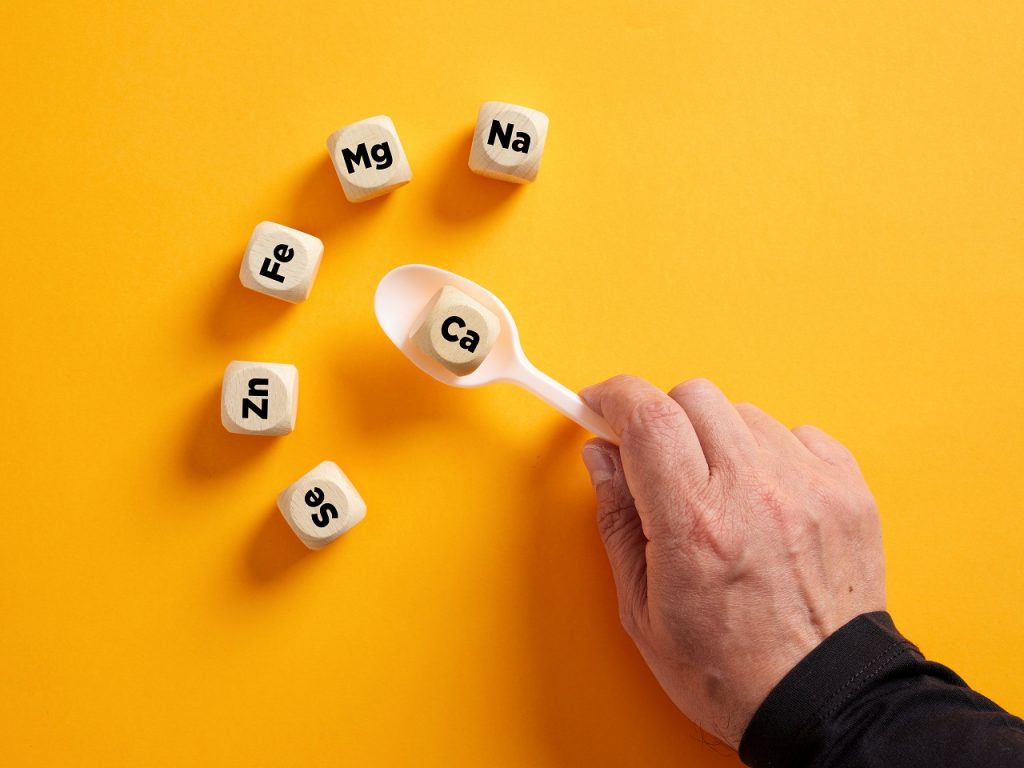
 The most challenging case for a Dietitian is perhaps – Weight Loss! Why – because, each case is unique and the most important task is to find out the root cause of weight gain (which, contrary to popular belief, is not always overeating or lack of physical activity). It is prudent that the underlying cause be identified and targeted, not only to ensure sustainable weight loss but also because these reasons are linked to diseases in waiting as well. Genetic predisposition, low BMR, stress, lack of sleep, hormonal disturbance, chronic mild dehydration, lack of certain dietary minerals, etc. are few recognized causes of weight gain.
However, if adjusting your diet, water intake, exercising more and controlling your stress and sleep hasn’t helped you reach a healthy body weight, check your mineral status. Mineral deficiency often happens slowly over time and can be caused by an increased need for one or more dietary minerals, lack of dietary minerals in the diet, or difficulty absorbing minerals from food. You may be suffering from deficiencies because the nutritional value of the produce has been steadily degrading for the last couple of decades. Increased intake of processed foods is another reason which deprives you of not only fiber, but many vitamins and minerals.
4 Major Dietary Minerals Associated With Weight
Since the deficiency symptoms of these minerals are largely general, they go unnoticed and hence get overlooked while diagnosing unexplained weight. Let’s discuss four major dietary minerals (or their deficiencies) that are directly or indirectly associated with your weight.
1. Chromium
It is an essential mineral that regulates insulin action and its effects on metabolism. Insulin is essentially the fat-loss gatekeeper, so anything that improves Insulin efficiency is great for fat loss. Chromium determines the way our body uses Insulin. The Glucose Tolerance Factor (GTF) interacts with Insulin and regulates how much Glucose (sugar) enters a cell. GTF encourages energy production (burns calories) and may also curb feelings of hunger.
Identifying the link between Chromium and weight loss is crucial because someone who is overweight is often at high risk of becoming Insulin Resistant (Diabetic). Chromium is lost in the process of refining foods. For example, when sugarcane is refined into white sugar, 93% of Chromium is lost. Because our soils are depleted of Chromium and because we consume more processed foods nowadays, Chromium deficiency is becoming increasingly prevalent.
2. Iodine
The Thyroid Gland depends on Iodine to manufacture the Thyroid Hormone. The Thyroid’s main function is to manage the body’s metabolism. A shortage of Iodine can cause changes to the Thyroid Gland and an underactive Thyroid Gland slows your metabolism; you thus burn dramatically fewer calories and feel sluggish. Also, an underactive Thyroid Gland promotes excess weight and cellulite by causing water retention.
Inadequate intake of Iodine was once a recognized problem that was solved by universal Iodization of Salt. Salt was fortified with Potassium Iodate to ensure controlled consumption by all sections of society. Once this was done, the obvious symptoms of severe Iodine Deficiency disappeared from view, and little further thought was given to the matter, though sub-clinical symptoms remained. Today’s health conscious consumers have lowered their salt intake and now fail to get even that small amount of Iodine in their diets. Presence of Goitrogens in certain foods is another cause of Iodine deficiency arising from inadequate Iodine utilization.
3. Magnesium
It is needed to extract nutrients from food and for optimal Insulin function. The more nutrients you extract from food, the less you have to eat to feel full. When we aren’t getting what we need from our diet, the body will crave more food in an effort to obtain those vital nutrients. Magnesium is also a vital nutrient for reducing stress, which is one of the most important keys in fighting obesity.
It supports healthy Adrenal Glands that control the release of Adrenaline and Cortisol – two hormones related to stress response. While these hormones are vital to living, too much of them can cause weight gain and other health problems. Magnesium helps regulate these hormones so they are not overproduced.
One of the major causes of Magnesium deficiency is over-medicating with pharmaceutical drugs. They prevent the body from absorbing magnesium.
4. Iron
It is a critical nutrient because it is essential for the synthesis of Hemoglobin – a metalloprotein that carries oxygen from lungs to all the tissues in body. Diminished oxygen carrying capacity can leave you feeling very fatigued, lethargic and irritable. In this state, your body signals you to slow down physical activity and you may find yourself seeking opportunities to sit or lie down, thus leading to weight gain.
Also, low Iron promotes fat storage and cause abnormal blood sugar elevation. Reasons responsible for iron deficiency can be dietary as well as non-dietary. Your excess body weight too can contribute to Iron deficiency. Inflammation associated with excess body weight elevates a hormone Hepcidin, which has the net effect of reducing Iron absorption from digestive tract.
Now, before you finish reading this article and jump to quick fix by googling for these mineral supplements, a word of caution – Overdose of these minerals, especially from synthetic sources, are extremely harmful. Do not take these minerals as supplements without professional guidance. Consult a doctor, nutritionist or a dietitian before making any changes to your diet or taking any supplements.
You may improve your mineral intake by following the golden rule – Go low on processed foods and buy your foods fresh, local and seasonal to remove any possible degradation in nutrient quality. Don’t eat less, eat right and live a healthy and active life!
We hope this article on dietary minerals helps you. For further guidance on nutritional deficiencies and to lose weight in a sustainable manner, reach out to an expert by subscribing for GOQii’s Personalised Health Coaching here.
For more articles on weight loss, check out Healthy Reads.
#BeTheForce
Disclaimer: The information provided in this blog is for general awareness and educational purposes only. It is not intended to replace professional medical advice, diagnosis, or treatment. Always consult a qualified healthcare provider for personalised medical guidance or concerns related to your health.
 Pulling someone out of bed for a workout can really be a task! In the field of health and fitness, we have come across people giving some very fickle excuses that are just not valid. We are writing this article not to help you make those excuses, but to convey the fact that these excuses are invalid. We need to get stronger and workout harder!
 When you embark on a wellness journey involving GLP-1 therapy, the scale often becomes your primary focus. You see the numbers dropping, and it feels like a victory. But here’s the million-dollar question: What exactly are you losing? One of the most critical aspects of GLP-1 therapy is its ability to help you eat less, but that comes with a biological challenge. If we don’t pay attention to how we eat protein, our bodies may begin to break down precious muscle tissue instead of just fat. This is where the concept of the “Protein Ceiling” becomes your most important tool for metabolic health.
 Most dietary advice seems to be fixated on labels: “keto”, “vegan”, “paleo”, “low fat”, “high protein”, “clean eating.”


