 While personal hygiene and social distancing measures are essential to stay safe, we can also turn to traditional Ayurvedic wisdom to raise immunity levels. As a holistic health system, Ayurveda has always regarded disease prevention as the key to maintaining health. Accordingly, a great amount of Ayurvedic literature focuses on diet, lifestyle, and home remedies to boost immunity. Since there’s already plenty of information on immunity boosting foods and remedies, we are going to put the spotlight on foods that are bad for immunity.
8 Foods That Are Bad For Immunity
- Fried Foods: We love our fried foods, from samosas to bhajias, but it’s time to make some sacrifices. Whether it’s farsan or burgers, all fried foods are loaded with fats, including trans fats. This is known to trigger inflammation, weakening immune function. So, although you might be eating home cooked meals during this time, try to skip the fried and deep fried foods. This will help to keep your immune function strong.
- Sodas and Colas: Even if we are not that addicted to sodas yet, now would be a good time to curb the habit. It really doesn’t matter if you only drink diet soda or carbonated drinks with ‘no added sugar’. They are all artificially sweetened and have no nutritional value whatsoever. Phosphoric acid, which is present in most sodas, depletes calcium and magnesium levels, both of which are vital for good immune function.
- Canned Soups: In our current state of lockdown, canned foods like canned soups may seem like the healthiest choice. Unfortunately, the convenience of such instant foods comes with a price. Most instant soups (and other instant foods for that matter) contain high amounts of sodium, corn flour, maltodextrin, and other artificial preservatives and flavoring agents. These ingredients are known to increase the risk of lifestyle diseases and infections because of impaired immune function.
- Sugary Snacks: Ayurveda has always recognized the risk posed by artificially sweetened foods. This ancient wisdom is now accepted as a scientific fact, as we know that high sugar intake triggers chronic inflammation and suppresses the immune function, making you more vulnerable to all types of infections – viral, bacterial and fungal. Ice cream, pastries, and chocolates may be your comfort foods but they are simply not a good way to survive social isolation.
- Red Meats: are to be strictly avoided according to Ayurveda to protect against infection. A sugar called Neu5Gc is found in red meats and unlike fruit sugars, this sugar is not digested by the body. Instead, it is absorbed into tissue and triggers inflammation and suppresses immunity. Additionally, red meats are also high in fats that we know are bad for immunity.
- Foods with MSG: MSG came into the spotlight some years ago when instant noodles were briefly off the shelves. Sadly, the ingredient hasn’t disappeared altogether and you’ll find it in a whole lot of processed and instant foods. Look at those food labels carefully. MSG is bad for your immunity as it causes oxidative stress to the thymus and spleen, which are vital for healthy immune function.
- Alcoholic Beverages: Although Ayurveda recognizes the medicinal value of natural alcohols, recreational consumption of alcoholic beverages is regarded as toxic to the body. Alcoholic beverages are known to have high sugar content, impair sleep, increase inflammation and damage the gastrointestinal lining. This severely impairs immunity and increases vulnerability to infections.
- Caffeinated Beverages: The need for harmonious living in accordance with the rhythms of nature is central to Ayurveda. Stimulants like caffeine can disturb this natural rhythm, especially when consumed later in the day. This is known to impair sleep, which is vital for strong immunity. Caffeinated drinks are also known to increase acidic levels in the body, which can increase inflammation and suppress immunity.
Reconnecting with our rich heritage of Ayurveda can help us through these tough times. Remember, Ayurveda is not about restriction but balance and harmony. So, in addition to eliminating these bad food choices, try using immunomodulatory herbs like tulsi, amla, and neem to boost immunity and stay safe from infections.
We hope this article on foods that are bad for immunity helps you make a positive shift to a healthier lifestyle. For more on Healthy Living, check out Healthy Reads or ask a GOQii Coach by subscribing for personalized coaching here: https://goqiiapp.page.link/bsr
#BeTheForce
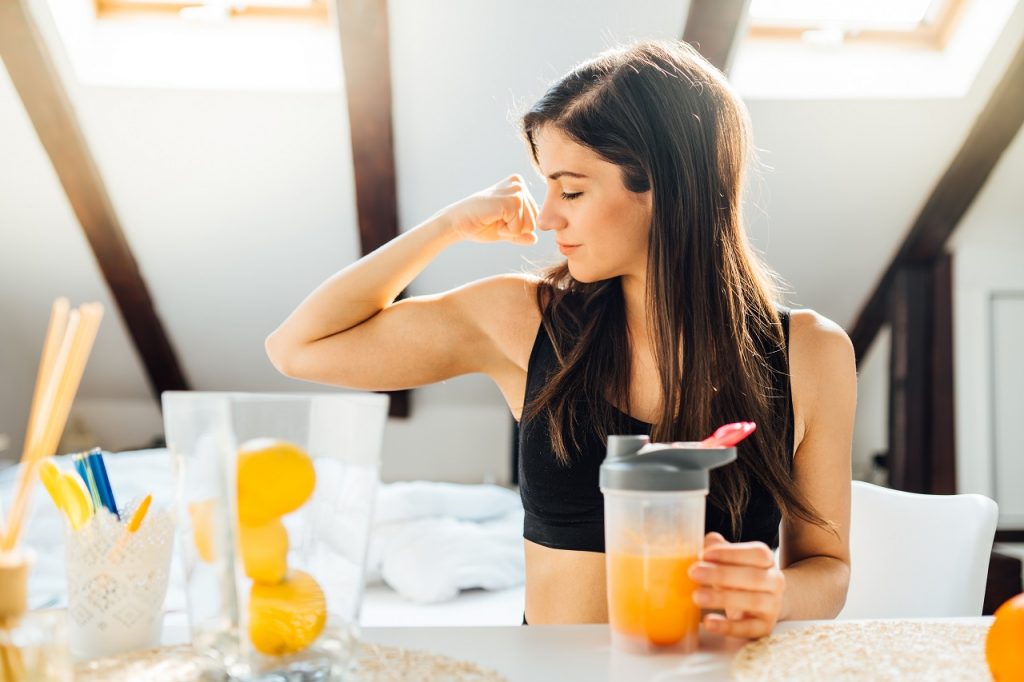 We take our immune systems for granted at most times. With the heightened threat of COVID-19 infection that is something, we can no longer afford to do. Boosting your immunity doesn’t require drastic action however. By digging into our rich Ayurvedic traditions we can find plenty of helpful information. In fact, Ayurveda’s primary focus has always been on disease prevention, rather than treatment. This means that it contains a vast repository of knowledge on strategies to strengthen and support natural functions, including immunity.
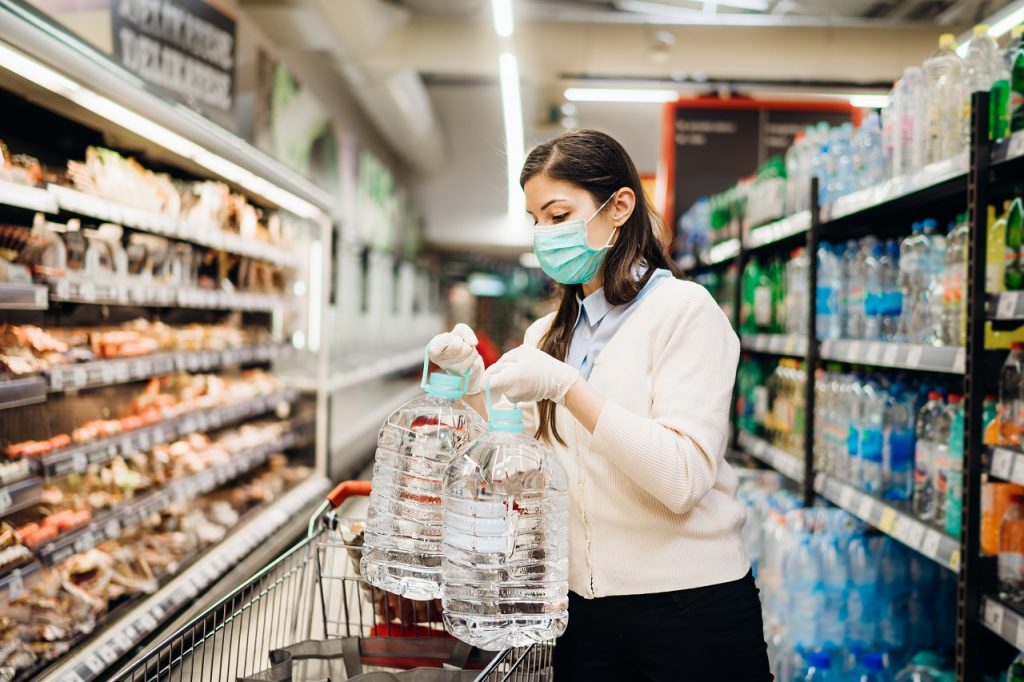 With the second wave of COVID-19 and all of us being home, we must be very vigilant when we step out for those essentials that we need. While it is most advisable to stay home completely, one may need essentials like everyday groceries and medicines for basic sustenance. The first choice is of course to go out, and use online stores if available (although this may also have its own supply chain issues). Many societies are also organizing deliveries to flats or having a vendor come into the society. While these solutions can be used by some, there are certain cases where one has to go out. In these cases, it is important to do what one can to protect oneself. So, what should we do to protect ourselves and others when shopping for essentials?
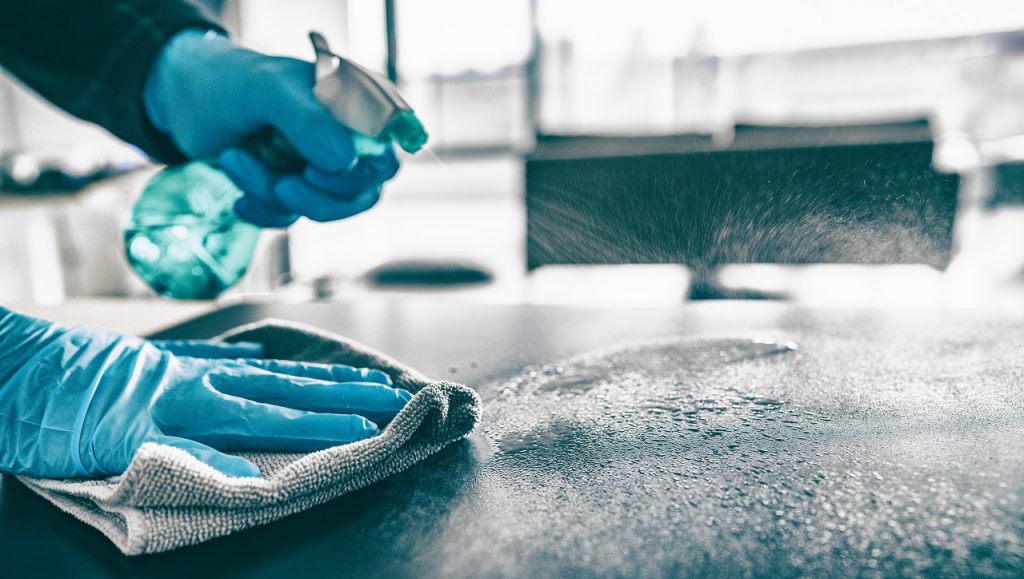 With the coronavirus pandemic showing no signs of abating, it’s up to us to do everything we can to slow its spread. This means protecting ourselves, our families, and those around us, especially the most vulnerable. While social distancing is the most important thing that you can do in this regard it is also important to pay more heed to hygiene. Sanitization and disinfection of your home and surroundings is something that you can actively do to lower the risk of contagion. Although contact with contaminated surfaces is not the primary mode of transmission of COVID-19, it can increase your risk. According to the US Centers for Disease Control and Prevention (CDC), contact with contaminated surfaces is a likely secondary mode of infection. Before you attempt to clean and disinfect your home in panic, take a breath and calm down. To effectively disinfect your home and lower the risk of coronavirus infection, find out which products work, how you should use them, and which areas of your house require your attention.


