GOQii

Blog

  • HOME
  • HEALTHY LIVING
  • FITNESS
  • HEALTHY RECIPES
  • USER STORIES
  • KARMA
  • BUY GOQii

October 4, 2024 By Anusha Subramanian Leave a Comment

A ‘Smile’ a day keeps the ‘Blues’ away

The benefit of smiling is a subject which isn’t discussed much. You might be wondering, how a smile can have an impact on your health, considering that it is just an expression you make. Today, we are going to find out how a smile can bring about a change in our lives and how it contributes to our well being.

  1. Mood Enhancer:

Did you know that smiling releases endorphins into the brain? Endorphins fight pain and stress just like morphine and other painkillers. They boost your mood and take your mind away from whatever it is that’s distracting you. The best part is that it is totally free of cost, nobody can charge for cracking a smile. So stop investing in drugs and smile more often, for a free of cost mood enhancer.

  1. Heart Friendly:

Are you someone who has a history of heart diseases? Is your blood pressure high? If yes, smiling is an excellent companion for you. Studies show that smiling reduces the heart rate and helps the body to relax. This enables the heart to work without putting much strain. So smile more often and be the proud owner of a healthy heart.

  1. Productivity Accelerator:

Ever wondered why those silly internet memes or funny videos between work, helps you relax and work faster later on? You smile when you see them and it accelerates your productivity. Smiling more often is believed to increase your productivity at work or any other areas of life. Are you someone who enjoys whistling while you work? This is very similar. Now you know what to do when you feel like you are slowing down.

  1. Induces Empathy:

We find ourselves in embarrassing situations on a regular basis. Whether you are at home or work, these situations are always lurking in every corner. The first response to an embarrassing moment is a smile. This helps in breaking the ice and makes others be more lenient about what they think of you, thereby inducing a sense of empathy in them.

  1. Natural Painkiller:

As I mentioned earlier, smiling releases endorphins into the brain which helps in reducing the sensation of pain and also lifting our mood. The next time you hurt yourself, try to keep a smile on your face and the pain will start reducing.

  1. Builds Immunity:

Smiling helps the body to relax and this helps the immune system to react better when invaders come knocking at the door. Add some smile to your daily dose of proteins and vitamins, for a strong immunity system.

  1. Lasting Longevity:

Taking all the above factors into consideration, we can easily conclude that people who smile more, live longer because it reduces stress, helps your heart and does much more in keeping you healthier for a longer time. Smile more and live longer!

In summary, the impact of a smile is truly remarkable. It serves as a natural mood enhancer, contributes to heart health, boosts productivity, fosters empathy, acts as a natural painkiller, strengthens immunity, and even promotes longevity. So, make it a daily practice to curve those lips upwards. A smile a day not only keeps the blues at bay but could also be your recipe for a healthier, happier life!

#BeTheForce

Disclaimer: The information provided in this blog is for general awareness and educational purposes only. It is not intended to replace professional medical advice, diagnosis, or treatment. Always consult a qualified healthcare provider for personalised medical guidance or concerns related to your health.
September 10, 2024 By Anusha Subramanian Leave a Comment

The Easiest & Healthiest Way to Get Active!

World Bicycle DayEver wondered why we do what we do? Why we get up at dawn on any given day, including Sundays? The reason is simple for many of us: it’s either for running or cycling. It’s like a ritual and a moment for ourselves. If you’re into running or cycling, you’ll connect well with what I’m saying. It’s an addiction—and a good one to have!
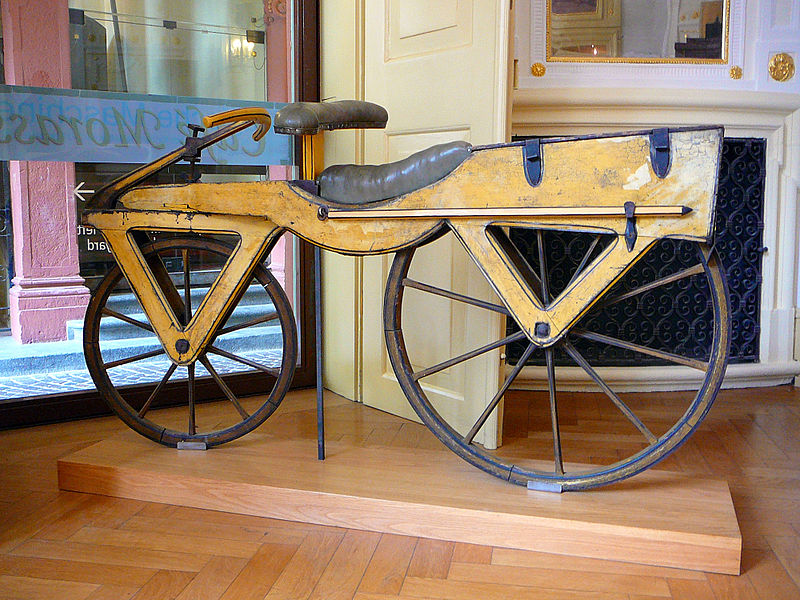
I have always been interested in history and like to delve deep into understanding how a particular concept evolved. As I was researching a bit on cycling, I came across the fact that the concept of cycling was invented by Baron Karl von Drais, a prolific German inventor way back in the year 1817. Interestingly, what he invented was not exactly the bicycle which we know and use. He invented the walking machine that helped him walk in the royal gardens faster. This device had wheels but didn’t have any gears, chains, and pedals. Also, it moved ahead by pushing his feet against the ground. With an improvement in this technology, this crude device was eventually transformed into the modern-day bicycle.

World Bicycle Day

Source: Wikipedia

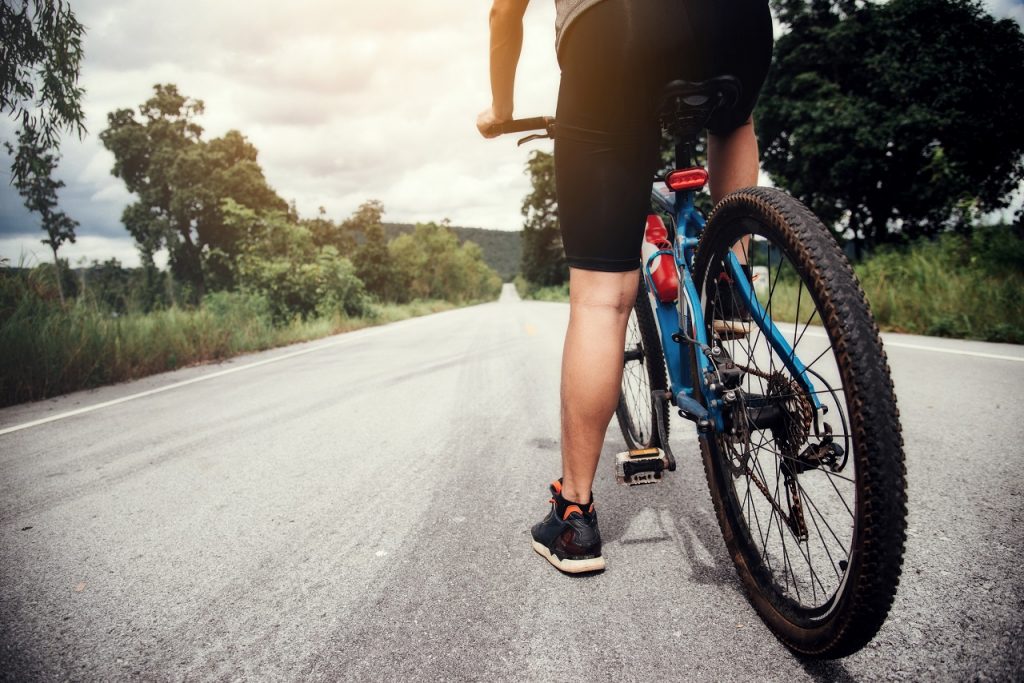
Riding a bicycle is a good aerobic and cardio activity. If cycling is done on a regular basis, it can deliver lots of health benefits.

This simple form of physical exercise helps in bettering your physical and mental health. It is a low impact form of exercise that helps all ages.

Some Benefits of Riding a Bicycle

  • Improves cardio health by strengthening heart muscles
  • Lowers resting pulse rate
  • Reduces blood fat levels
  • Tones muscles and increases flexibility
  • Uses both upper body muscles such as chest, shoulders, arms, abs and the back as well as leg muscles such as quadriceps (front thighs), hamstrings (rear thighs), glutes, calf muscles and your hip
  • Better blood circulation due to flexibility brings about good joint mobility

Having talked of some of the basic health benefits a simple cycling activity can offer, it also acts as a cheap mode of transport and is environmentally friendly.

In today’s time where we are fraught with terrible environment damages and increased carbon footprint due to many vehicles on the roads, cycling is one way we personally can resort to, to be environmentally conscious. It is reported that Cycling 10 km every day can prevent the emission of at least 1.3 tonnes of greenhouses gases annually.

For beginners who want to take up cycling for regular fitness, start slow as we always say for every other athletic sports such as running. On you first day of cycling, you should not ride for more than 20 minutes. Slowly and steadily get used to the cycle as well as the body movements and then increase the intensity as you go along.

Few Things to Follow When You Take Up Cycling

  • Safety Measures: Safety is the first and foremost thing to adhere to while taking up cycling either for health, as a regular sport or as a mode of transport. Never ride a cycle in the outdoor without a proper cycling helmet. Helmet prevents a head injury in case of an accident.
  • Proper Clothing: It is important to wear well-fitting clothes. Loose clothes may get stuck during cycling and cause serious problems. Especially if you are riding in the outdoors
  • Be Hydrated: Always have plenty of water at hand. Drink water frequently to make up for the possible dehydration caused due to physical activity.
  • Stretching: Stretching your muscles is important because it warms up the body and prepares it for the intense physical activity of cycling.

Cycling is an interesting way to keep you healthy physically, mentally and environmentally.

We hope this blog inspires you to hop on a bicycle and start pedaling your way to better health! Share your cycling experiences with us in the comments below. For more fitness tips, speak to a certified expert by subscribing to GOQii’s Personalised Health Coaching here.

#BeTheForce

July 31, 2024 By Anusha Subramanian 3 Comments

How to choose proper footwear?

footwear

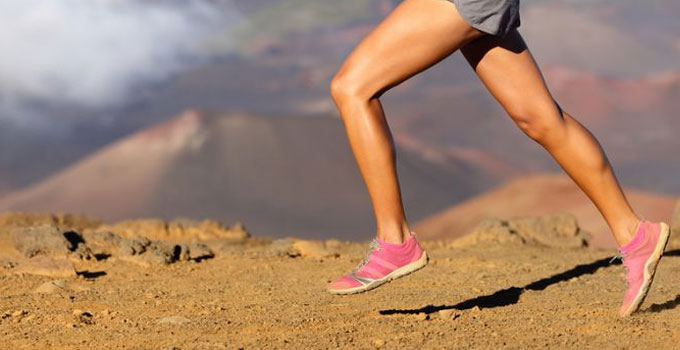
One of the most common questions asked by people before starting any type of workout regime is what shoes do we get? Imagine walking 100 km or running 42 km or hiking or trekking without proper shoes. It could just be disastrous. And history is a witness that most people back out from such challenges midway not because of lack of motivation or because they are tired. But give up largely due to foot injuries caused due to bad shoes.

Why it is important to choose the right footwear?… A very Important aspect of workout which is often neglected.

A good workout is achieved with good footwear. Bad shoes can derail all the efforts that you have put into your workouts and bring your fitness to a standstill due to injury. Strenuous outdoor workout or long distance running puts increased amount of pressure on your feet and therefore wearing the right shoes are important to prevent injury.

According to University of Illinois’ McKinley Health Centre’s note on foot type and proper footwear, foot problems are one of the most common health complaints. The high incidence of foot problems is understandable given the fact that there are 26 bones, 33 joints, 112 ligaments, and tendons, nerves, and blood vessels in the foot. It’s even more understandable when the weight of the body is considered. The force of the body weight borne by the foot increases roughly 1½ times during walking and up to 3-4 times during running. Add in 10,000 steps during a typical day while wearing ill-fitted shoes possibly, and it’s a wonder one’s feet are willing to get out of bed the next day.

A condition called Plantar Fasciitis i.e. damage and inflammation to Plantar Fascia (a connective tissue on the sole of foot forming the inner arch) is caused due to repetitive activity creating a strain on the plantar fascia.

Another common condition often faced by people is Achilles Tendonitis i.e. tissue damage and pain to Achilles Tendon caused during the contraction of the calf muscles. When the calf muscles contract some amount of tension is created on the Achilles Tendon and Wrong footwear further adds to that stress.

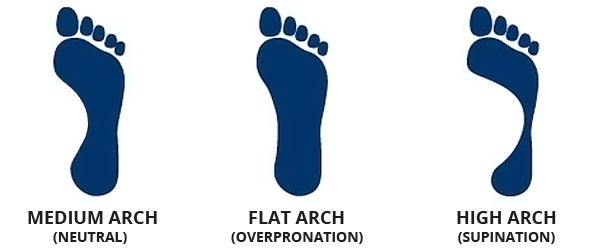
Let us now understand the three main categories of foot types :

1: Normal (Medium) Arch: If you see about half of your arch region filled in, you have the most common foot type. Usually, this means you have an arch that naturally supports your bodyweight and pronates normally under load. Some pronation or “rolling in” of the foot is desirable and acts as a natural shock absorber. Most runners with this pattern can wear just about any shoe.

2: Flat Floot (Absent curve): If the arch of your footprint is filled in, it’s likely that your foot collapses inward when you run. This acts as a shock absorber, but the additional rolling in of your foot may stress your feet and knees, adding to your injury risk. Usually, it is recommended that shoes with more stability, such as internal wedges that build up the arch side, dual-density midsoles, and supportive “posts,” or wider, more substantial midsoles be used.

3: More or High Arch: If your footprint shows little or no contact along the outside edge and you see just your heel and the ball of your foot, you have a “high” arch. Your foot may not roll in much when you run, but it doesn’t absorb much shock. We would usually recommend you use a well-cushioned shoe with little or no arch support or stability features.

three main categories of foot


Here are a few basics to keep in mind

  1. A good shoe must be very comfortable and must provide good cushion
  2. Good grip on the floor to avoid sliding or skidding
  3. It is important to understand your foot type. Visit a store that specializes in all kinds of sporting and athletic footwear. The associates there can help you find a shoe that’s appropriate for your foot type, the way you walk, and your sport.
  4. The right time to buy a shoe is in the evening when your feet are tired and there is more swelling in the feet.
  5. For Sportspersons variety of shoes are available depending on the type of sport.
  6. Running shoes have inbuilt shock absorbers, walking shoes are light weight and for Hiking one can choose low, mid or high cut shoes. High cut shoes or commonly known as Ankle shoes protects the ankles and provides more protection. And, finally, there are the cross training shoes which are suitable if you do more than one type of workouts.
  7.  One size larger than your usual shoe size is better in terms of trekking and trail running shoes.

A good shoe must support your foot, front and back and provide protection, stability, and good shock absorption.

We hope this article helps you choose the right footwear for your activities. Is there an interesting way you select your workout shoes? Let us know in the comments below. For more tips on fitness and health, check out Healthy Reads or speak to a certified expert by subscribing to GOQii’s Personalised Health Coaching here.

#BeTheForce

Disclaimer: The information provided in this blog is for general awareness and educational purposes only. It is not intended to replace professional medical advice, diagnosis, or treatment. Always consult a qualified healthcare provider for personalised medical guidance or concerns related to your health.

June 28, 2024 By Anusha Subramanian Leave a Comment

Monsoon Magic: Navigating the Lush Trails of Sahyadri Safely

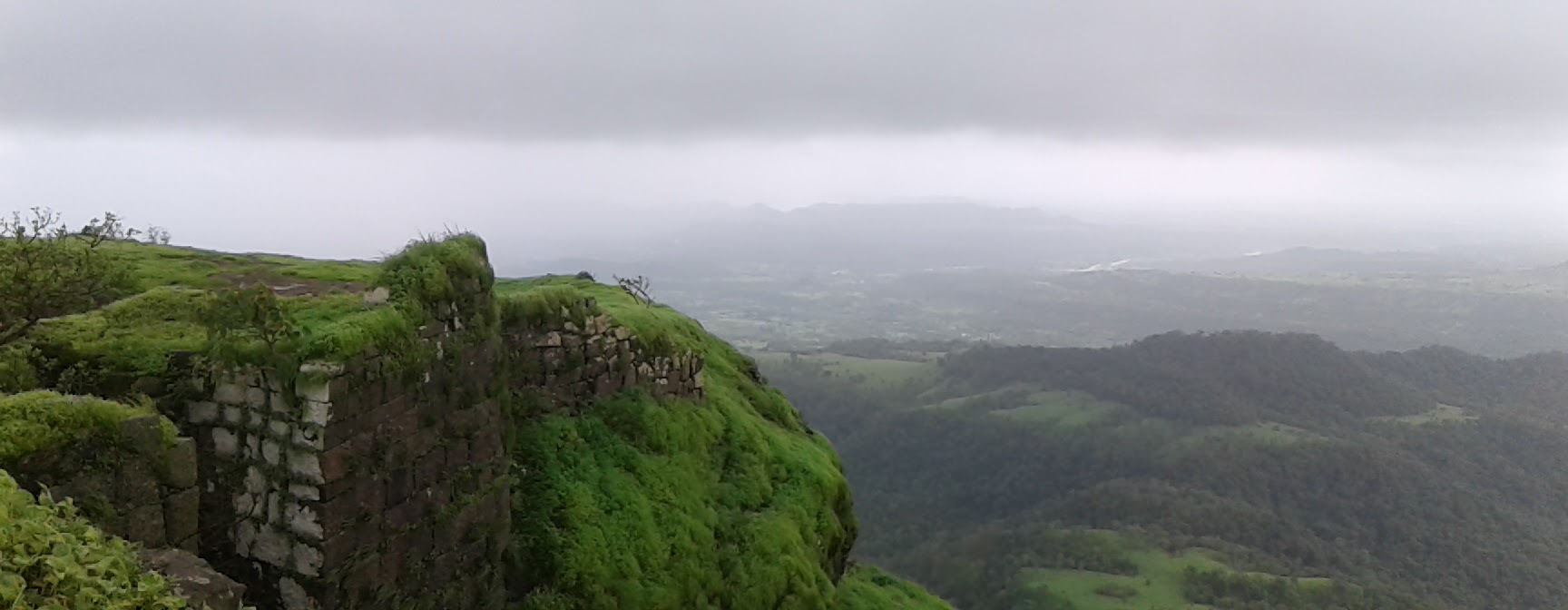
Trekking in the Sahyadri ranges during the monsoon season offers a mesmerizing experience with lush green landscapes, cascading waterfalls, and the fresh aroma of wet earth. The monsoons transform the Sahyadri into a verdant paradise, attracting numerous trekkers and nature lovers.

So, what makes trekking so enjoyable and rejuvenating? Is it so difficult that only a select few can do it? These questions are best answered by experiencing a trek first hand. For those still trying to decide whether to venture into trekking, let me give you a sneak preview.

While trekking, you may find yourself stuck or simply in awe of the untouched beauty around you. This beauty, often missed while traveling by car, embeds itself permanently in your memory. Trekking involves confronting new situations throughout the day, making each little thing a cherished memory for life. Human togetherness becomes simple in the face of this challenging lifestyle for otherwise confused and unprepared minds.

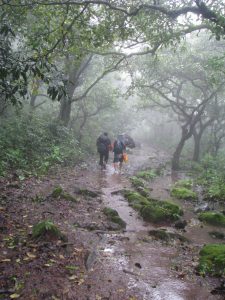
Trekking during the monsoon season comes with its own set of challenges and requires careful planning and preparation. The trails can be slippery due to rain and mud, increasing the risk of slips and falls. Streams and rivers can swell suddenly, making crossings risky. Visibility can also be reduced during heavy rains, which may lead to disorientation.

Essential Skills and Preparation

Contrary to popular belief, trekking is not tough. If you know how to walk, you can trek. However, this doesn’t mean venturing into unknown territories alone. Walking along a trail with a backpack doesn’t require exceptional skills but does require physical fitness, planning, the right clothes, shoes, and above all, common sense.

A first-time trekker should start with easy, effortless trails of about an hour and gradually work up to longer, more difficult treks. The difficulty of any trek depends on the terrain’s hilliness and altitude. Most walking trips tailored for moderately active people cover gentle terrain at low altitudes, with optional shorter routes and breaks along the trails. This applies to treks in Maharashtra or in South India.


Respecting Nature and Safety

Respecting nature and the environment is crucial while trekking. Living in harmony with nature during a trek rewards you with an enriching feeling of rejuvenation.

Here are some tips for safe trekking in the Sahyadris’ during the monsoons:

Proper Gear: Equip yourself with good quality, non-slip trekking shoes, a waterproof jacket, and quick-dry clothing. A sturdy walking stick can also provide additional support on slippery trails. Choose a well-fitted backpack with multiple pockets, padded shoulder straps, and large zipper closures. The base should sit on your hips, and the top should be at least one hand-width below the base of your neck.

Essentials in Your Day Pack: At least 2 litres water, Swiss Army knife, Map if you have one, compass, a rain jacket or a poncho is a must.

Stay Informed: Check the weather forecast before setting out and be prepared for quick weather changes. Avoid trekking during a heavy downpour or when thunderstorms are predicted.

Experienced Company: It’s safer to trek with experienced and certified guides who know the area well and can navigate safely through challenging terrain. Avoid going with information posted by groups on social Media.

First Aid Skills: A basic first aid course is beneficial. At the very least, know how to bandage a wound and detect signs of dehydration and heatstroke. However, in the absence of not knowing first aid, ensure your guide is first aid trained.

Emergency Preparedness: Carry a basic first aid kit, a whistle for emergency signals, and keep your mobile phone fully charged for emergencies. Inform someone about your trekking plans and expected return time.

Environmental Awareness: Be mindful of the flora and fauna. The monsoon is a crucial breeding season for many species, and it’s important to tread carefully and respect wildlife habitats.

Trekking in the Sahyadri during the monsoons can be a thrilling and rejuvenating experience if done with caution and respect for nature. With the right preparations and safety measures, you can enjoy the breath taking beauty of the rain-soaked Sahyadri safely.

Happy Trekking!

#BeTheForce

  • « Previous Page
  • 1
  • 2
  • 3
  • 4
  • …
  • 30
  • Next Page »

Search

Recent Posts

  • Navigating the Maze of Nutrition: Finding Clarity Amidst Confusion
  • Get children active and keep them healthy
  • What Gestational Diabetes Can Do To You & Your Unborn Child
  • Breathing – A Forgotten Art
  • The Incredible Benefits Of Milk You Might Not Know

Stay Updated

Archives

  • December 2025 (3)
  • November 2025 (15)
  • October 2025 (20)
  • September 2025 (6)
  • August 2025 (6)
  • July 2025 (12)
  • June 2025 (18)
  • May 2025 (16)
  • April 2025 (23)
  • March 2025 (23)
  • February 2025 (22)
  • January 2025 (26)
  • December 2024 (26)
  • November 2024 (25)
  • October 2024 (22)
  • September 2024 (24)
  • August 2024 (31)
  • July 2024 (21)
  • June 2024 (26)
  • May 2024 (31)
  • April 2024 (27)
  • March 2024 (29)
  • February 2024 (26)
  • January 2024 (25)
  • December 2023 (15)
  • November 2023 (11)
  • October 2023 (22)
  • September 2023 (22)
  • August 2023 (20)
  • July 2023 (22)
  • June 2023 (24)
  • May 2023 (24)
  • April 2023 (24)
  • March 2023 (23)
  • February 2023 (20)
  • January 2023 (16)
  • December 2022 (12)
  • November 2022 (15)
  • October 2022 (15)
  • September 2022 (12)
  • August 2022 (10)
  • July 2022 (17)
  • June 2022 (11)
  • May 2022 (10)
  • April 2022 (6)
  • March 2022 (6)
  • February 2022 (13)
  • January 2022 (12)
  • December 2021 (7)
  • November 2021 (3)
  • October 2021 (6)
  • September 2021 (3)
  • August 2021 (8)
  • July 2021 (7)
  • June 2021 (15)
  • May 2021 (16)
  • April 2021 (10)
  • March 2021 (7)
  • February 2021 (4)
  • January 2021 (4)
  • December 2020 (3)
  • November 2020 (4)
  • October 2020 (10)
  • September 2020 (3)
  • August 2020 (3)
  • July 2020 (2)
  • June 2020 (4)
  • May 2020 (10)
  • April 2020 (12)
  • March 2020 (10)
  • February 2020 (4)
  • January 2020 (4)
  • December 2019 (3)
  • November 2019 (7)
  • October 2019 (5)
  • September 2019 (4)
  • August 2019 (9)
  • July 2019 (9)
  • June 2019 (11)
  • May 2019 (4)
  • April 2019 (9)
  • March 2019 (8)
  • February 2019 (9)
  • January 2019 (8)
  • December 2018 (9)
  • November 2018 (3)
  • October 2018 (3)
  • September 2018 (5)
  • August 2018 (10)
  • July 2018 (6)
  • June 2018 (13)
  • May 2018 (8)
  • April 2018 (18)
  • March 2018 (9)
  • February 2018 (8)
  • January 2018 (15)
  • December 2017 (12)
  • November 2017 (19)
  • October 2017 (13)
  • September 2017 (15)
  • August 2017 (4)
  • July 2017 (8)
  • June 2017 (7)
  • May 2017 (6)
  • April 2017 (8)
  • March 2017 (6)
  • February 2017 (7)
  • January 2017 (9)
  • December 2016 (10)
  • November 2016 (7)
  • October 2016 (7)
  • September 2016 (7)
  • August 2016 (11)
  • July 2016 (9)
  • June 2016 (9)
  • May 2016 (12)
  • April 2016 (17)
  • March 2016 (17)
  • February 2016 (8)
  • January 2016 (6)
  • December 2015 (2)
  • November 2015 (9)
  • October 2015 (7)
  • September 2015 (9)
  • August 2015 (11)
  • July 2015 (9)
  • June 2015 (12)
  • May 2015 (9)
  • April 2015 (13)
  • March 2015 (8)
  • February 2015 (5)
  • January 2015 (12)
  • December 2014 (14)
  • November 2014 (11)
  • October 2014 (6)
  • September 2014 (13)
  • August 2014 (12)
  • July 2014 (6)
  • June 2014 (2)
  • May 2014 (7)
  • April 2014 (5)

From “Laddu Nawin” to Fit and Fierce: How a 25-Year-Old Insurance Advisor Shed 20 Kilos and Gained His Life Back

When 25-year-old Nawin Yadav from Hyderabad walked into his office every morning, he carried more than just his files and policy papers. He had the weight of fatigue, sluggish energy, and an ever-growing belly that was becoming the butt of jokes. “People … [Read More...]

“I’ve Challenged Myself to Live 100 Years” – The Story of Chandubhai Savani’s Second Chance at Life

At 67, most people start slowing down. Not Chandubhai Savani. A resident of Surat, Chandubhai, thought life was on track. “My life was going well till I had my bypass surgery,” he says. That surgery, back in 2021, was a wake-up call.  Medication was routine, but exercise wasn’t. His diet? What he calls ‘normal.’ “I […]

From Shimla’s Slopes to Chandigarh’s Sidewalks: Surinder Kaur Bhalla’s Journey from Chaos to Control

Some journeys start with a plan. Others begin with a stumble literally. Surinder Bhalla, a government professional, born and raised in the scenic hill town of Shimla, had always lived a life of movement. “In Shimla, you walked everywhere,” she reflects. “Walking was never an exercise. It was just life.” But after shifting to Chandigarh, […]

Ananda Mukherjee Health Story

From Terminal Illness To Complete Wellness! Ananda Mukherjee Health Story

As we observe World Cancer Day under the powerful theme ‘United by Unique’ (2025-2027)**, we are reminded that every individual’s journey with cancer is distinct, yet united by shared resilience, hope, and the collective fight against this disease. This theme places people at the centre of care and their stories at the heart of the […]

  • HOME
  • HEALTHY LIVING
  • FITNESS
  • HEALTHY RECIPES
  • USER STORIES
  • KARMA
  • BUY GOQii

Copyright ©2016 GOQii