GOQii

Blog

  • HOME
  • HEALTHY LIVING
  • FITNESS
  • HEALTHY RECIPES
  • USER STORIES
  • KARMA
  • BUY GOQii

Archives for March 2024

March 21, 2024 By Arooshi Garg 6 Comments

Celebrate a Skin-Friendly Holi With Natural Colors

Protect your skin on holi

Holi is the festival of colours in India that also marks the arrival of spring – a season of joy and hope. The festival is famous for its colours and how people apply them to each other’s face. I remember one horrendous incident a few years ago that left my face scarred due to an allergic reaction and I was on anti-allergens for over a month. The culprit was a toxic paste colour that my skin came in contact with. I, therefore, thought I should share some good ways to enjoy a safe and non-toxic Holi this year.

In the last couple of years, chemical colours are being used to celebrate Holi as they are cheaper than natural colours. Chemical colours can be very harmful to the health and skin of individuals as well as the environment.

Use of safe, natural and eco-friendly colours, can help to save our environment and conserve our biodiversity. Natural colours are obtained from skin friendly sources such as turmeric, flower extracts, sandalwood powder, mehndi (Henna), etc and are safe to use. 

Here’s How You Can Create Safe, Non-toxic Colours

  1. Brown color: Brown is one color that is never spotted anywhere in the color markets during Holi. So go ahead and surprise your visitors with this different and amazing color! Acacia catechu (Kattha) – which is commonly consumed with betel leaves (pan) gives a brownish color when mixed with water.
    Other methods: Boil tea or coffee leaves in water. Cool it and use it.
  2. Saffron: Soak a few stalks of Saffron in 2 tablespoons of water. Leave for a few hours and grind them to make a fine paste. Dilute that with water as per the desired color strength.
    Other methods: The Flame of the Forest, commonly known as Tesu, Palash or Dhak, is the source of the wonderful, traditional color for Holi. For fragrant yellowish-orange colored water, the flowers are soaked overnight in water and can also be boiled.
  3. Green: Save a trip to the parlor by using green colored henna powder (Mehendi) this Holi. Either use it separately or mix it with an equal quantity of any suitable flour to get a lovely and natural green shade. Make sure to use pure henna that does not have Amla (Indian Gooseberries) mixed in it, as this would be brown in color. Dry henna will not leave color on your face and can be easily brushed off. When mixed with water, it will leave a slight color, thereby making it a fast color.
    Other methods: Dry and finely powder Gulmohur tree leaves or crush the tender leaves of the Wheat plant to obtain a natural green color for Holi. The color can also be obtained by mixing a fine paste of green leafy vegetables like spinach (Palak), Coriander (Dhaniya) or Mint (Pudina) in water.
  4. Blue: Dry Jacaranda flowers (Neeli Gulmohar/Jungle Badam) in the shade and grind them to obtain a beautiful blue powder.
    Other methods: The Blue Hibiscus, which is found in Kerala, can be dried and powdered just like the red hibiscus, or crush berries of Indigo plant and add water to it as per the desired colour strength.
  5. Yellow: Mix two teaspoons of Turmeric powder with twice the quantity of gram flour (besan). Turmeric and gram flour have magical qualities that are very good for the skin. Ordinary wheat flour (Atta), refined wheat flour (Maida), rice flour, ground nut powder, fuller`s earth (Multani Mitti) and even talcum powder can be used as substitutes for gram flour. Other methods: Flowers like Cassia Fistula (Amaltas), Marigold (Gainda), Yellow Chrysanthemums and Black Babul yield different shades of yellow. Dry the petals of these flowers in the shade and crush them to obtain a fine powder. Mix an appropriate quantity of the powder with gram flour or its substitutes and see your festival come alive without any harmful effects of chemically-loaded colors.
  6. Pink: Slice or grate one beetroot and soak it in 1 liter of water for a wonderful magenta. Boil or leave overnight for a deeper shade and dilute it before use.
    Other methods: Boil the peels of 10-15 pink onions in half a liter of water for a pinkish color. Remove the peels before using them to remove any unneeded smell. You can also soak pink Bauhinia variegate (Kachnar) flowers in water overnight or boil them for a bright pink color.
  7. Red: Red Sandal Wood Powder, which has a beautiful red color, is extremely beneficial for the skin and can be used in place of Red Gulal.
    Other methods: Dry red hibiscus flowers in shade, powder and add any flour to increase the bulk. For a bright orange-red, mix a pinch of lime powder with 2 spoons of turmeric powder and a few drops of water. Use the resulting paste only after diluting it with 10 litres of water. Peels of Red Pomegranate boiled in water, juice of tomatoes and carrots diluted with sufficient quantity of water to remove the stickiness also give a natural yet beautiful red color.
  8. Black: Last but not the least, comes black. Often derived from very dangerous sources like used batteries, this color may cause a lot of trouble later. However, for a safe black color, boil dried fruits of Indian Gooseberry (Amla) in an iron vessel and leave it overnight. Dilute with water and use.
    Other methods: Extract juice of black grapes and dilute with sufficient quantity of water to remove stickiness.

Tips For a Skin-Friendly Holi

  • Cover up: Nothing can beat covering the maximum part of your body with full sleeved clothes and trousers. But the old remedy of using Mustard Oil, Coconut Oil, Olive Oil or Vaseline over your entire body on the morning of Holi does wonders in removing the colours easily
  • No warm water: Do not use warm water for bathing/removing colours. This can lead to the fastening of colours. Instead, always opt for cold water to wash the colours off. You should also try to remove the dry colour powder with dry hands rather than using water as it spreads even more after water application.
  • Stay Hydrated: Drink lots and lots of water as skin tends to get dehydrated with the use of chemicals. You can try other refreshing water-based drinks too. For instance, a virgin mint mojito, or fresh lime and buttermilk, to beat the heat out of your body!
  • Hair Care: Before you use a shampoo, rinse your hair with water to allow the additional colours to wash off. It is extremely vital to condition your hair to prevent any hair damage. Make a simple hair pack by soaking a few Fenugreek (Methi) seeds in four tablespoons of curd. Apply this pack or egg yolk on your scalp and wash your hair with a good shampoo after 30 minutes. You can also apply a mixture of honey and olive oil for deep conditioning.
  • Face: Do not scrub the colour off with soap. Opt for a mild cleanser and follow it up with lots of moisturizing cream. If you feel any skin irritation during the process of taking off the colours then take 2 tbsps. of calamine powder and mix it with a few drops of honey and rosewater to make a paste. Apply this on your face and once it has dried up, wash it off with water and apply a moisturizer. You can also take off the colour with a mixture of Gram Flour (besan) and Milk. If you are unable to do anything else, simply apply a generous amount of Multani-Mitti on the entire face and body to revive your skin.
  • Natural body scrub: You can use a homemade scrub by mixing the following ingredients: 2 tbsp. Wheat Bran, 1 tbsp. Sandalwood Powder, 1 tbsp. Rice Flour, along with some Poppy Seeds (khus-khus), few drops of Honey and a mashed tomato. Scrub your body with this to clear off the colours and to bounce back to your fair and glowing skin. You can also rub a piece of papaya on coloured areas of the face and body to get rid of the colours. There is another good body scrub you can use to wash off colours. Mix curd, gram flour, orange peel powder along with little turmeric, a few drops of lemon and 1 tbsp. of olive oil. This will help clean your skin.  

Post Holi Skincare Regime

For the next two weeks, apply a Multani Mitti face pack every alternate day to ensure that your skin remains soft and supple. Do not go for any skin treatments like waxing, threading, facials, or apply any other external medication on the skin for 2-3 days after Holi. Your skin is very sensitive after Holi. These treatments may cause an adverse reaction.

Safe, Natural Holi

We hope these tips help you. For more, check out Healthy Reads or ask a GOQii Coach by subscribing for Personalised Health Coaching here.

#BeTheForce 
March 20, 2024 By Mitali Ambekar 5 Comments

Wonder Grain: Rice and its benefits

rice

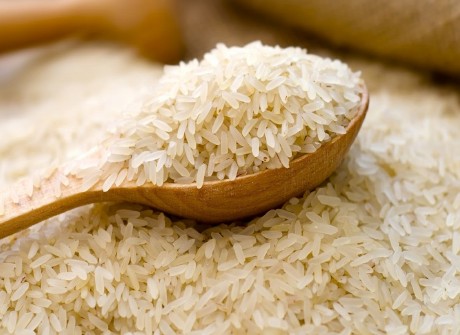
Rice is the most primitive and staple food in many cultures around the world. Many cuisines have the inclusion of rice to make their meals fuller and tastier. Apart from all this it is an important cereal crop that feeds more than half of the world’s population.

Right from its origin it has been an easy to grow, cook and digestive food grain for everyone. Majority of the cuisines include rice as a main course in many different forms.

But, strangely in the current times most avoid rice as it is considered bad when it comes to health. This is only a myth. If we go back in time rice was one of the most used food item in meals and people consuming it were more healthy, fit and thin as compared to today’s condition of where we find more cases of obesity, big waist size, big belly, cholesterol, blood pressure, etc.

Rice is a complex carbohydrate and contains essential amino acids (methionine) that helps in mobilizing the fat from liver and when combined with legume or pulses it becomes a complete protein to provide good muscle growth. Thus, it’s a blessing for vegetarians. Rice when combined with some protein or fiber rich food becomes slow absorbing and hence there is no issue of sudden rise in the blood glucose with it. Diabetics out there,put it back on your plate and relish your taste buds all over again.

Also would like to take this opportunity to clear the myth that “Rice is fatty”, the fact is that Rice is high on carbohydrates and when taken in wrong quantity, combination and timing then it can lead to fat gain, as a result of excess carbohydrates, which the body could not burn.

Listing out some great advantages of this wonder grain:

  • It is an excellent source of Vitamins and Minerals like Niacin, Vitamin D, Calcium, Fiber, Iron, Thiamine and Riboflavin. Thus, it helps in metabolism, immunity and better functioning of organs.
  • Gives you instant energy
  • Light on your stomach to digest thus best to have when sick
  • Best food for high blood pressure.
  • Aids in Digestion
  • Gluten, Sodium & Cholesterol free.
  • Rice abounds in resistant starch, which reaches the bowels in an undigested form. This type of starch stimulates the growth of useful bacteria that help with normal bowel movements.
  • Insoluble rice is very useful in reducing the effects of conditions like Irritable Bowel Syndrome (IBS), and diarrhea.
  • The starch water from rice is utilised as medication for various skin infections.
  • Rice being high on various vitamins, phyto nutrients and carbohydrates, it becomes the best source of post workout meal for endurance athletes. To replenish their glycogen, help in relieving cramps and overall calming effect to the body. One reason have it in your dinner menu.

Too much of anything is not good, so do eat your rice but at timings & combinations which will help you burn it all.

Best time: Morning, Lunch, Post workout, Sick, Dinner (Combine it with a protein or fiber rich food to get the best taste and results).

Another question that often comes to me from my clients is which rice to have? Will give you more info on types of rice in the next blog. For now, opt for the white rice, husk removed and hand polished. As all of this retains the necessary nutrients in the white rice. We hope this article helps you. For further information or guidance, reach out to our certified experts by subscribing to GOQii’s Personalised Health Coaching here.

#BeTheForce 

March 19, 2024 By Anuja Mohile 1 Comment

Eat Smart To Live Smart: Mastering Portion Control

the-food-pyramidWhat do you know of portion size and serving size? Often we read a label saying the portion/serving size as “x” amount. But, we are seldom aware of the difference between portion and serving size? You may ask, are they really different? Yes of course! And as a consumer you should be aware of the difference between the two as it may help you in choosing your food items consciously.
What is a serving size?

A serving size is average amounts that assists us in eating or helps us to decide how much to eat or identify how many calories and nutrients are present in that particular amount of food that we eat. For example we buy a packet of noodles weighing 100grams. If you carefully read the label it may say that the serving size is 75 grams only and the nutritive values for the serving will also be provided.

What is a portion size?

Portion size cannot be defined universally. It is the amount we take on our plate. It may vary according to the food we eat at different times. Thus, to continue the example given previously the serving size may be 75 grams but, you cannot really store 25 grams for the next time. So you have the whole pack for yourself. This would be the portion you choose to take on your plate.

Now eating portion size instead of serving size is not entirely wrong. Quite often it may occur that you eat several servings in one portion itself. In fact when we eat out in restaurants their portions may even exceed the servings that are recommended by the food pyramid. Further, new marketing strategies add up. The introduction of large size portions at cheaper price and meal combos or value meals has actually decreased the value of healthy, nutritious and fresh food in the consumer minds.

There are so many fast food chains that offer more food for a very slight increase in cost. Not only in restaurants but also in super markets we choose to buy bulk or opt for various offers like buy one get one free. This is a very natural consumer tendency but buying and further eating products in larger quantities itself is a major reason for gaining weight. It is the easily available large portion sizes that make you eat high fat, sugar, and thereby high calories.

Today, the portion sizes have grown so much that there is enough food for more than two people in a single plate. In fact we opt for restaurants where the dish is big enough. This kind of portion size increase is also taking place at home and is known as portion distortion. The food guide pyramid allows us to understand the different foods that we need to eat based on their nutritive value and also the proportions in which we should consume these on a regular basis.

Based on the food guide pyramid and serving size we can achieve portion control on the foods we eat. Portion control helps us to understand the nutritive value of the portion of the food, thereby how much of it should be consumed. Thus, in order to obtain a balance in the healthy and unhealthy foods that we eat it is extremely important to practice portion control in our daily routine. It helps us to control the quantity as well as the quality.

To conclude here are few tips for a better portion control in our daily life

** While choosing and eating food: Prepare and eat food at home. We tend to eat more portions in restaurants.

** Pack snack items in individual servings.

** Use a small dish which will give less space for food.

** Read labels to understand what a serving looks like. Read the number of serving per packet. Don’t start eating directly from the box. Try serving one serving per plate.

** When eating out, avoid eating supersized meals and other deals that promote overeating

** At restaurants share your meals, if not at least get the extra meal packed instead of finishing it there itself. Split your main dish with your friend. Don’t order separately.

** Prepare daily meals just for the number of people available.

** Don’t cook in bulk especially in case of sweets.

By mastering portion control and making mindful food choices, you can pave the way for a healthier lifestyle and enhance your overall well-being. Remember, it’s not just about what you eat, but also how much. So, eat smart, live smart, and enjoy a balanced and nutritious diet every day. For additional tips on diet and nutrition, explore Healthy Reads or connect with a certified expert through GOQii’s Personalised Health Coaching here. Start your journey toward a healthier life today!

#BeTheForce

March 18, 2024 By Arooshi Garg 4 Comments

5 Breathing exercises for boosting immunity

breathing techniques for better sleep

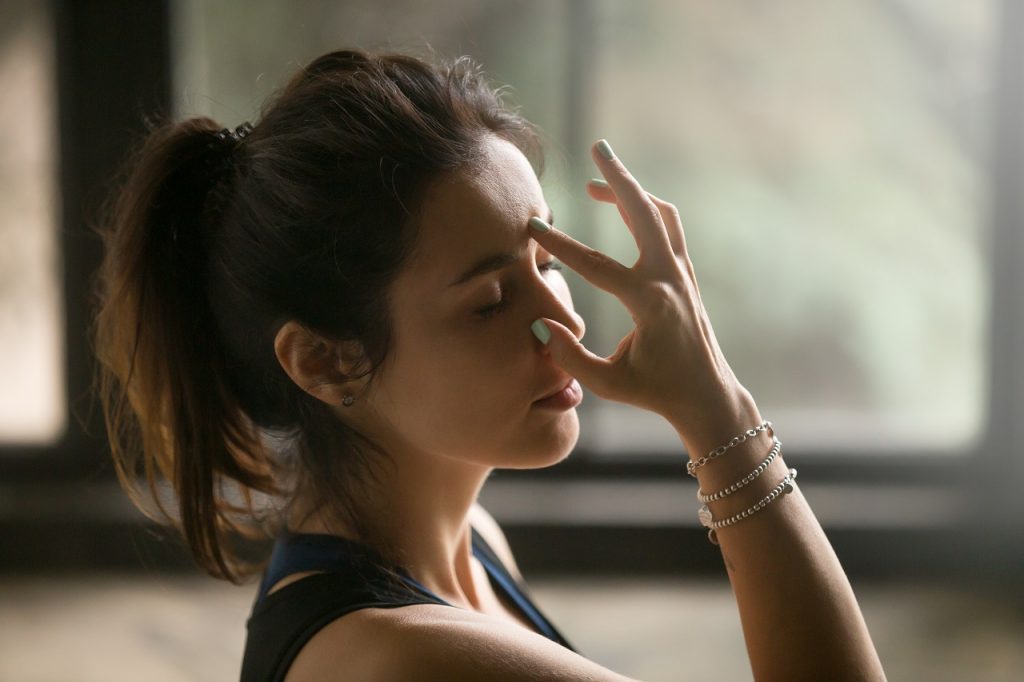
Breathing exercises or “PRANAYAM’, the word is derived from ‘Prana‘ which stands for ‘life force’ and ‘Ayama‘ which means ‘to lengthen or to work on it’. Prana, in yogic terms, means the force within the body that is vital for the functioning of the body as well as its vitality. Breath is our vital source of energy. Did you know that we can throw out 80 per cent of the toxins from our body by breathing correctly? The key to healthy and happy living lies in right breathing. When we attend to our breath, it can heal us from within.

Our cells regenerate all the time, and cannot regenerate without oxygen. Breathing is the fastest and most efficient way for our bodies to get oxygen. Deep breathing helps our immune system regenerate cells in order to fight infection and any other ailments that affect us. Certain breathing exercises have shown to greatly increase the efficiency of our immune system. The better the air quality and the deeper you breathe the more you can help your immune system work properly. Routinely practicing deep breathing exercises can improve your overall immune system.

Benefits of  Pranayama to Boost Immunity

  • Pranayama enhances and stimulates the immune system
  • Improves function and strengthens cells, tissue, glands and organs
  • Pranayama releases stress, anxiety and depression
  • Removes heart blockages
  • Cures heart problems
  • Boosts overall health and cures many health issues
  • Pranayama increases blood circulation
  • Cures Aasthma, Headache, Migraine, Neurological problems, Depression, Gastric problems
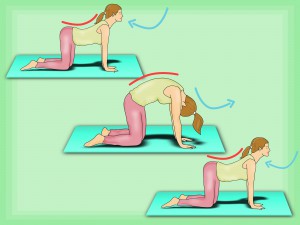
  1. Cat and Cow breathing exercise:

Cat-Cow-Pose-in-Vinyasa

This is a great yoga sequence that helps to improve circulation and clear congestion in the bronchial region and sinuses.

Benefits of Cat and Cow breathing exercise:

  • It stimulates digestion and, through muscular contraction and extension, pumps blood and lymphatic fluid through the thoracic muscle groups.
  • It increases cardiovascular fitness and helps stimulate the kidneys while relieving stress from the neck and shoulder area, and extending the lumbar spine region.

How to do it:

  • Rest your arms and knees on the floor. On the inhale breath, lift and expand the front chest up and forward, elongate your throat, draw your shoulders back, and curve your middle spine downwards as you tuck in your tailbone.
  • On a strong exhale, tuck your chin to your throat, pull in your belly, and arch your spine upwards (like an angry cat), rolling your shoulders forward and down to compress the front chest.
  • Inhale to Cow Pose and exhale to Cat Pose with a fluid up-and-down, wave-like motion of the spine and torso. Repeat the cycle 5 times.
  1. Kapal Bhati Pranayam:

kapal bhati

Kapal meaning skull, Bhati meaning shining and pranayama meaning breathing technique. It is a great breathing exercise and can improve bodily functions. This breathing exercise can remove 80% of the toxins in our body through the outgoing breath. Regular practice of Kapal Bhati Pranayama can help detoxify all the systems in our body.

Benefits of Kapal Bhati:

  • Helps in increasing the metabolic rate
  • Improves digestive functioning, absorption, and assimilation of nutrients
  • Improves blood circulation and nervous system functioning

How to do it:

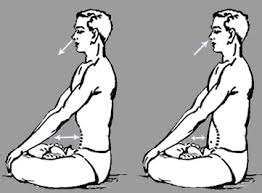
  • Sit at a comfortable place with your spine straight. Place your hands on the knees with palms open to the sky.
  • Take a deep breath in. As you exhale, pull your stomach in. Pull your navel in back towards the spine. Do as much as you comfortably can. You may keep your right hand on the stomach to feel the abdominal muscles contract.
  • As you relax the navel and abdomen, the breath flows into your lungs automatically.
  • Take 15-20 such breaths to complete one round of Kapal Bhati Pranayama.
  • After completing the round, relax with your eyes closed
  • Do two more rounds of Kapal Bhati Pranayam.

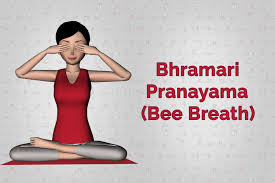
3.       Bee Breath (Bhramari Pranayam)

bee breathe

Bhramari Pranayama or the humming Bee Breath produces a sound similar to the humming of a bee. Bhramari comes from the Sanskrit word ‘Bramar’ which means a kind of black Indian bee. Bhramari pranayama has a soothing effect on the brain and calms the mind. Gives relief if you have a slight headache

 Benefits of Bhramari Pranayama (Bee Breath)

  • Helps mitigate migraines
  • Helps clear the nasal and ear canals
  • Clears the sinuses
  • Helps in improving concentration and memory
  • Effective in reducing blood pressure

How to do it:

  • Sit in a peaceful place with your spine erect
  • Place your index fingers on the cartilage between your cheek and ear
  • Take a deep breath in and as you breathe out, gently press the cartilage. You can keep the cartilage pressed or press it in and out with your fingers while making a loud humming sound like a bee
  • Breathe in again and continue the same pattern 4-5 times.

Precautions for doing Bhramari Pranayama

  • Ensure that you are not putting your finger inside the ear but on the cartilage
  • Don’t press the cartilage too hard. Gently press and release with the finger
  • While making the humming sound, keep your mouth closed
  1. Dog Breathing Exercise

Dog Breathing cleanses and detoxifies the body while expelling the toxins out from deep inside your tissues. The sharp contracting movements while practicing Dog Breathing strengthens the abdominal muscles.

Benefits of Dog breathing:

  • It beneficial in preventing fat deposition in the abdominal area,
  • Helps in improving the respiratory capacity and prevents the person from catching any respiratory disorder if practiced regularly.

How to do it:

  • Sit in Easy Pose with your chin in and your chest out. Stick your tongue all the way out and keep it out as you rapidly breathe in and out through your mouth. This is called Dog Breath. Continue this breath for 3-5 minutes.
  • To finish, inhale, and hold your breath for 15 seconds and press the tongue against the upper palate. Exhale. Repeat this sequence two more times.
  • Beginners can start with 15- 20 seconds and gradually reach up to 1 and then up to 5 minutes.
  1. Bhastrika Pranayama

bhastarika

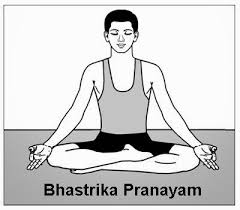
It strengthens the immune power. Practice Bhastrika Pranayama for 10 minutes in the morning and evening on an empty stomach daily for one month.

Benefits of Bhastrika Pranayam

  • Helps reduce episodes of cold, cough and flu
  • Improves thyroid function and tonsils

How to do it:

  • Sit comfortably on the flat ground.
  • Take a deep breath through both nostrils and fill the lungs with air and then exhale with a hissing sound.
  • Inhale deeply and exhale completely.
  • Do this for 2 min to 5 minutes max

Precautions for Bhastrika Pranayama

Those suffering from lungs, heart problems and high blood pressure should practice slowly. High blood pressure patients should exhale through the mouth instead of the nose.

Incorporating these simple yet powerful breathing exercises into your daily routine can significantly boost your immunity and improve your overall health. Practice regularly and feel the transformative effects on your body and mind. For further information or guidance, reach out to our certified experts by subscribing to GOQii’s Personalised Health Coaching here.

#BeTheForce 

  • « Previous Page
  • 1
  • 2
  • 3
  • 4
  • 5
  • …
  • 7
  • Next Page »

Search

Recent Posts

  • Sleep Well, Live Better: Lifestyle Habits That Improve Sleep Quality
  • Our Kidneys, Our Planet: How Environmental Health Impacts Your Body
  • Caution: Smoking is Injurious to health!!
  • The Sleep-Metabolism Connection: Why Rest is Your Best GLP-1 Partner
  • Accelerate Action for Your Health: Why Self-Care Matters This International Women’s Day

Stay Updated

Archives

  • March 2026 (6)
  • February 2026 (14)
  • January 2026 (14)
  • December 2025 (19)
  • November 2025 (15)
  • October 2025 (20)
  • September 2025 (6)
  • August 2025 (6)
  • July 2025 (12)
  • June 2025 (18)
  • May 2025 (16)
  • April 2025 (22)
  • March 2025 (23)
  • February 2025 (22)
  • January 2025 (25)
  • December 2024 (22)
  • November 2024 (23)
  • October 2024 (21)
  • September 2024 (24)
  • August 2024 (30)
  • July 2024 (21)
  • June 2024 (26)
  • May 2024 (31)
  • April 2024 (27)
  • March 2024 (28)
  • February 2024 (25)
  • January 2024 (21)
  • December 2023 (15)
  • November 2023 (11)
  • October 2023 (19)
  • September 2023 (22)
  • August 2023 (18)
  • July 2023 (22)
  • June 2023 (24)
  • May 2023 (24)
  • April 2023 (23)
  • March 2023 (23)
  • February 2023 (19)
  • January 2023 (15)
  • December 2022 (11)
  • November 2022 (15)
  • October 2022 (15)
  • September 2022 (12)
  • August 2022 (10)
  • July 2022 (17)
  • June 2022 (11)
  • May 2022 (10)
  • April 2022 (6)
  • March 2022 (6)
  • February 2022 (13)
  • January 2022 (11)
  • December 2021 (7)
  • November 2021 (3)
  • October 2021 (6)
  • September 2021 (3)
  • August 2021 (8)
  • July 2021 (7)
  • June 2021 (15)
  • May 2021 (16)
  • April 2021 (10)
  • March 2021 (7)
  • February 2021 (4)
  • January 2021 (4)
  • December 2020 (3)
  • November 2020 (4)
  • October 2020 (10)
  • September 2020 (3)
  • August 2020 (3)
  • July 2020 (2)
  • June 2020 (4)
  • May 2020 (10)
  • April 2020 (12)
  • March 2020 (10)
  • February 2020 (4)
  • January 2020 (4)
  • December 2019 (3)
  • November 2019 (7)
  • October 2019 (5)
  • September 2019 (4)
  • August 2019 (9)
  • July 2019 (9)
  • June 2019 (11)
  • May 2019 (4)
  • April 2019 (8)
  • March 2019 (8)
  • February 2019 (9)
  • January 2019 (8)
  • December 2018 (9)
  • November 2018 (3)
  • October 2018 (3)
  • September 2018 (5)
  • August 2018 (10)
  • July 2018 (6)
  • June 2018 (13)
  • May 2018 (8)
  • April 2018 (18)
  • March 2018 (9)
  • February 2018 (8)
  • January 2018 (15)
  • December 2017 (12)
  • November 2017 (19)
  • October 2017 (13)
  • September 2017 (15)
  • August 2017 (4)
  • July 2017 (8)
  • June 2017 (7)
  • May 2017 (6)
  • April 2017 (8)
  • March 2017 (6)
  • February 2017 (7)
  • January 2017 (9)
  • December 2016 (10)
  • November 2016 (7)
  • October 2016 (7)
  • September 2016 (7)
  • August 2016 (11)
  • July 2016 (9)
  • June 2016 (9)
  • May 2016 (12)
  • April 2016 (17)
  • March 2016 (17)
  • February 2016 (8)
  • January 2016 (6)
  • December 2015 (2)
  • November 2015 (9)
  • October 2015 (7)
  • September 2015 (9)
  • August 2015 (11)
  • July 2015 (9)
  • June 2015 (12)
  • May 2015 (9)
  • April 2015 (13)
  • March 2015 (8)
  • February 2015 (5)
  • January 2015 (12)
  • December 2014 (14)
  • November 2014 (11)
  • October 2014 (6)
  • September 2014 (13)
  • August 2014 (12)
  • July 2014 (6)
  • June 2014 (2)
  • May 2014 (7)
  • April 2014 (4)

From “Laddu Nawin” to Fit and Fierce: How a 25-Year-Old Insurance Advisor Shed 20 Kilos and Gained His Life Back

When 25-year-old Nawin Yadav from Hyderabad walked into his office every morning, he carried more than just his files and policy papers. He had the weight of fatigue, sluggish energy, and an ever-growing belly that was becoming the butt of jokes. “People … [Read More...]

“I’ve Challenged Myself to Live 100 Years” – The Story of Chandubhai Savani’s Second Chance at Life

At 67, most people start slowing down. Not Chandubhai Savani. A resident of Surat, Chandubhai, thought life was on track. “My life was going well till I had my bypass surgery,” he says. That surgery, back in 2021, was a wake-up call.  Medication was routine, but exercise wasn’t. His diet? What he calls ‘normal.’ “I […]

From Shimla’s Slopes to Chandigarh’s Sidewalks: Surinder Kaur Bhalla’s Journey from Chaos to Control

Some journeys start with a plan. Others begin with a stumble literally. Surinder Bhalla, a government professional, born and raised in the scenic hill town of Shimla, had always lived a life of movement. “In Shimla, you walked everywhere,” she reflects. “Walking was never an exercise. It was just life.” But after shifting to Chandigarh, […]

Ananda Mukherjee Health Story

From Terminal Illness To Complete Wellness! Ananda Mukherjee Health Story

As we observe World Cancer Day under the powerful theme ‘United by Unique’ (2025-2027)**, we are reminded that every individual’s journey with cancer is distinct, yet united by shared resilience, hope, and the collective fight against this disease. This theme places people at the centre of care and their stories at the heart of the […]

  • HOME
  • HEALTHY LIVING
  • FITNESS
  • HEALTHY RECIPES
  • USER STORIES
  • KARMA
  • BUY GOQii

Copyright ©2016 GOQii