GOQii

Blog

  • HOME
  • HEALTHY LIVING
  • FITNESS
  • HEALTHY RECIPES
  • USER STORIES
  • KARMA
  • BUY GOQii

Search Results for: running

March 19, 2025 By GOQii Leave a Comment

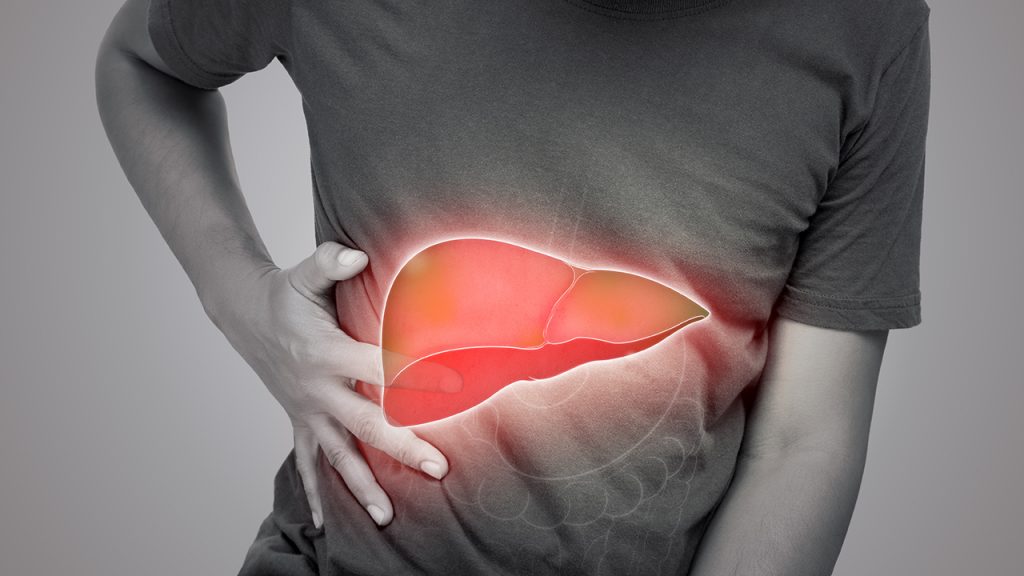
Fatty Liver: Causes, Symptoms & How to Reverse It Naturally

Understanding Fatty Liver

Your liver is a powerhouse—processing nutrients, filtering toxins, and keeping your metabolism running smoothly. But when too much fat builds up in liver cells, it can disrupt its function and lead to fatty liver disease.

Fatty liver is one of the most common liver conditions globally, affecting millions of people. The good news? It’s reversible in its early stages! But left unchecked, it can progress to more serious liver damage.

Let’s break down the causes, symptoms, and best ways to treat and prevent fatty liver disease—so you can take charge of your health before it’s too late.

Types of Fatty Liver Disease

There are two main types of fatty liver disease:

  1. Non-Alcoholic Fatty Liver Disease (NAFLD)
  • Occurs without excessive alcohol consumption.
  • Linked to obesity, diabetes, high cholesterol, and poor diet.
  • Can progress to non-alcoholic steatohepatitis (NASH)—a more severe form causing liver inflammation and scarring.
  1. Alcohol-Related Fatty Liver Disease (AFLD)
  • Caused by excessive alcohol consumption, which damages liver cells.
  • If drinking continues, it can lead to cirrhosis and liver failure.

Both conditions increase the risk of serious liver complications, but lifestyle changes can help prevent or even reverse them in the early stages.

What Causes Fatty Liver?

Several lifestyle and health factors contribute to fatty liver disease:

  • High Sugar & Processed Foods – Sugary drinks, sweets, and refined carbs promote fat accumulation in the liver.
  • Obesity & Insulin Resistance – Excess weight, especially around the abdomen, increases fatty deposits in the liver.
  • Sedentary Lifestyle – Lack of exercise slows metabolism and contributes to fat storage.
  • Excess Alcohol Intake – Alcohol is metabolised in the liver, and excessive intake can lead to fat buildup and inflammation.
  • High Cholesterol & Triglycerides – Poor cholesterol levels contribute to fat accumulation in the liver.
  • Underlying Health Conditions – Diabetes, metabolic syndrome, and PCOS are all linked to fatty liver.
  • Certain Medications – Some steroids, chemotherapy drugs, and painkillers can contribute to liver fat buildup.

Signs & Symptoms of Fatty Liver

In its early stages, fatty liver doesn’t usually cause noticeable symptoms. However, as it progresses, you may experience:

⚠️ Constant fatigue or sluggishness
⚠️ Discomfort or pain in the upper right abdomen
⚠️ Unexplained weight gain or difficulty losing weight
⚠️ Nausea or loss of appetite
⚠️ Jaundice (yellowing of skin/eyes) in severe cases

If left untreated, fatty liver can progress to fibrosis, cirrhosis, or even liver failure.

How to Treat & Reverse Fatty Liver

The best approach to managing and reversing fatty liver is lifestyle modification. Here’s how to take charge of your liver health:

  1. Improve Your Diet
  • Prioritise whole, unprocessed foods—vegetables, lean proteins, and whole grains.
  • Reduce sugar intake—avoid fizzy drinks, sweets, and refined carbs.
  • Eat liver-friendly foods:
    • Leafy greens (spinach, kale) – Detoxifying properties.
    • Berries – Packed with antioxidants to reduce inflammation.
    • Turmeric – Contains curcumin, which helps protect liver cells.
  • Oats & Whole Grains – Rich in fibre to support digestion.

Avoid trans fats, fried foods, and processed snacks—they increase liver inflammation.

  1. Stay Active
  • Regular exercise helps burn excess liver fat—aim for at least 150 minutes per week.
  • Include strength training to improve metabolism and fat-burning capacity.
  • Even small changes—like walking after meals—can significantly improve liver function.
  1. Maintain a Healthy Weight
  • Losing just 5-10% of body weight can reduce liver fat and inflammation.
  • Focus on sustainable, healthy weight loss—crash diets can do more harm than good!
  1. Cut Back on Alcohol
  • Alcohol is one of the leading causes of liver damage—reducing intake can prevent fatty deposits from worsening.
  • If you drink, stick to recommended guidelines—no more than 14 units per week (UK guidelines).
  1. Stay Hydrated
  • Water helps flush out toxins and supports liver function.
  • Aim for at least 2-3 litres per day.
  1. Manage Stress & Sleep
  • Chronic stress can lead to overeating & poor lifestyle habits—practise relaxation techniques like deep breathing and meditation.
  • Prioritise sleep—poor sleep quality is linked to metabolic disorders affecting the liver.
  1. Get Regular Check-ups
  • Monitor liver function through blood tests if you have risk factors like obesity, diabetes, or a history of high alcohol consumption.
  • Consult your doctor if you experience persistent symptoms.

Can Fatty Liver Be Reversed?

Yes! With consistent lifestyle changes, fatty liver can be reversed in its early stages. However, if it progresses to fibrosis or cirrhosis, the damage becomes permanent.

Taking action now can protect your liver and overall well-being.

Fatty liver disease is increasingly common, but the good news is that it can be prevented and even reversed with the right lifestyle choices.

By making simple yet powerful changes to your diet, exercise routine, and daily habits, you can protect your liver and improve overall health.

💬 Have you made lifestyle changes to improve liver health? Share your experience in the comments!

#BeTheForce

Disclaimer: The information provided in this blog is for general awareness and educational purposes only. It is not intended to replace professional medical advice, diagnosis, or treatment. Always consult a qualified healthcare provider for personalised medical guidance or concerns related to your health.

February 26, 2025 By GOQii Leave a Comment

The Rise of Recovery: How Prioritising Rest Can Boost Your Fitness Goals

4 Reasons Why Rest Is As Important As TrainingThe Modern Fitness Paradigm: More is Not Always Better

In today’s fitness culture, there’s an unspoken belief that the harder you push, the better your results. High-intensity workouts, back-to-back training sessions, and relentless progress tracking have become the norm. But as more athletes, trainers, and wellness experts start to shift their approach, a new reality is emerging: recovery isn’t just important—it’s essential.

The era of glorifying overtraining is fading, making way for a smarter, more holistic approach to fitness that values recovery as much as the workout itself. It’s time to stop seeing rest as a break from training and start viewing it as a fundamental part of progress.

Why Recovery is the Secret to Better Performance

Many people associate ‘rest days’ with laziness, but true fitness gains happen during recovery, not just during training. Every time you push your body through a challenging workout, you create tiny tears in your muscle fibres. It’s not the workout that makes you stronger—it’s the repair process that follows. Without proper recovery, you’re not allowing your body to rebuild, which can actually make you weaker over time.

Let’s break it down:

  1. Prevents Injury and Overtraining

Neglecting recovery can lead to chronic fatigue, burnout, and overuse injuries such as tendonitis, stress fractures, and muscle strains. When you allow your body time to heal, you reduce inflammation and strengthen tissues, lowering your risk of long-term setbacks.

  1. Boosts Performance and Strength

Think of your body as a battery—if you’re always running on low charge, you’ll never reach your full potential. Rest days allow your muscles to restore glycogen levels, helping you come back stronger, faster, and more energised for your next session.

  1. Supports Mental Well-being

The mind and body are deeply connected. Overtraining can lead to mood swings, increased anxiety, and even depression. Taking time to rest allows your nervous system to reset, improving mental clarity, focus, and motivation.

What Happens to Your Body During Recovery?

When you prioritise rest, your body initiates several key processes to optimise performance:

  • Muscle Repair & Growth – Tiny tears in muscle fibres rebuild stronger, leading to increased strength and endurance.
  • Hormonal Balance – Rest days regulate cortisol (the stress hormone) and boost testosterone and growth hormone for better muscle repair.
  • Improved Sleep Quality – Recovery lowers stress levels and helps you achieve deeper, more restorative sleep.
  • Reduced Inflammation – A well-rested body processes inflammation more efficiently, decreasing soreness and stiffness.

The Right Kind of Recovery: Passive vs. Active

Not all recovery looks the same, and finding the right balance is key to maximising results.

  1. Passive Recovery (Complete Rest)

Sometimes, doing absolutely nothing is the best thing you can do for your body. This type of recovery is ideal after intense training sessions, competitions, or when dealing with extreme fatigue.

  • Full rest days
  • Deep sleep
  • Massage therapy
  • Cold therapy (ice baths)
  • Sauna & heat therapy
  1. Active Recovery (Gentle Movement)

On lighter training days, low-impact movement can help reduce stiffness and promote circulation without overloading your muscles.

  • Walking or gentle hiking
  • Yoga & stretching
  • Swimming
  • Light mobility work
  • Foam rolling

How to Optimise Recovery for Maximum Gains

1. Listen to Your Body –
If you’re experiencing extreme soreness, chronic fatigue, or lack of motivation, your body is asking for rest. Ignoring these signs can lead to burnout.

2. Prioritise Sleep –
Sleep is the most effective natural recovery tool. Aim for 7-9 hours of high-quality sleep to support muscle repair, mental clarity, and overall health.

3. Fuel Properly –
Nutrition plays a vital role in recovery. Ensure your diet includes:

  • High-quality protein for muscle repair
  • Healthy fats to reduce inflammation
  • Complex carbohydrates to replenish glycogen stores
  • Hydration to flush out toxins and aid muscle function

4. Schedule Recovery Days –
Make recovery a planned part of your training, not an afterthought. At least one to two rest days per week should be non-negotiable, based on your training intensity.

5. Incorporate Mobility Work –
Stretching, foam rolling, and yoga can keep muscles flexible and improve range of motion, helping prevent injuries.

The Future of Fitness: Smarter, Not Harder

The fitness industry is evolving. More professionals are now embracing the concept of working smarter, not harder—and it’s paying off. Recovery is no longer seen as a luxury but a necessity for sustainable progress.

Instead of pushing through exhaustion, start recognising that rest is an essential component of success. By giving your body the recovery it deserves, you’re not only preventing injuries—you’re unlocking the full potential of your strength, endurance, and mental well-being.

Next time you’re tempted to skip a rest day, remember: rest isn’t weakness—it’s strategy. Prioritise recovery, and watch your performance soar.

Do you prioritise recovery in your fitness routine? Share your thoughts in the comments below!

#BeTheForce

January 28, 2025 By GOQii Leave a Comment

8 Simple Ways to Keep the Environment and Yourself Healthy

World Environment DayImagine that you’ve just started out on your journey towards a healthier lifestyle. You go out for a jog. A few minutes away from home, you have to run through garbage and breathe in polluted air that goes above the recommended AQI. In the bargain of trying to get healthy and active, your body has gotten a little more damaged because of an unhealthy environment.

Unhealthy Environment! Does that ring a bell? A whooping 9 out of 10 people on Earth breathe highly polluted air and more than 80% of urban dwellers across the world have to endure outdoor pollution that exceeds health standards as per the World Health Organization’s World Global Ambient Air Quality database.

This essentially means that even if you lead a healthy lifestyle by eating the right foods, exercising and getting the required amount of rest, you can still fall prey to illnesses and disease based on the environment you’re living in. This scenario is especially worse in a country like India where pollution levels are at an all-time high!

So how exactly can you keep yourself healthy while helping the environment? The answer lies in taking small steps towards sustainable development. Here are a few things you can do!

1. Take a Walk Anywhere! 

Definitely the best exercise known to mankind! Walking helps you shed weight, improves your health and is great for the environment! Why take a vehicle to a walk able distance? You’ll be saving fuel as well as your health! You can even up the pace by jogging or running.

2. Cycle Your Way to Good Health

To cover distances that are too far to walk, there’s nothing like cycling! You’ll be amazed at the amount of fuel you will be saving by riding your bicycle to work. As a plus point, it is a great way to stay in shape and improve your aerobic fitness. If you haven’t yet, try this amazing environmentally friendly mode of transport now!

3. Opt For a Reusable Water Bottle

Bottled water is never a good idea. Given the fact that the chemicals in plastic bottles are not good for your health or the environment. What you drink in a few minutes, lingers in the environment for a thousand years. Instead, opt for an environmentally-friendly reusable stainless-steel bottle. Avoid contributing to the piling loads of plastic bottles and disposable tea/coffee cups.

4. Shower Less

If you love water as much as we do and want your future generations to enjoy the same, cut down on your shower time! While contemplating existential queries for an hour under a warm shower seems like a good idea, you’re wasting an important resource that might get scarce soon! Preserve for the future!

5. Give it Back! Plant a Tree

In your backyard or as a part of a community, you can plant a tree (or several) as a family project. Plants and trees keep you cool and are your natural source of oxygen! It is especially important to do so in a city where pollution levels only keep rising. Having greens around you is never a bad thing.

6. Grow Your Own Food

Do you frequent the supermarket for your food? Well, how about growing your own? Having a small vegetable garden of your own can be quite fruitful! For instance, the vegetables you grow will be fresh, tasty and pesticide/insecticide free. Also, imagine the long hours of exercise you’ll be putting in to grow them! You can also explore micro-greens as an option!

7. Take The Stairs

Give your butt and legs a great workout while saving on power used to run escalators and elevators! Taking the stairs is a great way to get in shape and reduce power usage!

8. Organize a Clean Up Drive

Karma has always been an important part of GOQii and there’s no better way to give back to nature all the good things it provides than cleaning it up! While out on a walk or run in your park or locality, keep a grocery bag handy and pick the mess you find along the way. You’ll be a lot fitter and will feel more productive.

To add to it, your park or locality will be a lot cleaner thanks to your efforts. You can take this a step ahead and organize a clean-up drive at a nearby beach, park or community.

Every small step towards a greener, cleaner and healthier future helps! As Captain Planet once said, “Reduce. Reuse. Recycle! The power is yours!”

#BeTheForce

January 6, 2025 By Parwage Alam 1 Comment

6 Ways To Track & Achieve Your New Year Goals

6 ways to track and achieve your goals We are in the second week of the first month of 2025 and I am sure many of us have already made New Year Resolutions! The most common resolutions often revolve around “Losing weight and getting fit”, “Quitting smoking”, “Learning something new” or “Traveling to new places”.  The question is – are we working on them and what’s our game plan?


The desire to change something about yourself happens year after year. While intentions are good, most of us seldom end up fulfilling the resolutions we set. A recent article by Forbes magazine mentioned that only 8% of people actually achieve their New Year Goals. 

Why Is It So Hard To Stick To New Year Goals?

Why do so many people fail at goal setting? What is it about those few who manage to get it right and achieve their goals?

There are many answers to the why’s and how’s. New Year goal setting is often seen as an opportunity to dish out a large bucket lists of all that we wanted to achieve but couldn’t throughout the year. It’s an attempt to tell ourselves that this year will definitely be better than the last.

The enthusiasm usually lasts through the first week of the New Year. Gradually, as days and months pass, interest in achieving these goals fades away. The human mind always finds excuses or loses interest midway, with little room for introspection. But fear not! Here are 6 ways to help you stay on track with your New Year goals.

6 Ways To Track & Achieve Your New Year Goals 

  1. Create a Q&A: If you’ve decided to resolve a habit, prepare questions to ask yourself at timely intervals. This helps boost enthusiasm and keeps a check on progress. Analyze your life. Is there anything you want to change or improve? All answers start with questions, so be ready to create your list. Ask yourself: Who do I want to become? What can I improve? How can I change? Give yourself plenty of time—anywhere from a few hours to several days.
  2. The Devil Is In The Details: With your list ready, analyze it thoroughly to stick to your routine and track progress. For example, if your goal is to lose 10kg, track your weight monthly to measure how much progress you’ve made. Detailed data works as a roadmap to success.
  3. Gaze Into The Future: Create an emotional attachment to your New Year goals to make your journey enjoyable. Visualize how you’ll feel after achieving your goals. For instance, if your goal is to lose 10kg, imagine yourself at your ideal weight. This visualization motivates you to keep pushing forward. The more senses you engage, the better!
  4. Eating Elephants: How do you eat an elephant? One bite at a time! Break your goals into smaller, manageable portions. For instance, if you need to run 10km, the thought might feel overwhelming. Instead, break it down into smaller goals, like running 1km 10 times. Achieving these smaller milestones makes the larger goal feel attainable.
  5. Reward Yourself: Rewards are a powerful motivator. Celebrate every milestone you achieve. For instance, after running 1km, reward yourself with a 100-meter walk. This break will recharge you for the next stretch. You can also set a grand reward, like a dream vacation, after achieving your primary goal.
  6. Socializing: When you commit publicly, you’re more likely to stay motivated. Share your goals on social media or with friends, and update them on your progress. The accountability will push you to stick to your routine and achieve your goals.

And that’s it! A simple 6 step process to help you achieve your New Year Goals! We hope this article inspires you to take charge and accomplish your resolutions. Do share your thoughts in the comments below. For more tips on goal setting and achieving them, check out Healthy Reads.

If you need help sticking to your resolutions, get guidance from a GOQii Coach. Subscribe to GOQii’s Personalised Health Coaching here to get started now.

#BeTheForce 

  • « Previous Page
  • 1
  • …
  • 4
  • 5
  • 6
  • 7
  • 8
  • …
  • 53
  • Next Page »

Search

Recent Posts

  • ALL ABOUT VERTIGO!
  • PCOS and Anxiety: Discover Relief with the 54321 Technique
  • Navigating the Maze of Nutrition: Finding Clarity Amidst Confusion
  • Get children active and keep them healthy
  • What Gestational Diabetes Can Do To You & Your Unborn Child

Stay Updated

Archives

  • December 2025 (5)
  • November 2025 (15)
  • October 2025 (20)
  • September 2025 (6)
  • August 2025 (6)
  • July 2025 (12)
  • June 2025 (18)
  • May 2025 (16)
  • April 2025 (23)
  • March 2025 (23)
  • February 2025 (22)
  • January 2025 (26)
  • December 2024 (26)
  • November 2024 (25)
  • October 2024 (22)
  • September 2024 (24)
  • August 2024 (31)
  • July 2024 (21)
  • June 2024 (26)
  • May 2024 (31)
  • April 2024 (27)
  • March 2024 (29)
  • February 2024 (26)
  • January 2024 (25)
  • December 2023 (15)
  • November 2023 (11)
  • October 2023 (22)
  • September 2023 (22)
  • August 2023 (20)
  • July 2023 (22)
  • June 2023 (24)
  • May 2023 (24)
  • April 2023 (24)
  • March 2023 (23)
  • February 2023 (20)
  • January 2023 (16)
  • December 2022 (12)
  • November 2022 (15)
  • October 2022 (15)
  • September 2022 (12)
  • August 2022 (10)
  • July 2022 (17)
  • June 2022 (11)
  • May 2022 (10)
  • April 2022 (6)
  • March 2022 (6)
  • February 2022 (13)
  • January 2022 (12)
  • December 2021 (7)
  • November 2021 (3)
  • October 2021 (6)
  • September 2021 (3)
  • August 2021 (8)
  • July 2021 (7)
  • June 2021 (15)
  • May 2021 (16)
  • April 2021 (10)
  • March 2021 (7)
  • February 2021 (4)
  • January 2021 (4)
  • December 2020 (3)
  • November 2020 (4)
  • October 2020 (10)
  • September 2020 (3)
  • August 2020 (3)
  • July 2020 (2)
  • June 2020 (4)
  • May 2020 (10)
  • April 2020 (12)
  • March 2020 (10)
  • February 2020 (4)
  • January 2020 (4)
  • December 2019 (3)
  • November 2019 (7)
  • October 2019 (5)
  • September 2019 (4)
  • August 2019 (9)
  • July 2019 (9)
  • June 2019 (11)
  • May 2019 (4)
  • April 2019 (9)
  • March 2019 (8)
  • February 2019 (9)
  • January 2019 (8)
  • December 2018 (9)
  • November 2018 (3)
  • October 2018 (3)
  • September 2018 (5)
  • August 2018 (10)
  • July 2018 (6)
  • June 2018 (13)
  • May 2018 (8)
  • April 2018 (18)
  • March 2018 (9)
  • February 2018 (8)
  • January 2018 (15)
  • December 2017 (12)
  • November 2017 (19)
  • October 2017 (13)
  • September 2017 (15)
  • August 2017 (4)
  • July 2017 (8)
  • June 2017 (7)
  • May 2017 (6)
  • April 2017 (8)
  • March 2017 (6)
  • February 2017 (7)
  • January 2017 (9)
  • December 2016 (10)
  • November 2016 (7)
  • October 2016 (7)
  • September 2016 (7)
  • August 2016 (11)
  • July 2016 (9)
  • June 2016 (9)
  • May 2016 (12)
  • April 2016 (17)
  • March 2016 (17)
  • February 2016 (8)
  • January 2016 (6)
  • December 2015 (2)
  • November 2015 (9)
  • October 2015 (7)
  • September 2015 (9)
  • August 2015 (11)
  • July 2015 (9)
  • June 2015 (12)
  • May 2015 (9)
  • April 2015 (13)
  • March 2015 (8)
  • February 2015 (5)
  • January 2015 (12)
  • December 2014 (14)
  • November 2014 (11)
  • October 2014 (6)
  • September 2014 (13)
  • August 2014 (12)
  • July 2014 (6)
  • June 2014 (2)
  • May 2014 (7)
  • April 2014 (5)

From “Laddu Nawin” to Fit and Fierce: How a 25-Year-Old Insurance Advisor Shed 20 Kilos and Gained His Life Back

When 25-year-old Nawin Yadav from Hyderabad walked into his office every morning, he carried more than just his files and policy papers. He had the weight of fatigue, sluggish energy, and an ever-growing belly that was becoming the butt of jokes. “People … [Read More...]

“I’ve Challenged Myself to Live 100 Years” – The Story of Chandubhai Savani’s Second Chance at Life

At 67, most people start slowing down. Not Chandubhai Savani. A resident of Surat, Chandubhai, thought life was on track. “My life was going well till I had my bypass surgery,” he says. That surgery, back in 2021, was a wake-up call.  Medication was routine, but exercise wasn’t. His diet? What he calls ‘normal.’ “I […]

From Shimla’s Slopes to Chandigarh’s Sidewalks: Surinder Kaur Bhalla’s Journey from Chaos to Control

Some journeys start with a plan. Others begin with a stumble literally. Surinder Bhalla, a government professional, born and raised in the scenic hill town of Shimla, had always lived a life of movement. “In Shimla, you walked everywhere,” she reflects. “Walking was never an exercise. It was just life.” But after shifting to Chandigarh, […]

Ananda Mukherjee Health Story

From Terminal Illness To Complete Wellness! Ananda Mukherjee Health Story

As we observe World Cancer Day under the powerful theme ‘United by Unique’ (2025-2027)**, we are reminded that every individual’s journey with cancer is distinct, yet united by shared resilience, hope, and the collective fight against this disease. This theme places people at the centre of care and their stories at the heart of the […]

  • HOME
  • HEALTHY LIVING
  • FITNESS
  • HEALTHY RECIPES
  • USER STORIES
  • KARMA
  • BUY GOQii

Copyright ©2016 GOQii

