GOQii

Blog

  • HOME
  • HEALTHY LIVING
  • FITNESS
  • HEALTHY RECIPES
  • USER STORIES
  • KARMA
  • BUY GOQii

Search Results for: hair

March 25, 2025 By GOQii Leave a Comment

Understanding PCOS: Symptoms & Solutions

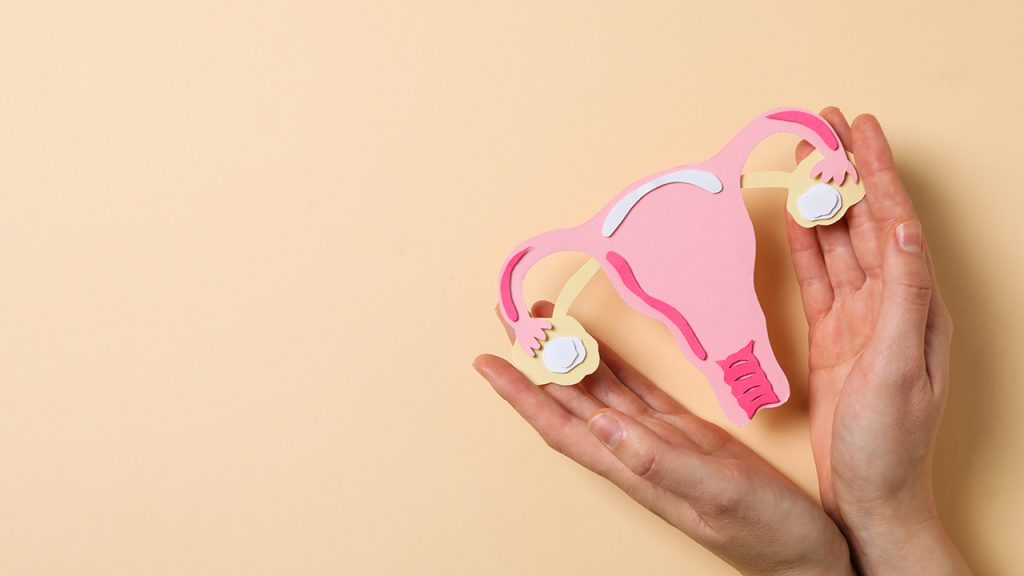
Polycystic Ovary Syndrome (PCOS) is more common than you might think. Affecting 1 in 10 women of reproductive age globally, it’s a hormonal condition that can often go undiagnosed for years—leaving many to silently struggle with irregular periods, weight gain, acne, or mood swings, without truly knowing why.

If you’ve ever felt that your body is working against you, or if your health concerns have been dismissed as “normal” or “just stress,” you’re not alone. PCOS can be complex, but with the right knowledge, support, and lifestyle changes, it is manageable—and many women go on to live healthy, balanced lives.

Let’s break it down together and explore what PCOS really is, its symptoms, and the steps you can take to regain control of your health.

What Is PCOS?

PCOS is a hormonal imbalance that affects how the ovaries work. It’s called “polycystic” because many women with PCOS have multiple small cysts on their ovaries—but not always.

At its core, PCOS involves excess androgen levels (male hormones like testosterone), insulin resistance, and irregular ovulation. These disrupt your menstrual cycle, metabolism, and can even impact fertility.

Common Symptoms of PCOS

PCOS affects each woman differently, but here are some common signs to look out for:

  • Irregular periods or no periods at all
  • Excessive hair growth on the face, chest, or back (hirsutism)
  • Acne that’s hard to control
  • Thinning hair or hair loss from the scalp
  • Weight gain, particularly around the abdomen
  • Difficulty losing weight
  • Mood swings, anxiety, or depression
  • Fatigue and low energy levels
  • Fertility challenges

If you identify with some of these symptoms, it’s worth consulting a GP or gynaecologist who can carry out blood tests and scans to confirm a diagnosis.

What Causes PCOS?

The exact cause of PCOS isn’t fully understood, but several factors are believed to play a role:

  • Genetics – If your mother or sister has PCOS, your chances increase.
  • Insulin resistance – When the body’s cells become resistant to insulin, blood sugar levels rise, triggering the ovaries to produce more androgens.
  • Inflammation – Chronic low-grade inflammation can increase androgen production.
  • Lifestyle factors – Sedentary living, poor diet, and stress can aggravate symptoms.

How PCOS Can Affect Long-Term Health

If left unmanaged, PCOS can increase the risk of:

  • Type 2 Diabetes
  • High blood pressure
  • Heart disease
  • Endometrial cancer
  • Sleep apnoea
  • Anxiety and depression

The good news? Early diagnosis and lifestyle changes can significantly reduce these risks and help you take back control of your health.

Natural Solutions for Managing PCOS

There’s no one-size-fits-all cure, but small, sustainable changes can make a big difference. Here’s how you can manage PCOS naturally:

  1. Nourish Your Body with the Right Foods

Focus on a balanced, low-GI diet to regulate blood sugar and manage insulin levels:

  • Whole grains (quinoa, oats, brown rice)
  • Lean proteins (fish, chicken, tofu, lentils)
  • Healthy fats (avocados, nuts, olive oil)
  • Plenty of vegetables and berries
  • Limit refined carbs, sugars, and processed foods

Tip: Don’t skip meals—this can cause blood sugar crashes and worsen fatigue.

  1. Stay Active, Your Way

Regular exercise helps manage weight, insulin resistance, and boosts mood:

  • Aim for 30 minutes of movement, 5 days a week
  • Mix it up—try walking, cycling, yoga, strength training, or dancing

Tip: Start small and stay consistent. Even daily walks make a difference.

  1. Prioritise Stress Management

Chronic stress affects hormones and can worsen symptoms. Try:

  • Deep breathing or meditation
  • Journaling or gratitude practice
  • Spending time in nature
  • Mindful movement like yoga or tai chi
  1. Improve Sleep Quality

PCOS can disrupt sleep, but quality rest is essential for hormone balance:

  • Stick to a regular sleep schedule
  • Limit screens before bed
  • Create a calm, dark sleep environment
  1. Seek Medical Support

Depending on your symptoms, a doctor may recommend medications like:

  • Metformin for insulin resistance
  • Hormonal birth control for regulating cycles
  • Fertility treatments, if needed

Note: Lifestyle changes can often reduce the need for medication over time.

PCOS may feel overwhelming, but you’re not alone. With the right approach and support, you can manage symptoms, boost your energy, improve your mood, and reclaim your well-being.

Small steps matter. Whether it’s preparing a nourishing meal, taking a walk, or simply resting when needed, every choice adds up to better health.

💬 Have you been managing PCOS? Share your tips and journey in the comments—we’d love to hear from you!

#BeTheForce

Disclaimer: The information provided in this blog is for general awareness and educational purposes only. It is not intended to replace professional medical advice, diagnosis, or treatment. Always consult a qualified healthcare provider for personalised medical guidance or concerns related to your health.
March 10, 2025 By Asmita Maredia 4 Comments

Sitting for Hours? Try These Simple Office Workouts to Stay Active!

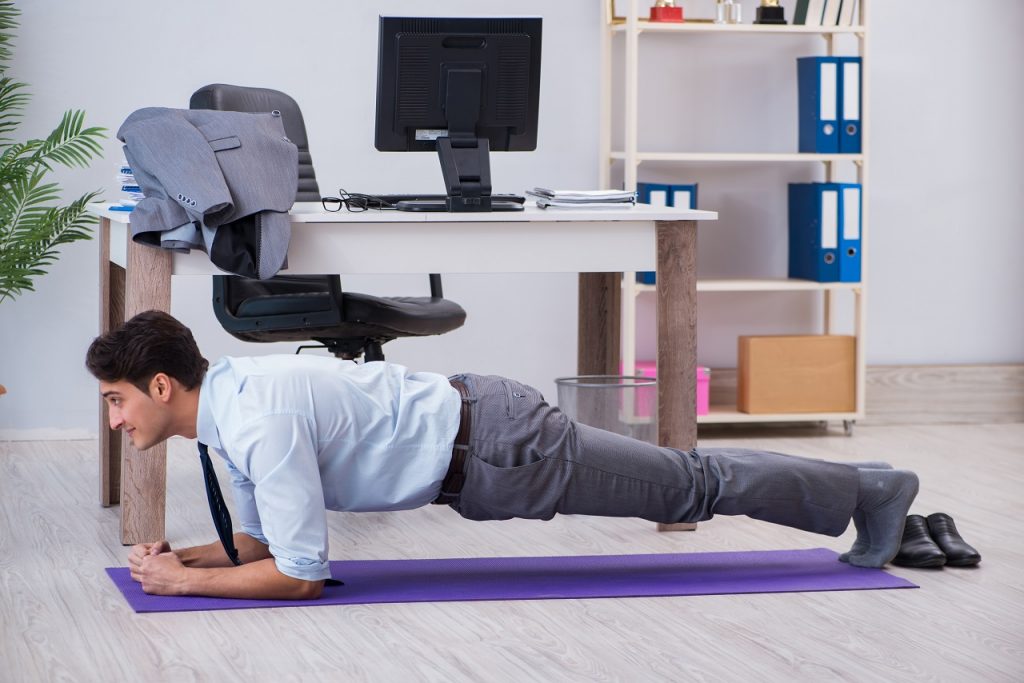
office workoutHow many hours do you spend sitting each day? If you work a desk job, the answer is probably too many! The average office worker sits for 6-10 hours daily, which can lead to back pain, fatigue, poor posture, and increased health risks such as obesity and heart disease. But don’t worry—staying active at your desk is easier than you think!

Even if you go to the gym, prolonged sitting can still take a toll on your body. These simple office workouts will help you keep your body moving and your mind refreshed without leaving your desk.

Office Workouts You Can Do at Your Desk

1.Walk & Move More

  • Set an alarm every 45 minutes to stand up and move. Aim for at least 1-2 minutes of movement during each break.
  • Walk to fill your water bottle, use the printer, or take a quick break.
  • Take the stairs instead of the lift – two at a time for extra burn!
  • If possible, pace around while on phone calls.

2. Neck & Shoulder Stretches

  • Neck Stretch: Tilt your head to one side and hold for 5 seconds. Repeat 5 times on each side.
  • Head Rotation: Slowly roll your head clockwise and anti-clockwise 5 times.
  • Shoulder Shrug: Raise your shoulders as high as possible, hold for 5 seconds, then relax.

3. Arm & Wrist Exercises

  • Arm Stretch: Cross one arm over your body and pull it towards you with the other hand.
  • Triceps Stretch: Place one hand behind your neck and pull your elbow with the other hand.
  • Wrist Rotations: Roll your wrists 10 times clockwise and anti-clockwise.
  • Finger Stretch: Extend fingers as far as possible, hold for 5 seconds, then make a tight fist and hold for another 5 seconds. Repeat 5 times.

4. Back & Posture Fixers

  • Seated Back Stretch: Place your hands on the edge of your desk and push your chair back until your head is between your arms, looking at the floor. Hold for 10 seconds and repeat 5 times.
  • Overhead Stretch: Interlock your fingers, stretch your arms towards the ceiling, and hold for 5 seconds. Repeat 5 times.

5.  Leg & Lower Body Movements

  • Seated Leg Raises: Straighten one leg, hold for 5 seconds, lower halfway and hold again, then relax. Repeat with the other leg 5 times each.
  • Thigh Stretch: Stand, grab your ankle and pull it towards your buttocks. Keep your back straight and hold for 10 seconds. Repeat 5 times on each leg.
  • Calf Stretch: Place one foot on a chair and bend forward until you feel the stretch. Hold for 5 seconds and switch legs.

More Office Workout Tips To Keep You Active! 

  • Use a standing desk if available to reduce prolonged sitting.
  • Maintain good posture—sit with your back straight and feet flat on the floor.
  • Consider an exercise ball instead of a chair for better core engagement.
  • Park further away from the office entrance to increase your walking time.
  • When you can—stand rather than sit, and walk rather than stand!

These simple office workouts help reduce muscular stress, improve posture, and keep you active throughout the day. Even small movements can make a big difference to your health and productivity.

💡 Try to avoid long sitting hours by taking short breaks and staying active! If you experience any pain, here’s what you can do to prevent further injuries.

💬 How do you stay active at work? Share your tips in the comments!

#BeTheForce 

Disclaimer: The information provided in this blog is for general awareness and educational purposes only. It is not intended to replace professional medical advice, diagnosis, or treatment. Always consult a qualified healthcare provider for personalised medical guidance or concerns related to your health. Images shown are for representation purposes only and may not depict the exact recommendations or outcomes.

February 18, 2025 By Parwage Alam 3 Comments

Sitting Too Much? Here’s How It’s Shortening Your Life

How sitting for long hours at work can shorten your life

We spend more time sitting than sleeping. The average office worker sits for 9–10 hours a day, far more than the recommended 7–8 hours of sleep. But did you know that prolonged sitting is linked to obesity, heart disease, diabetes, and even early death?

You may have heard the phrase “Sitting is the new smoking”, and for good reason. Research suggests that excessive sitting can be as dangerous as smoking, increasing your risk of serious health issues even if you exercise regularly. With the modern workplace being largely desk-based, it’s crucial to understand how excessive sitting affects your body and what you can do to counteract it.

How Sitting For Long Hours Can Affect Your Health

  • Poor Blood Circulation – Sitting for long periods slows down blood flow, increasing the risk of blood clots and varicose veins.
  • Increased Risk of Diabetes & Heart Disease – Studies show that prolonged sitting doubles the risk of diabetes and raises the likelihood of heart disease.
  • Eye Strain & Digital Fatigue – Constantly staring at screens causes dry eyes, blurred vision, and headaches.
  • Back, Neck & Joint Pain – Poor posture and lack of movement contribute to chronic pain in the back, neck, and joints.
  • Weakened Heart & Lung Function – Sitting too long reduces cardiovascular efficiency, making the heart and lungs work harder.
  • Digestive Problems – Poor posture can slow digestion, leading to bloating, acid reflux, and constipation.
  • Mental Fatigue & Mood Changes – Reduced movement can affect mental health, leading to increased stress, anxiety, and fatigue.

How Can You Stay Active At Your Workplace? 

While it may not be possible to completely avoid sitting, you can incorporate small changes into your routine to minimise its negative effects.

  • Take Small & Frequent Breaks – Stand up and stretch every 30–45 minutes to improve circulation and prevent stiffness.
  • Use the Stairs Instead of the Lift – A quick way to get your heart rate up and strengthen leg muscles.
  • Take a Walk After Lunch – Even a 5–10 minute walk after eating helps digestion and boosts energy.
  • Blink & Rinse Your Eyes Regularly – Combat screen fatigue by following the 20-20-20 rule (look away from the screen every 20 minutes, for 20 seconds, at something 20 feet away).
  • Try Simple Desk Exercises – Stretch your neck, shoulders, and legs while sitting to relieve tension.
  • Adjust Your Chair for Better Posture – Keep your back straight, feet flat on the floor, and screen at eye level to avoid slouching.
  • Consider a Standing Desk or Active Workstation – Alternate between sitting and standing to reduce strain on your body.
  • Move While You Work – Take calls while standing or walking, or use a stability ball instead of a chair for better core engagement.

Try to avoid it by taking short breaks and being active! If you experience any pain, here’s what you can do to avoid any further injuries.

Sitting for long hours is unavoidable for many, but small lifestyle adjustments can make a significant difference. By being more aware of your sitting habits and incorporating movement into your daily routine, you can protect your health and improve your overall well-being.

💡 Takeaway: Stand more, move more, and prioritise an active lifestyle to reduce the risks associated with prolonged sitting.

💬 What’s your favourite way to stay active at work? Share your tips in the comments!

#BeTheForce

February 5, 2025 By Akshay Karlawar 1 Comment

Tips To Alleviate & Avoid Back Pain

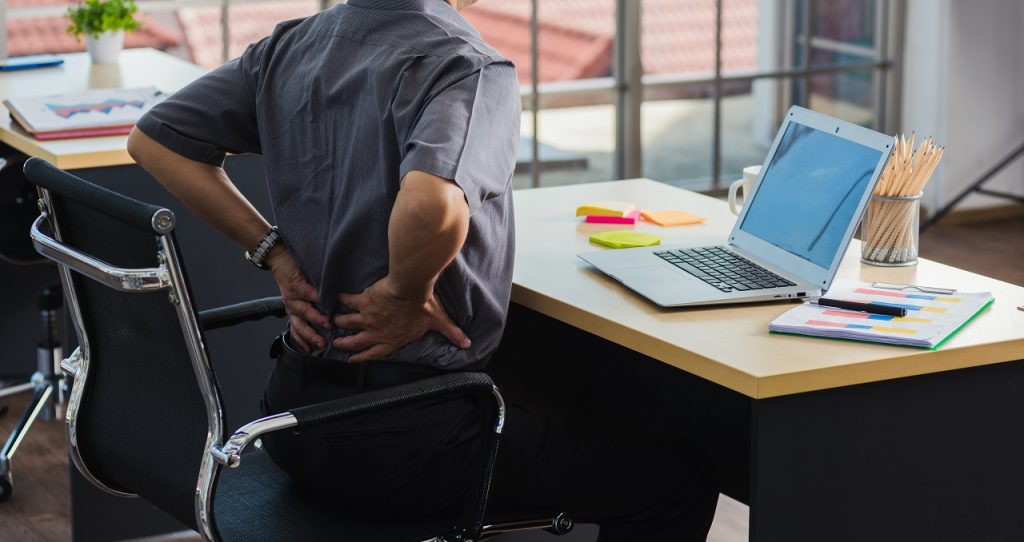
avoid back painBack pain usually originates from the joints, bones, nerves or muscles. It is one of the most common complaints. Back pain may be felt as mild chronic pain going on for years or just for a few seconds or minutes. It can be felt as continuous dull ache, appearing at intervals as well. Constant, sharp pain is usually found in one place or it radiates to other areas like limbs. It can also present a weak, tingling sensation or numbness.



Few Facts About Back Pain 

  • The spine consists of bones, joints, spinal cord, nerves, tendons, ligaments and muscles. Back pain can originate from any of these or overlying muscles
  • In a majority of cases, back pain is self-limited. Most common back pain symptoms are due to inflammation or trauma which may be mild or severe
  • The two most common conditions that cause back pain are degenerative spinal disc disease and spinal disc herniation
  • Innocent causes of the back pain include ligament tear, muscle strain, ruptured or herniated spinal disks, and irritated joints. Environmental factors that cause or aggravate back pain include arthritis, posture at work, obesity, psychological and physical stress.
  • Some other causes include – lack of core strength that creates too much strain on the back, tight muscles which cause inflammation and tight hip flexors as they extend towards the lower back via the pelvic girdle due to improper posture.

Causes and Tips To Avoid Back Pain 

  • Obesity: is a common cause of back pain. As a heavy body contributes to increased pressure on the spine, maintaining a healthy body weight can help reduce your back pain. If you’re seriously overweight, those extra pounds could be straining your spine. Lose some weight and you just might lose the pain. A weight-loss program that includes regular exercise is bound to make your whole body feel better. A nutritious diet, lifestyle modifications and healthy weight can prevent back pain.
  • Poor posture: is a common cause of back pain. Maintain correct postures while standing, sitting and while lifting things. While using a computer or laptop, try to take breaks frequently and practice stretches which will lower your chances of getting back pain. Take regular short breaks in between work. Just getting up from your chair can help break the cycle of clenched muscles.

Tips To Reduce The Pain 

  • Applying a cold compress to the affected area can numb the pain temporarily by desensitizing the underlying nerves. 
  • Heat application through a heating pad, warm bath or hot water bottle can stimulate blood circulation in the area and loosen the tight muscles.
  • Massage therapy could provide short-term relief from acute and chronic back pain.
  • Frequent massages may be costly, but getting a massage once a month can be effective and affordable as well. It is important to select the massage best suited to your problem.
  • Consume a healthy diet consisting of Vitamin D as deficiency and insufficiency can cause or worsen back pain. The correction of it plays an important role in the treatment of chronic back pain. Foods like Fatty fish, liver, egg yolk and mushrooms can improve Vitamin D levels.
  • Avoid high-inflammatory foods such as sugars, trans fats and processed foods to prevent back pain.
  • Train with proper form, regular rehab-strengthening of lower back with exercise such as back extension, superman holds can help strengthen rhomboids to improve posture. 
  • Stretching itself can damage muscle fibers as you’re just tearing them by stretching them instead of contracting them. If you want to stop feeling sore, aggressive stretching is the last thing you’d want to do.

Quick Fix: A foam roller can help in releasing tight muscles. You may look a little weird if you’re the only person in your gym who doesn’t stretch before exercise and prefers to foam roll a sore muscle rather than stretch it out, but your muscles will thank you for it! 

We hope this article helps you alleviate and avoid back pain. If any of the tips above helped you, do share your experience in the comments below! For more tips on improving health and fitness levels, check out Healthy Reads or ask a GOQii Coach by subscribing for Personalised Health Coaching here.

#BeTheForce 

Disclaimer: The information provided in this blog is for general awareness and educational purposes only. It is not intended to replace professional medical advice, diagnosis, or treatment. Always consult a qualified healthcare provider for personalised medical guidance or concerns related to your health.

  • « Previous Page
  • 1
  • …
  • 3
  • 4
  • 5
  • 6
  • 7
  • …
  • 41
  • Next Page »

Search

Recent Posts

  • PCOS and Anxiety: Discover Relief with the 54321 Technique
  • Navigating the Maze of Nutrition: Finding Clarity Amidst Confusion
  • Get children active and keep them healthy
  • What Gestational Diabetes Can Do To You & Your Unborn Child
  • Breathing – A Forgotten Art

Stay Updated

Archives

  • December 2025 (4)
  • November 2025 (15)
  • October 2025 (20)
  • September 2025 (6)
  • August 2025 (6)
  • July 2025 (12)
  • June 2025 (18)
  • May 2025 (16)
  • April 2025 (23)
  • March 2025 (23)
  • February 2025 (22)
  • January 2025 (26)
  • December 2024 (26)
  • November 2024 (25)
  • October 2024 (22)
  • September 2024 (24)
  • August 2024 (31)
  • July 2024 (21)
  • June 2024 (26)
  • May 2024 (31)
  • April 2024 (27)
  • March 2024 (29)
  • February 2024 (26)
  • January 2024 (25)
  • December 2023 (15)
  • November 2023 (11)
  • October 2023 (22)
  • September 2023 (22)
  • August 2023 (20)
  • July 2023 (22)
  • June 2023 (24)
  • May 2023 (24)
  • April 2023 (24)
  • March 2023 (23)
  • February 2023 (20)
  • January 2023 (16)
  • December 2022 (12)
  • November 2022 (15)
  • October 2022 (15)
  • September 2022 (12)
  • August 2022 (10)
  • July 2022 (17)
  • June 2022 (11)
  • May 2022 (10)
  • April 2022 (6)
  • March 2022 (6)
  • February 2022 (13)
  • January 2022 (12)
  • December 2021 (7)
  • November 2021 (3)
  • October 2021 (6)
  • September 2021 (3)
  • August 2021 (8)
  • July 2021 (7)
  • June 2021 (15)
  • May 2021 (16)
  • April 2021 (10)
  • March 2021 (7)
  • February 2021 (4)
  • January 2021 (4)
  • December 2020 (3)
  • November 2020 (4)
  • October 2020 (10)
  • September 2020 (3)
  • August 2020 (3)
  • July 2020 (2)
  • June 2020 (4)
  • May 2020 (10)
  • April 2020 (12)
  • March 2020 (10)
  • February 2020 (4)
  • January 2020 (4)
  • December 2019 (3)
  • November 2019 (7)
  • October 2019 (5)
  • September 2019 (4)
  • August 2019 (9)
  • July 2019 (9)
  • June 2019 (11)
  • May 2019 (4)
  • April 2019 (9)
  • March 2019 (8)
  • February 2019 (9)
  • January 2019 (8)
  • December 2018 (9)
  • November 2018 (3)
  • October 2018 (3)
  • September 2018 (5)
  • August 2018 (10)
  • July 2018 (6)
  • June 2018 (13)
  • May 2018 (8)
  • April 2018 (18)
  • March 2018 (9)
  • February 2018 (8)
  • January 2018 (15)
  • December 2017 (12)
  • November 2017 (19)
  • October 2017 (13)
  • September 2017 (15)
  • August 2017 (4)
  • July 2017 (8)
  • June 2017 (7)
  • May 2017 (6)
  • April 2017 (8)
  • March 2017 (6)
  • February 2017 (7)
  • January 2017 (9)
  • December 2016 (10)
  • November 2016 (7)
  • October 2016 (7)
  • September 2016 (7)
  • August 2016 (11)
  • July 2016 (9)
  • June 2016 (9)
  • May 2016 (12)
  • April 2016 (17)
  • March 2016 (17)
  • February 2016 (8)
  • January 2016 (6)
  • December 2015 (2)
  • November 2015 (9)
  • October 2015 (7)
  • September 2015 (9)
  • August 2015 (11)
  • July 2015 (9)
  • June 2015 (12)
  • May 2015 (9)
  • April 2015 (13)
  • March 2015 (8)
  • February 2015 (5)
  • January 2015 (12)
  • December 2014 (14)
  • November 2014 (11)
  • October 2014 (6)
  • September 2014 (13)
  • August 2014 (12)
  • July 2014 (6)
  • June 2014 (2)
  • May 2014 (7)
  • April 2014 (5)

From “Laddu Nawin” to Fit and Fierce: How a 25-Year-Old Insurance Advisor Shed 20 Kilos and Gained His Life Back

When 25-year-old Nawin Yadav from Hyderabad walked into his office every morning, he carried more than just his files and policy papers. He had the weight of fatigue, sluggish energy, and an ever-growing belly that was becoming the butt of jokes. “People … [Read More...]

“I’ve Challenged Myself to Live 100 Years” – The Story of Chandubhai Savani’s Second Chance at Life

At 67, most people start slowing down. Not Chandubhai Savani. A resident of Surat, Chandubhai, thought life was on track. “My life was going well till I had my bypass surgery,” he says. That surgery, back in 2021, was a wake-up call.  Medication was routine, but exercise wasn’t. His diet? What he calls ‘normal.’ “I […]

From Shimla’s Slopes to Chandigarh’s Sidewalks: Surinder Kaur Bhalla’s Journey from Chaos to Control

Some journeys start with a plan. Others begin with a stumble literally. Surinder Bhalla, a government professional, born and raised in the scenic hill town of Shimla, had always lived a life of movement. “In Shimla, you walked everywhere,” she reflects. “Walking was never an exercise. It was just life.” But after shifting to Chandigarh, […]

Ananda Mukherjee Health Story

From Terminal Illness To Complete Wellness! Ananda Mukherjee Health Story

As we observe World Cancer Day under the powerful theme ‘United by Unique’ (2025-2027)**, we are reminded that every individual’s journey with cancer is distinct, yet united by shared resilience, hope, and the collective fight against this disease. This theme places people at the centre of care and their stories at the heart of the […]

  • HOME
  • HEALTHY LIVING
  • FITNESS
  • HEALTHY RECIPES
  • USER STORIES
  • KARMA
  • BUY GOQii

Copyright ©2016 GOQii
