GOQii

Blog

  • HOME
  • HEALTHY LIVING
  • FITNESS
  • HEALTHY RECIPES
  • USER STORIES
  • KARMA
  • BUY GOQii

Search Results for: doctor

May 23, 2025 By GOQii Leave a Comment

The Emotional Rollercoaster of ADHD

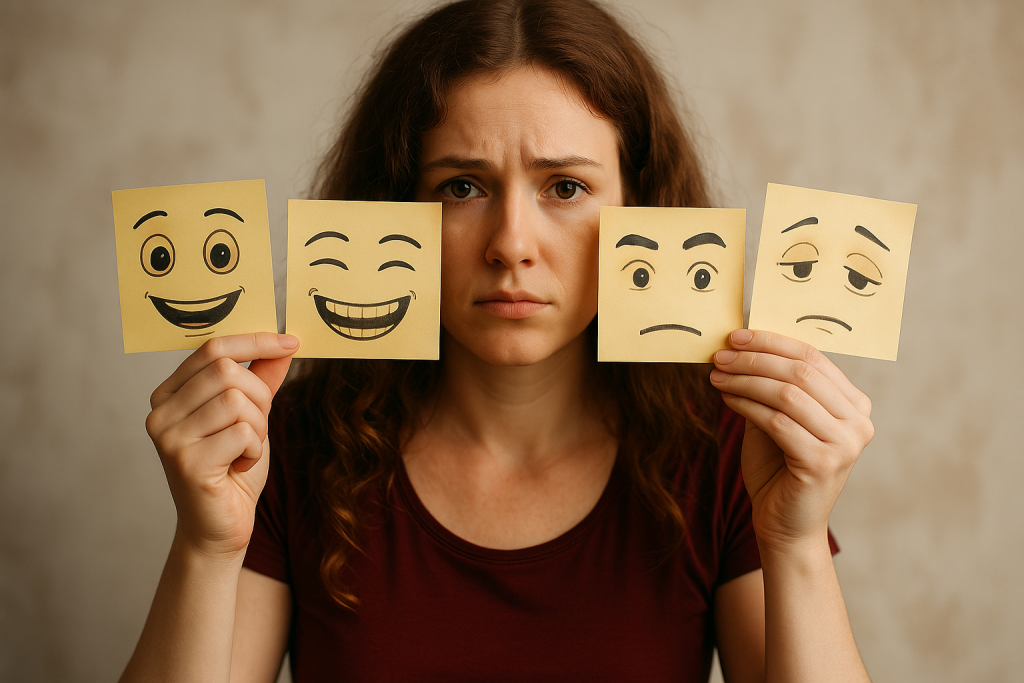
Woman holding cards with different facial expressions, symbolising ADHD emotionsWhy Emotions Feel Intensified – and How to Regulate Them

Living with ADHD isn’t just about being forgetful, distracted, or full of energy. There’s another side that often flies under the radar — the emotional side. If you’ve ever felt like your emotions are turned up to full volume, you’re not imagining things. For many people with ADHD, feelings hit harder, last longer, and can swing wildly in a matter of moments. It’s like being strapped into an emotional rollercoaster you never quite agreed to ride.

Why Emotions Feel So Intense

At its core, ADHD affects how the brain manages attention, impulses, and executive function. But here’s the catch: those same brain circuits also help regulate emotions. When they don’t work as efficiently, it’s not just thoughts that race — emotions do too.

Here are a few reasons why:

  • Delayed emotional regulation: People with ADHD may struggle to “hit the brakes” on emotional reactions. So frustration, excitement, anger or sadness can feel overwhelming and all-consuming.
  • Rejection Sensitivity: Many with ADHD experience what’s called Rejection Sensitive Dysphoria — an extreme emotional response to perceived criticism or failure. A small comment can feel like a personal attack.
  • Low dopamine levels: Dopamine, the brain’s “feel-good” chemical, plays a big role in mood. ADHD brains often have lower baseline levels, which can make mood dips feel sharper and harder to bounce back from.

Hyperfocus on feelings: While people often associate ADHD with distraction, it can also cause someone to hyperfocus — and yes, that includes hyperfocusing on negative emotions, which can be mentally exhausting.

Common Emotional Struggles

If this sounds familiar, you’re not alone. Many people with ADHD report:

  • Sudden anger or irritability that feels out of proportion
  • Emotional outbursts, followed by guilt or confusion
  • Feeling overwhelmed by stress or change
  • Anxiety that spirals quickly
  • Mood swings that can make relationships feel like walking on eggshells

And let’s not forget the emotional hangover that often follows these episodes — that lingering exhaustion after an intense surge of feelings.

Learning to Regulate Emotions

The good news? You can learn to ride the emotional waves without being tossed around by them. Here are a few strategies that help:

  1. Name It to Tame It

Labelling your emotion — “I’m feeling anxious,” or “I’m annoyed right now” — helps activate the rational part of your brain and can give you a small pause to regain control.

  1. Breathe Like You Mean It

Deep, slow breathing (especially using techniques like box breathing or 4-7-8 breathing) can calm your nervous system and reduce emotional intensity in the moment.

  1. Pause Before Reacting

This one takes practice, but try counting to five before responding during a heated moment. That brief delay can help shift your brain out of “reaction” mode.

  1. Keep a Mood Journal

Tracking your emotions can help you identify triggers and patterns. Are there certain people, situations or times of day that set you off? Awareness is half the battle.

  1. Work With a Therapist or Coach

Cognitive Behavioural Therapy (CBT), Emotional Regulation Coaching, or ADHD-specific counselling can help you build tools tailored to your brain’s wiring.

  1. Prioritise Sleep, Food, and Movement

It sounds basic, but if you’re hungry, sleep-deprived or haven’t moved your body in hours, emotions can spiral faster. Build in routines that keep your physical and emotional energy steady.

You’re Not “Too Much”

Being emotionally intense doesn’t make you broken, dramatic, or weak. It makes you human, just one with a slightly more sensitive emotional dial. Many with ADHD are deeply empathetic, creative, and passionate, partly because they feel things so strongly.

So the next time the emotional rollercoaster feels too much, remind yourself — you’re learning how to steer. And with time, awareness, and the right tools, you can ride the highs and lows with more ease.

#BeTheForce

Disclaimer: This blog is for informational purposes only and is not a substitute for professional medical advice, diagnosis, or treatment. Please consult a doctor for personalised guidance and recommendations related to ADHD.
May 20, 2025 By GOQii Leave a Comment

The Power of SMART Goals: Why They Work for ADHD Brains

Goal-setting sounds brilliant in theory. But if you’re living with ADHD, it can often feel like setting yourself up for frustration. You begin with all the enthusiasm in the world—brimming with ideas and intentions—and then… poof. Somewhere between the excitement and the execution, it all unravels.
Sound familiar? You’re not lazy or lacking motivation—your brain simply functions differently. And traditional goal-setting methods don’t always account for that.

That’s where SMART goals come in. They’re not just another corporate catchphrase. They’re a structured approach that works with your ADHD brain, rather than against it.

So, What Are SMART Goals?

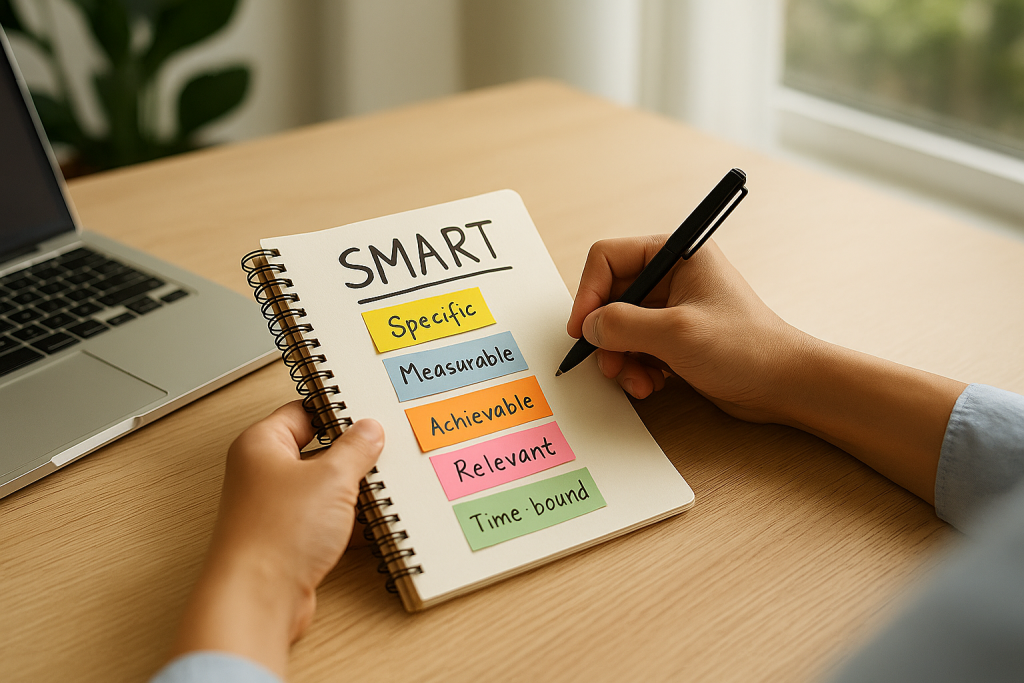
Let’s break it down. SMART is an acronym for:

  • Specific
  • Measurable
  • Achievable
  • Relevant
  • Time-bound

Each element helps transform big, fuzzy ideas into clear, actionable steps. And for those of us with ADHD—where planning, focus, and time management can feel slippery—this kind of structure is invaluable.

Why SMART Goals Suit ADHD So Well

  1. They Cut Through Mental Clutter

Saying “I want to get fit” is broad and, frankly, a bit overwhelming. It’s hard to know where to begin. But saying, “I’ll go for a 20-minute walk three times a week” suddenly feels doable. Your brain has a plan, and that instantly reduces stress and hesitation.

  1. They Give Your Brain a Dopamine Boost

ADHD brains love novelty and quick feedback. That’s why ticking something off a to-do list feels so good. SMART goals provide frequent wins—those satisfying little milestones that trigger dopamine and keep you moving forward.

  1. They Support Follow-Through

Time blindness, distractions, forgetfulness—classic ADHD traits. SMART goals include timelines and checkpoints, helping you stay on track (and making it harder to forget why you started in the first place).

  1. They Build Confidence and Self-Belief

Every time you set and complete a SMART goal, you’re reinforcing trust in yourself. That’s no small thing. Over time, these wins help develop lasting confidence and a healthier internal narrative—something many with ADHD deeply crave.

From Vague to Focused: A Quick Example

  • Vague goal: “I want to read more.”
  • SMART goal: “I’ll read for 15 minutes before bed, four nights a week, for the next month.”

See the difference? One’s a hopeful idea; the other’s a clear, achievable plan that fits your actual routine.

Start Small and Stay Adaptable

The beauty of SMART goals is that they don’t need to be massive. You’re not trying to overhaul your life overnight. Begin with something small. Adjust as needed. And most importantly, be kind to yourself in the process.

This isn’t about perfection—it’s about giving your brilliant, buzzing ADHD brain a reliable roadmap to success.

So next time you feel that spark of inspiration, don’t just make a wish—make it SMART. You’ll be surprised by what you’re capable of.

#BeTheForce

Disclaimer: This blog is for informational purposes only and is not a substitute for professional medical advice, diagnosis, or treatment. Please consult a doctor for personalised guidance and recommendations related to ADHD.

May 19, 2025 By GOQii Leave a Comment

Low-Carb Woes? Here’s How to Tackle the 3 Cs: Cravings, Constipation & Cramps

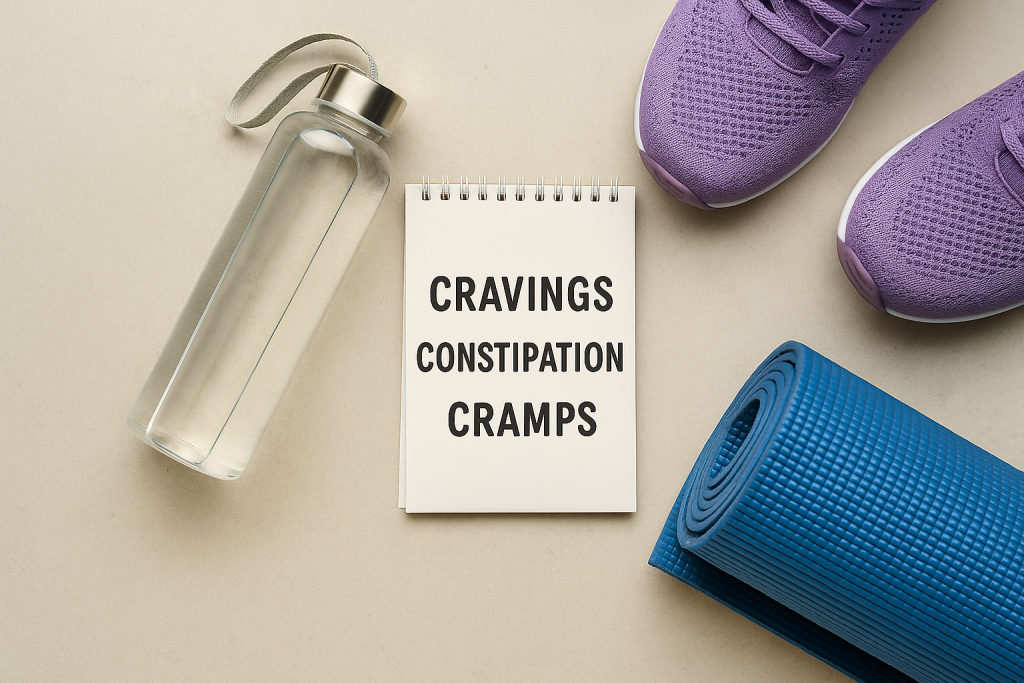
Cravings, Constipation & CrampsStarting a low-carb diet can be a transformative step — especially if you’re aiming to reverse diabetes, improve metabolic health, or simply feel better overall. But the transition isn’t always smooth.
In the early days, it’s common to face a few challenges. Chief among them are cravings, constipation, and cramps — the “3 Cs” that often accompany your body’s adjustment to this new way of eating.

These symptoms are temporary, and they’re not a sign that something’s gone wrong. They simply reflect how your body is adapting. The good news? Each one can be managed effectively with a few simple strategies.

  1. Cravings

What’s happening:
When you cut down on carbohydrates — especially refined sugars and processed starches — your body initially struggles. It’s used to relying on quick sugars for energy, so when that source is removed, it signals hunger more aggressively. This can lead to strong cravings, particularly for high-carb comfort foods.

What helps:

  • Increase healthy fats: Include good fats like avocado, coconut, olive oil, and nuts in your meals. They promote satiety and help control hunger.
  • Eat balanced meals: Ensure your meals include a mix of protein, fibre, and fat. This helps stabilise blood sugar levels and reduces sudden hunger pangs.
  • Hydrate regularly: Often, what feels like a craving is actually dehydration. Aim to drink plenty of water throughout the day.

Distract and reset: A short walk, chewing gum, or even brushing your teeth can help shift your focus away from cravings.

  1. Constipation

What’s happening:
As your carbohydrate intake drops, you may also be eating less fibre — particularly if you’ve eliminated whole grains and haven’t replaced them with fibrous vegetables. This can slow down digestion.

What helps:

  • Prioritise vegetables: Load up on non-starchy vegetables like spinach, broccoli, cucumbers, and courgettes to boost fibre intake.
  • Add natural fibre sources: Chia seeds or ground flaxseeds (1–2 tablespoons a day) are excellent for digestive health.
  • Stay hydrated: Water supports smooth digestion and helps fibre do its job properly.
  • Keep moving: Gentle physical activity, like a daily walk, stimulates bowel movements and supports gut motility.
  1. Cramps

What’s happening:
Low-carb diets lead to reduced insulin levels, which cause the kidneys to excrete more water and, along with it, essential electrolytes like sodium, potassium, and magnesium. This can result in muscle cramps, especially at night. Also, cutting out processed foods often reduces sodium intake, leading to deficiency.

What helps:

  • Salt your food mindfully: A pinch of good-quality salt (sea salt or Himalayan salt) can help restore sodium levels. Aim for around 2 teaspoons per day (unless advised otherwise by your doctor).
  • Replenish magnesium: Include magnesium-rich foods like leafy greens, almonds, and pumpkin seeds. In some cases, a supplement may be useful — consult your doctor.
  • Boost potassium intake: Avocados, mushrooms, and spinach are excellent low-carb sources of potassium.
  • Hydration remains key: Continue drinking adequate fluids throughout the day to support overall electrolyte balance.

Stay the Course

These early side effects are not permanent. They’re part of your body’s natural shift from relying on carbohydrates to using fat as a primary energy source. With a little patience and the right nutritional adjustments, most people notice these symptoms ease within the first two weeks.

Once past this transition, many experience improved energy levels, reduced cravings, better digestion, and overall enhanced well-being.

So if you’re facing the 3 Cs right now — know that it’s temporary. Stay informed, take care of your body, and lean on the DIP principles. You’re on the right track.

#BeTheForce

Disclaimer: The information provided in this blog is for general awareness and educational purposes only. It is not intended to replace professional medical advice, diagnosis, or treatment. Always consult a qualified healthcare provider for personalised medical guidance or concerns related to your health.

May 17, 2025 By GOQii Leave a Comment

How to Create Routines That Benefit Those with ADHD

If you’ve ever tried to stick to a routine and felt like your brain was in full-on protest mode, you’re not alone. For people with ADHD, building and maintaining routines can feel like trying to herd cats: chaotic, frustrating, and at times, downright impossible.



But here’s the good news: routines don’t have to be rigid schedules etched in stone. In fact, for ADHD brains, the most effective routines are flexible, forgiving, and tailored around how you function best – not how someone else says you should.

Let’s explore how to create routines that truly work for people with ADHD – ones that support you rather than box you in.

Why Traditional Routines Often Fall Flat

Typical routines rely heavily on consistency, time awareness, and executive function—all things that can be tricky with ADHD. When routines are too strict or jam-packed with back-to-back tasks, they can quickly become overwhelming. And when that happens? The routine usually goes out the window, followed closely by guilt and a sense of failure.

A more ADHD-friendly approach? Think of routines like a playlist instead of a rigid timetable. You’re not managing every second—you’re creating a rhythm to your day.

Strategies for ADHD-Friendly Routines

  1. Start Small – Seriously Small

Trying to overhaul your entire day at once rarely works. Instead, anchor your day with just one small, achievable habit – like making your bed, having a morning cuppa, or doing a stretch for just five minutes. Once that feels natural, layer on another.

  1. Use Visuals and Prompts

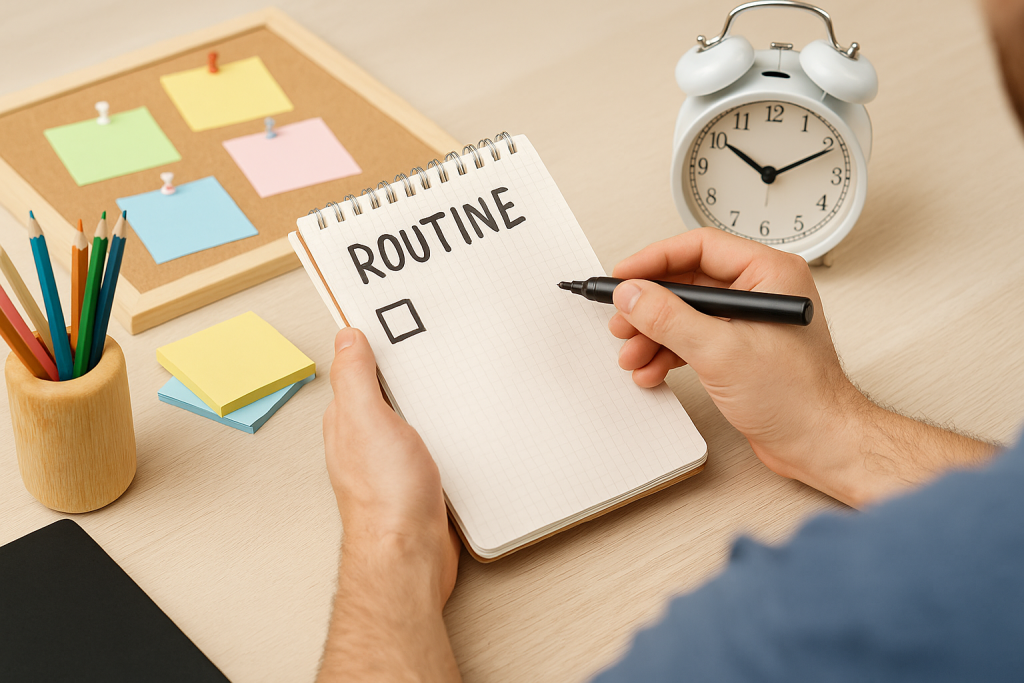
“Out of sight, out of mind” is no joke when it comes to ADHD. Use sticky notes, visual schedules, or alarms on your phone to keep things in view. Colour coding and playful icons can also make things feel a bit more fun and less like a chore.

  1. Work With Your Energy, Not the Clock

Instead of forcing tasks into a rigid timeline, tune into your natural energy flow. If your brain gets going mid-morning, that’s your window for deep work. Do easier tasks—like checking emails or organising things – when your energy is lower.”

  1. Offer Yourself Options

Boredom is a routine killer. Instead of saying “exercise at 7am,” try “choose one: walk, stretch, dance, or do yoga.” You’ll still meet the goal – but with more freedom and flexibility.

  1. Add Gentle Accountability

Whether it’s texting a mate, using a habit-tracking app, or jotting things in a notebook, gentle accountability can help. And remember to celebrate your wins – no matter how tiny.

  1. Forgive Yourself Fast

Missed a routine? Forgot something? That’s okay. One off-day isn’t failure – it’s feedback. Adjust, reboot, and keep moving. Compassion is the glue that keeps a routine together.

Build a Routine That Works With You

A routine isn’t about perfection. It’s about creating a bit of structure in a world that can sometimes feel chaotic. The best routines meet you where you are and help carry you forward.

So toss the guilt. Try what feels good. Make it yours. And most importantly – be kind to yourself. You’ve got this.

#BeTheForce

Disclaimer: This blog is for informational purposes only and is not a substitute for professional medical advice, diagnosis, or treatment. Please consult a doctor for personalised guidance and recommendations related to ADHD.

  • « Previous Page
  • 1
  • …
  • 6
  • 7
  • 8
  • 9
  • 10
  • …
  • 85
  • Next Page »

Search

Recent Posts

  • PCOS and Anxiety: Discover Relief with the 54321 Technique
  • Navigating the Maze of Nutrition: Finding Clarity Amidst Confusion
  • Get children active and keep them healthy
  • What Gestational Diabetes Can Do To You & Your Unborn Child
  • Breathing – A Forgotten Art

Stay Updated

Archives

  • December 2025 (4)
  • November 2025 (15)
  • October 2025 (20)
  • September 2025 (6)
  • August 2025 (6)
  • July 2025 (12)
  • June 2025 (18)
  • May 2025 (16)
  • April 2025 (23)
  • March 2025 (23)
  • February 2025 (22)
  • January 2025 (26)
  • December 2024 (26)
  • November 2024 (25)
  • October 2024 (22)
  • September 2024 (24)
  • August 2024 (31)
  • July 2024 (21)
  • June 2024 (26)
  • May 2024 (31)
  • April 2024 (27)
  • March 2024 (29)
  • February 2024 (26)
  • January 2024 (25)
  • December 2023 (15)
  • November 2023 (11)
  • October 2023 (22)
  • September 2023 (22)
  • August 2023 (20)
  • July 2023 (22)
  • June 2023 (24)
  • May 2023 (24)
  • April 2023 (24)
  • March 2023 (23)
  • February 2023 (20)
  • January 2023 (16)
  • December 2022 (12)
  • November 2022 (15)
  • October 2022 (15)
  • September 2022 (12)
  • August 2022 (10)
  • July 2022 (17)
  • June 2022 (11)
  • May 2022 (10)
  • April 2022 (6)
  • March 2022 (6)
  • February 2022 (13)
  • January 2022 (12)
  • December 2021 (7)
  • November 2021 (3)
  • October 2021 (6)
  • September 2021 (3)
  • August 2021 (8)
  • July 2021 (7)
  • June 2021 (15)
  • May 2021 (16)
  • April 2021 (10)
  • March 2021 (7)
  • February 2021 (4)
  • January 2021 (4)
  • December 2020 (3)
  • November 2020 (4)
  • October 2020 (10)
  • September 2020 (3)
  • August 2020 (3)
  • July 2020 (2)
  • June 2020 (4)
  • May 2020 (10)
  • April 2020 (12)
  • March 2020 (10)
  • February 2020 (4)
  • January 2020 (4)
  • December 2019 (3)
  • November 2019 (7)
  • October 2019 (5)
  • September 2019 (4)
  • August 2019 (9)
  • July 2019 (9)
  • June 2019 (11)
  • May 2019 (4)
  • April 2019 (9)
  • March 2019 (8)
  • February 2019 (9)
  • January 2019 (8)
  • December 2018 (9)
  • November 2018 (3)
  • October 2018 (3)
  • September 2018 (5)
  • August 2018 (10)
  • July 2018 (6)
  • June 2018 (13)
  • May 2018 (8)
  • April 2018 (18)
  • March 2018 (9)
  • February 2018 (8)
  • January 2018 (15)
  • December 2017 (12)
  • November 2017 (19)
  • October 2017 (13)
  • September 2017 (15)
  • August 2017 (4)
  • July 2017 (8)
  • June 2017 (7)
  • May 2017 (6)
  • April 2017 (8)
  • March 2017 (6)
  • February 2017 (7)
  • January 2017 (9)
  • December 2016 (10)
  • November 2016 (7)
  • October 2016 (7)
  • September 2016 (7)
  • August 2016 (11)
  • July 2016 (9)
  • June 2016 (9)
  • May 2016 (12)
  • April 2016 (17)
  • March 2016 (17)
  • February 2016 (8)
  • January 2016 (6)
  • December 2015 (2)
  • November 2015 (9)
  • October 2015 (7)
  • September 2015 (9)
  • August 2015 (11)
  • July 2015 (9)
  • June 2015 (12)
  • May 2015 (9)
  • April 2015 (13)
  • March 2015 (8)
  • February 2015 (5)
  • January 2015 (12)
  • December 2014 (14)
  • November 2014 (11)
  • October 2014 (6)
  • September 2014 (13)
  • August 2014 (12)
  • July 2014 (6)
  • June 2014 (2)
  • May 2014 (7)
  • April 2014 (5)

From “Laddu Nawin” to Fit and Fierce: How a 25-Year-Old Insurance Advisor Shed 20 Kilos and Gained His Life Back

When 25-year-old Nawin Yadav from Hyderabad walked into his office every morning, he carried more than just his files and policy papers. He had the weight of fatigue, sluggish energy, and an ever-growing belly that was becoming the butt of jokes. “People … [Read More...]

“I’ve Challenged Myself to Live 100 Years” – The Story of Chandubhai Savani’s Second Chance at Life

At 67, most people start slowing down. Not Chandubhai Savani. A resident of Surat, Chandubhai, thought life was on track. “My life was going well till I had my bypass surgery,” he says. That surgery, back in 2021, was a wake-up call.  Medication was routine, but exercise wasn’t. His diet? What he calls ‘normal.’ “I […]

From Shimla’s Slopes to Chandigarh’s Sidewalks: Surinder Kaur Bhalla’s Journey from Chaos to Control

Some journeys start with a plan. Others begin with a stumble literally. Surinder Bhalla, a government professional, born and raised in the scenic hill town of Shimla, had always lived a life of movement. “In Shimla, you walked everywhere,” she reflects. “Walking was never an exercise. It was just life.” But after shifting to Chandigarh, […]

Ananda Mukherjee Health Story

From Terminal Illness To Complete Wellness! Ananda Mukherjee Health Story

As we observe World Cancer Day under the powerful theme ‘United by Unique’ (2025-2027)**, we are reminded that every individual’s journey with cancer is distinct, yet united by shared resilience, hope, and the collective fight against this disease. This theme places people at the centre of care and their stories at the heart of the […]

  • HOME
  • HEALTHY LIVING
  • FITNESS
  • HEALTHY RECIPES
  • USER STORIES
  • KARMA
  • BUY GOQii

Copyright ©2016 GOQii
