
GOQii

Blog

  • HOME
  • HEALTHY LIVING
  • FITNESS
  • HEALTHY RECIPES
  • USER STORIES
  • KARMA
  • BUY GOQii

Search Results for: doctor

February 16, 2023 By Sanjana Shah Leave a Comment

The Link Between Sugar and Child Behavior

The Link Between Sugar and Child BehaviorIs sugar and child behavior connected? Before we delve into that, we need to understand that a perfect balanced diet of carbs, proteins, essential fats, vitamins and minerals is important during the growing age of the child. It is an ongoing research on whether food intake is really linked to a child’s behavior and mood. Below are the effects of healthy and unhealthy eating habits on the mood and behavior of a child.

Healthy Eating Habits (Includes a balanced diet)

  • Better concentration
  • Improved learning skills
  • High grasping power
  • Socially active in making friends, prefers to play in groups
Unhealthy Eating Habits (Includes consumption of sugary food, preservative containing food, food colouring foods)

  • Lack of concentration in any given task
  • Hyperactive
  • Mood swings
  • Nutritional Deficiencies

We tend to correlate the word ‘kids’ with chocolates, ice creams, candies and cakes, etc.. The basic ingredient in these items is sugar!

Sugar and Child Behavior in Relation to Nutrition

Sugars are simple carbohydrates that easily get absorbed in blood glucose. Sugar is an empty calorie food i.e it has no nutrients and provides only energy.

Sugars have various forms like white sugar, brown sugar, honey and corn syrup. It’s a myth that jaggery, honey and brown sugar are better off than white sugar. Calories coming from them are same. The only difference is that white sugar is absorbed faster in the bloodstream than other sources.

Fruits naturally contain fructose with fiber which makes you feel fuller and are rich in water content, vitamins and minerals. On the other hand, colas or sugar candies contains only fructose syrup which disrupts the brain signal of being full and the child feels hungry again

Hidden Sugars in Food

Hidden Sugar means that the packet of food doesn’t show the word sugar on the ingredient list but still contains sugar labelled as other names such as dextrose, dextrin, corn syrup, or barley malt.

When consumed more than the required amounts and on a daily basis, sugar affects various parts of the body and mind:

  • Teeth (Tooth Cavities): Bacteria live on sugar medium. When kids don’t brush well or don’t drink water after eating, bacteria tends to overgrow, which in turn leads to cavities and tooth decay.
  • Brain: Impaired ability to memorise things, as the brain doesn’t get the right amount of nutrients to function.
  • Behavior: Sugar numbs the neurons in the brain, shortens a child’s attention span and makes them hyperactive.
  • Immunity: Constant bouts of cold and cough makes it difficult to sleep at night.
  • Metabolism: A child is at a higher risk of being obese and developing long term diseases like Diabetes.
  • Hormonal: Being in the growing stage, they are more prone to hormonal issues like acne, early onset of puberty, dandruff, skin issues, impaired growth.
  • Worms: Thread worms are caused due to bacteria thrive on sugar if the intake is high.

How to Minimize Sugar Dependence

  • As parents, we need to change our attitude of rewarding kids with sugar-rich foods every time they complete a task or behave well.
  • Fix up a Treat day like once a week or fortnightly wherein only on that day they can eat their favourite chocolate, cakes or candies
  • Substitute ready to drink fruit beverages with homemade smoothies or freshly prepared pulp fruit juice
  • Train them to choose healthy items like high fiber biscuits instead of cream-based biscuits
  • Prepare desserts at home with less sugar and store it. This way you minimize the chances of buying them from a shop
  • Be gradual and change one habit at a time. Don’t be adamant on changing the habits all at once.

How to Encourage Healthy Eating Habits

  • Make them learn all the food groups – vegetables, fruits, cereals, pulses, dairy. Either draw it on a paper or show them the real foods. Ask them to pick up the ones they want to eat for that particular day. This way, you can plan for 2-3 days in advance.
  • Usually, unhealthy eating habits make them vitamin and mineral deficient. So consult your doctor and start the appropriate supplements for it.
  • Prepare attractive snacking ideas in their tiffin boxes like a veggie stuffed roll, colourful sandwich, idlis made with spinach puree or tricolour idlis.
  • Remember the negative effects of unhealthy eating don’t show up immediately. It’s a long term consequence. But if the child’s health is compromised with headaches, asthma, cold/cough then the negative effects are seen in the short term.

Another important factor is being intolerant to certain food items like dairy products (casein) or gluten (wheat), which may make them aggressive, cranky and/or fussy. Common food allergens like soy, peanuts, corn and nuts also adversely affect the behaviour of the child in a negative way.

It is always better to read labels of food packets before purchasing. Be aware of what you and your kids are consuming. In case of doubts, do consult a doctor or nutritionist.

We hope this article on sugar and child behavior helps you make smarter nutritional choices for your children. Do let us know your thoughts in the comments below. For more on Kid’s Health, click here. To get expert advice, speak to a GOQii Coach by subscribing for Personalised Health Coaching.

#BeTheForce
February 14, 2023 By Sunita Arora 4 Comments

10 Inflammation Fighting Winter Foods You Must Include In Your Diet

inflammation remedyInflammation is linked with so many serious illnesses such as diabetes, heart diseases, asthma, arthritis, etc. The use of anti-inflammatory drugs is very common and sometimes with no alternative as well. As they say, prevention is always better than cure! Eating anti-inflammatory food is a natural solution without any side effects.  During winter, there’s less flow of blood which makes the joints colder and stiffer – leading to inflammation. The pain receptors become more sensitive in winters which result in pain, swelling in joints and other parts of the body.

Fight Inflammation with a Healthy Diet

Here’s a list of foods that should be included in your diet during winter to prevent inflammation.

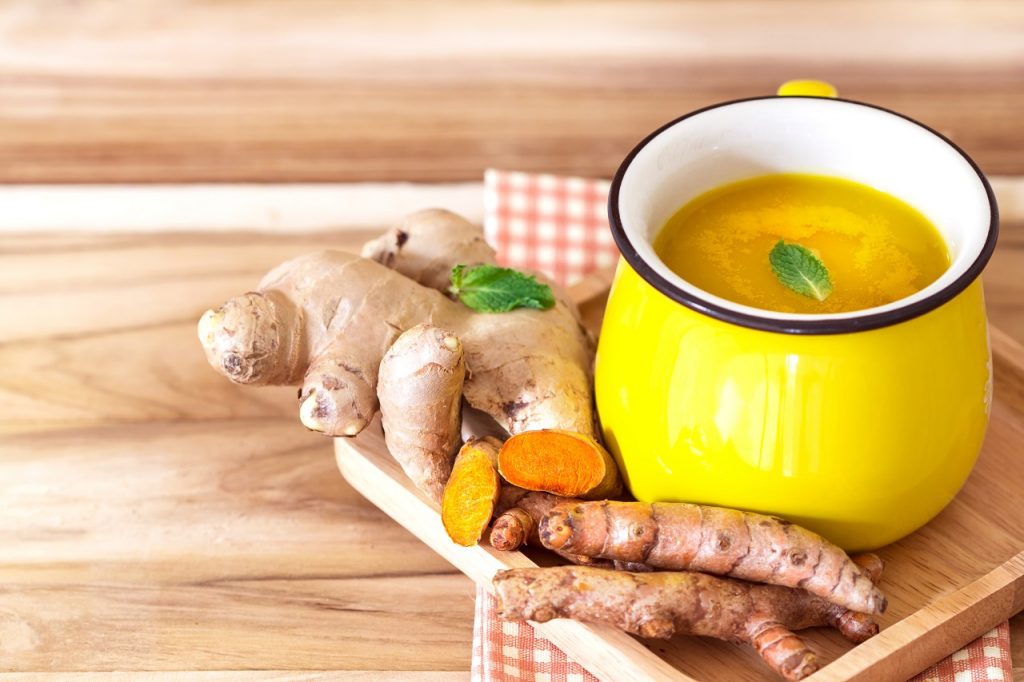
  1. Turmeric: This spice is also known as “Yellow Gold” in western countries. The Indian cuisine is incomplete without this spice.  It’s a food enhancer with great health values. It has curcumin which is a very powerful anti-inflammatory substance. Turmeric works great in treating rheumatoid arthritis and fighting inflammation.
  2. Ginger: is a great valuable cooking spice in our kitchen. It has powerful anti-inflammatory properties. It helps in lessen inflammation as well in treating allergic infections, especially during the winter season.  We normally use this spice while making tea, soup, curries, etc.
  3. Walnuts: are always my favourite healthy snacking option during winter. It contains phytonutrients which reduce the risk of heart diseases and diabetes. It has omega 3 fatty acids which reduce inflammation in the body.
  4. Beets: are highly rich in antioxidants and they do a good job in reducing inflammation. It’s a valuable vegetable loaded with magnesium. We should not forget beets in our daily diet (in salads, curd, smoothies) during winter.
  5. Green Leafy Vegetables: like spinach, kale, mustard and fenugreek grow best in winter. Due to the richness of antioxidants, omega3 fatty acids, Vit-C, etc. we should include them regularly in winter months.
  6. Pineapple: It contains a substance called bromelain that reduces the infections during winter and lessens the risk of strokes and even heart diseases. It works as a great remedy for people who have high uric acid (Gout). Bromelain also helps reduce inflammation.
  7. Blueberries: are my favorite! It has an antioxidant substance named quercetin which is generally found in citrus fruits. Quercetin is very effective in decreasing many types of infections and fighting cancer.
  8. Broccoli: is a very nutritious cruciferous vegetable that is rich in antioxidants. It has high amounts of potassium and magnesium with anti-inflammatory properties. It reduces stress and the risk of cancer. A disclaimer here: If you have thyroid, avoid eating cruciferous vegetables 
  9. Tomatoes: are a nutritional powerhouse. It’s packed with antioxidants and anti-inflammatory properties. Tomatoes are an excellent source of lycopene which reduces inflammation in the body and helps protect the body against cancer as well.  
  10. Salmon: As we have already discussed so many anti-inflammatory fruits and vegetables, Salmon is a non-vegetarian option. It’s great anti-inflammatory food with essential omega 3 fatty acid alpha-linolenic acid. Omega 3 gives relief in inflammation and can reduce the need for anti-inflammatory drugs. 

Apart from above you can:

  • Dress warmly depending on the weather
  • Stay hydrated and active
  • Exercise regularly to strengthen your muscles
  • Get out under the sun to maintain vitamin D levels
  • Eat a balanced diet and maintain a healthy weight

Include the above foods to your diet to enjoy an inflammation-free winter! If you feel extreme discomfort or inflammation in your body, consult a Doctor.

For more winter tips and remedies, click here or speak to a GOQii Coach by subscribing for Personalised Health Coaching here: https://goqiiapp.page.link/bsr 

Do leave your thoughts in the comments below! 

#BeTheForce 

January 23, 2023 By Navnee Garg 1 Comment

5 Common Weightlifting Myths You Should Stop Believing

weightliftingIf you have already browsed through countless articles on the internet before taking your first step towards weightlifting, then there might be a lot of questions on your mind. More so, because of the contradicting and confusing nature of the content you get online. The most common one being that you need a gym membership for weightlifting.
In a country that’s rapidly growing, it’s time we leave these myths and series of false information behind with some facts shared by certified experts. So here, we will be sharing some common myths making the rounds on the internet about strength training.

Myth #1: Weightlifting Makes Women Bulkier

Fortunately for all the ladies out there, this is not true! The muscles in a woman’s body are different in composition than that of men. In fact, weightlifting along with a combination of cardio encourages more fat loss in women. One can begin with a minimum of 2kg and gradually increase the sets and reps along with weights.

Myth #2: No Pain = No Gain

You’ve probably heard this a gazillion times by now! If your body hurts or your muscles are sore, then your training is working. Ideally, that’s not true. Muscle soreness is common in the beginning but can be reduced within the recovery period. But, at times, it can also be because of incorrect posture or overexertion. Rest and recovery is equally important in weightlifting or strength training. In cases of extreme soreness, you need to rest and recover.

Myth #3: Lift Light Weights to Tone Muscles

This one is commonly known as the ‘Pink Dumbbell Myth’. The fact is that lifting lighter weights for higher reps will help you increase muscular endurance and it does have a place in training routines, but that lean, defined look comes from losing body fat. So, the weight will always depend on your fitness goal, but one will need to try a variety of reps and weight ranges to achieve results.

Myth #4: Older People Should Not Lift Weights

This is completely untrue. Elders can lift weights, keeping in consideration that the weight and reps should be advised by a certified trainer. An elderly person should also keep their medical conditions, risk factors and all in mind. Most importantly, they should consult their doctor before starting any training routine!

Myth #5: You Need a Gym

That is not true! You don’t have to empty your pockets and sign up to an expensive gym or service. All you need is dedication towards your goal! Surprisingly, you can train even in a small corner of your room. Your body itself is a gym. You can start with body weight workouts to break the ice. To take it a level ahead, all you’ll need is a pair of dumbbells or barbell curls to transform your body.

These were some of the common myths I have encountered so far. How about you? Have you heard anything on these lines? Share them with us in the comments below and let’s begin busting some myths together!

For more fitness related articles, check out Healthy Reads or join our live, interactive video sessions on GOQii PRO within the GOQii App, where you can get one-on-one guidance in real time by certified fitness experts.

#BeTheForce   

January 13, 2023 By Rajashree Menon Leave a Comment

Taking Ownership Of Diabetes Through Education and Awareness

Diabetes ManagementDiya was a young girl who seemed as active as can be. She trekked, hit the gym, albeit sporadically, had a healthy appetite and as she called it, ‘lived to eat’. At 30, there was a blood donation drive and check-up in the organisation she worked at and here, she was diagnosed with diabetes. There were no other alarm bells ringing; she thought she was healthy! The doctor prescribed medications. She carried on with her life till a shooting pain in the chest made her rethink her lifestyle.



Prakash was detected with Diabetes in his late 30’s. A history of smoking, stress infused work situation, being overweight and a family history of Diabetes made a potent combination which led him to the road to Diabetes. He continued his unchecked lifestyle along with sporadic visits to the general practitioner till he found his vision blurring and a burning pain in his limbs, which made it difficult for him to sleep. Faced with diabetes complications, he knew he had to seek help from the right doctors, eat the right diet and correct his lifestyle before it was too late.

That is the scenario for most people and that is the stealthy attitude of diabetes; it creeps in and hits you. Once diagnosed, either medication is taken or not. Rarely is there a consistent follow-up. Medications tend to plateau after a while and if there is no consultation with doctors regularly, no scheduled blood tests, no nutrition assessments, no exercise patterns, it augurs for something deep and dark. This is seen as the initial concerns with diabetes control. Not everyone takes it critically. But not everyone has access to proper doctors and nutritionists.

Diabetes Is Not Taken As A Serious Disease

Consistency is key for maintaining and even reversal. Yes, in the early stages, a reversal is possible. A diabetes patient needs support, needs family and friends to assist in their journey, as it is a challenge. More than mere support, it is about adherence.

It is about breaking the habit. It is about changing habits. The first feeling when one is diagnosed is shock, helplessness, feeling of depression. As an illness, diabetes is debilitating in the long run as it has an overall effect on almost every part of the body, externally and internally. And yet, it can be controlled, and in some cases, reversed.

But now comes the challenging phase of education i.e. control and solution, and it is not easy. Besides medical advice, traditional indigenous methods are offered, and they have been helpful. Hence, understanding what goes into the treatment of diabetes is crucial.

So let’s look at the aspects of diabetes management.

1. Education

At first, you’ve got to understand the diagnosis – is it Type 1 or Type 2. Understand the various repercussions of the type of diabetes you have. Consult your doctor, read reputed websites for knowledge of diabetes and diabetes management. Listen to conventional wisdom and follow the advice of the doctors. Get on a plan.

2. Nutrition

Nutrition involves two aspects – Medication – those suggested by the doctors and home grown indigenous supplementary methods have also been beneficial. The other aspect is Food – what can be eaten, what can be paired together, and what must be avoided.

Meal composition – high protein, low carbs. Understanding foods with a high glycaemic index (foods that spike up sugar levels in the blood are to be avoided). Another important aspect is the timing of when you eat. Fad diets are not helpful and can be harmful. Sustainable, sensible eating and not temporary ‘diet eating’, one in which you can measure what you eat for a long period of time, is important.

Hydration – drinking water is extremely essential. Essentially, what you ingest can help in lowering possible future microvascular damage and other complications.

3. Control

Diabetes care needs discipline. Controlling diabetes involves complying with a proper course of medication and a healthy living construct. It is imperative that you maintain regular follow-ups with the doctor. Blood work, especially HbA1C levels must be checked every quarter to enable proper diabetes care.

Most doctors complain that follow-ups are low, if any. What has shown progress is that along with medications, the main aspect is weaving exercise into your lifestyle. Walking and light exercise has shown to have tremendous benefits in controlling and lowering HbA1C levels. Recent studies have shown that a 10-minute walk after every meal has proved as beneficial as a 30-minute walk every day.

4. Solution

So how do we control and/or reverse diabetes? Diabetes may be a global pandemic and India has the second highest number of cases, but the solution is simple! It is proper management through medication adherence, education, lifestyle changes, self-monitoring, keeping up with doctor appointments and awareness of the issues that could be faced in the future.

The first step is to take ownership of the disease. This can be achieved through awareness, which happens through education. The medical community and the Diabetes Patient Community on Social Media and other close knit communities or groups ensure that you understand what people are going through, and the solutions that are available. Holistic management of diabetes ensures that the patient with diabetes wins in the game of life. Do not panic. It is easy and definitely do-able. It is not rocket science!

If you need help or support managing Diabetes, join GOQii’s Diabetes Care Program. It’s India’s only diabetes program that is driven by Smart Science and Personal Coaching to improve Fasting Blood Sugar (FBS), Postprandial Blood Sugar (PP), and reduce HbA1c levels. You can subscribe here: https://store.goqii.com/diabetescare

For more tips on how to manage diabetes, check out Healthy Reads.

#BeTheForce

  • « Previous Page
  • 1
  • …
  • 38
  • 39
  • 40
  • 41
  • 42
  • …
  • 85
  • Next Page »

Search

Recent Posts

  • ALL ABOUT VERTIGO!
  • PCOS and Anxiety: Discover Relief with the 54321 Technique
  • Navigating the Maze of Nutrition: Finding Clarity Amidst Confusion
  • Get children active and keep them healthy
  • What Gestational Diabetes Can Do To You & Your Unborn Child

Stay Updated

Archives

  • December 2025 (5)
  • November 2025 (15)
  • October 2025 (20)
  • September 2025 (6)
  • August 2025 (6)
  • July 2025 (12)
  • June 2025 (18)
  • May 2025 (16)
  • April 2025 (23)
  • March 2025 (23)
  • February 2025 (22)
  • January 2025 (26)
  • December 2024 (26)
  • November 2024 (25)
  • October 2024 (22)
  • September 2024 (24)
  • August 2024 (31)
  • July 2024 (21)
  • June 2024 (26)
  • May 2024 (31)
  • April 2024 (27)
  • March 2024 (29)
  • February 2024 (26)
  • January 2024 (25)
  • December 2023 (15)
  • November 2023 (11)
  • October 2023 (22)
  • September 2023 (22)
  • August 2023 (20)
  • July 2023 (22)
  • June 2023 (24)
  • May 2023 (24)
  • April 2023 (24)
  • March 2023 (23)
  • February 2023 (20)
  • January 2023 (16)
  • December 2022 (12)
  • November 2022 (15)
  • October 2022 (15)
  • September 2022 (12)
  • August 2022 (10)
  • July 2022 (17)
  • June 2022 (11)
  • May 2022 (10)
  • April 2022 (6)
  • March 2022 (6)
  • February 2022 (13)
  • January 2022 (12)
  • December 2021 (7)
  • November 2021 (3)
  • October 2021 (6)
  • September 2021 (3)
  • August 2021 (8)
  • July 2021 (7)
  • June 2021 (15)
  • May 2021 (16)
  • April 2021 (10)
  • March 2021 (7)
  • February 2021 (4)
  • January 2021 (4)
  • December 2020 (3)
  • November 2020 (4)
  • October 2020 (10)
  • September 2020 (3)
  • August 2020 (3)
  • July 2020 (2)
  • June 2020 (4)
  • May 2020 (10)
  • April 2020 (12)
  • March 2020 (10)
  • February 2020 (4)
  • January 2020 (4)
  • December 2019 (3)
  • November 2019 (7)
  • October 2019 (5)
  • September 2019 (4)
  • August 2019 (9)
  • July 2019 (9)
  • June 2019 (11)
  • May 2019 (4)
  • April 2019 (9)
  • March 2019 (8)
  • February 2019 (9)
  • January 2019 (8)
  • December 2018 (9)
  • November 2018 (3)
  • October 2018 (3)
  • September 2018 (5)
  • August 2018 (10)
  • July 2018 (6)
  • June 2018 (13)
  • May 2018 (8)
  • April 2018 (18)
  • March 2018 (9)
  • February 2018 (8)
  • January 2018 (15)
  • December 2017 (12)
  • November 2017 (19)
  • October 2017 (13)
  • September 2017 (15)
  • August 2017 (4)
  • July 2017 (8)
  • June 2017 (7)
  • May 2017 (6)
  • April 2017 (8)
  • March 2017 (6)
  • February 2017 (7)
  • January 2017 (9)
  • December 2016 (10)
  • November 2016 (7)
  • October 2016 (7)
  • September 2016 (7)
  • August 2016 (11)
  • July 2016 (9)
  • June 2016 (9)
  • May 2016 (12)
  • April 2016 (17)
  • March 2016 (17)
  • February 2016 (8)
  • January 2016 (6)
  • December 2015 (2)
  • November 2015 (9)
  • October 2015 (7)
  • September 2015 (9)
  • August 2015 (11)
  • July 2015 (9)
  • June 2015 (12)
  • May 2015 (9)
  • April 2015 (13)
  • March 2015 (8)
  • February 2015 (5)
  • January 2015 (12)
  • December 2014 (14)
  • November 2014 (11)
  • October 2014 (6)
  • September 2014 (13)
  • August 2014 (12)
  • July 2014 (6)
  • June 2014 (2)
  • May 2014 (7)
  • April 2014 (5)

From “Laddu Nawin” to Fit and Fierce: How a 25-Year-Old Insurance Advisor Shed 20 Kilos and Gained His Life Back

When 25-year-old Nawin Yadav from Hyderabad walked into his office every morning, he carried more than just his files and policy papers. He had the weight of fatigue, sluggish energy, and an ever-growing belly that was becoming the butt of jokes. “People … [Read More...]

“I’ve Challenged Myself to Live 100 Years” – The Story of Chandubhai Savani’s Second Chance at Life

At 67, most people start slowing down. Not Chandubhai Savani. A resident of Surat, Chandubhai, thought life was on track. “My life was going well till I had my bypass surgery,” he says. That surgery, back in 2021, was a wake-up call.  Medication was routine, but exercise wasn’t. His diet? What he calls ‘normal.’ “I […]

From Shimla’s Slopes to Chandigarh’s Sidewalks: Surinder Kaur Bhalla’s Journey from Chaos to Control

Some journeys start with a plan. Others begin with a stumble literally. Surinder Bhalla, a government professional, born and raised in the scenic hill town of Shimla, had always lived a life of movement. “In Shimla, you walked everywhere,” she reflects. “Walking was never an exercise. It was just life.” But after shifting to Chandigarh, […]

Ananda Mukherjee Health Story

From Terminal Illness To Complete Wellness! Ananda Mukherjee Health Story

As we observe World Cancer Day under the powerful theme ‘United by Unique’ (2025-2027)**, we are reminded that every individual’s journey with cancer is distinct, yet united by shared resilience, hope, and the collective fight against this disease. This theme places people at the centre of care and their stories at the heart of the […]

  • HOME
  • HEALTHY LIVING
  • FITNESS
  • HEALTHY RECIPES
  • USER STORIES
  • KARMA
  • BUY GOQii

Copyright ©2016 GOQii
