GOQii

Blog

  • HOME
  • HEALTHY LIVING
  • FITNESS
  • HEALTHY RECIPES
  • USER STORIES
  • KARMA
  • BUY GOQii

Search Results for: doctor

April 21, 2025 By Arooshi Garg Leave a Comment

Improve your immunity with yoga

Interesting facts about yogaOur immune system is constantly working behind the scenes to protect us from illness and infection. But sometimes, it needs a little help. The good news? Yoga can offer that support. Practised regularly, specific yoga poses not only strengthen the body but also stimulate the physiological systems closely linked to immunity—such as the digestive, circulatory, endocrine, and nervous systems.

Let’s explore how yoga can enhance your immunity and the simple poses you can start with today.

How Yoga supports immunity?

  • Stimulates key systems: Yoga activates the digestive, circulatory, endocrine, and nervous systems—each crucial for immune function.
  • Improves detoxification and oxygenation: It boosts lymphatic circulation, helping your body remove toxins more efficiently.
  • Balances body chemistry: Through stimulation of glands like the thymus and thyroid.
  • Reduces stress and fatigue: Chronic stress compromises immunity—yoga counters this by calming the mind and body.
  • Supports digestion: Better digestion leads to improved nutrient absorption and toxin elimination.
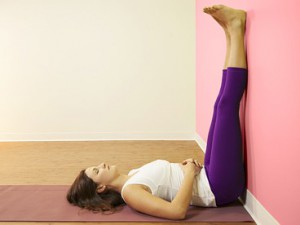
  1. Legs Up The Wall (Viparita Karani)

legs-up-the-wall-pose-viparita-karani

This gentle inversion helps drain lymphatic fluid, refresh tired legs, and ease tension in the lower back.

How to do it:

  • Sit side-on to a wall and swing your legs up as you lie back.
  • Adjust your hips closer to the wall for comfort.
  • Rest your arms by your side or on your belly.
  • Stay for 5–10 minutes, breathing slowly and deeply.

Benefits:

  • Reduces swelling and fatigue
  • Aids circulation and relaxation
  • Calms the nervous system

Avoid if you have: Glaucoma, hernia, hypertension, or serious cardiac issues.

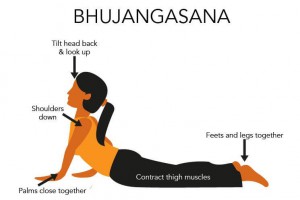
  1. Cobra Pose (Bhujangasana)

Bhujangasana-2

A gentle backbend that stimulates the thymus gland—boosting T-cell production and improving immune response.

How to do it:

  • Lie on your stomach, hands beneath your shoulders.
  • Press into your palms as you lift your chest, engaging your core.
  • Keep your elbows close and neck neutral.
  • Hold for a few breaths, then release.

Benefits:

  • Strengthens the back and spine
  • Improves breathing capacity

Boosts circulation and energy

Precautions: Common postural errors during this asana include overarching the neck and lower back. One recommendation is to keep the gaze directed down at the floor and focus on bringing movement into the area between the shoulder blades (the thoracic area, or middle back).

  1. Fish Pose (Matsyasana)

Fishpose-3

This heart-opening posture supports lung health and stimulates the immune-regulating thymus gland.

How to do it:

  • Lie on your back and prop yourself up on your elbows.
  • Gently arch your back and allow the crown of your head to rest lightly on the mat.
  • Breathe deeply and hold for 30 seconds to a minute.

Benefits:

  • Enhances respiratory health
  • Releases chest and sinus congestion

Improves digestion and spinal mobility

  1. Downward Dog Asana (Urdhav Mukha Svanasana)
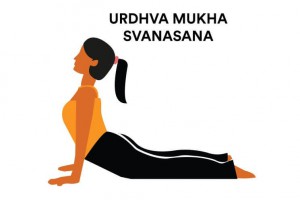
Adho Mukha Svanasana-4 - Copy

This classic pose energises the body, stretches key muscles, and improves blood flow—especially to the head and sinuses.

How to do it:

  • Start on all fours.
  • Tuck your toes and lift your hips, forming an inverted “V”.
  • Keep your spine long, arms strong, and heels reaching towards the floor.

Benefits:

  • Strengthens the whole body
  • Drains sinuses and boosts immunity
  • Calms the mind and relieves fatigue
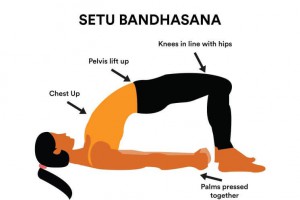
  1. Bridge Pose (Setu Bandhasana)

setu -5

This restorative backbend opens the chest, massages the spine, and relieves stress and tension.

How to do it:

  • Lie on your back, knees bent, feet hip-width apart.
  • Press your feet into the floor and lift your hips.
  • Clasp your hands under your back and roll onto your shoulders.
  • Hold for 30 seconds to 1 minute.

Benefits:

  • Stimulates the lungs and thyroid gland
  • Relieves anxiety and fatigue
  • Encourages spinal flexibility

Yoga is more than physical movement—it’s a tool for resilience. Regular practice can support immunity not only by enhancing the body’s natural defences but also by calming the mind and easing stress, both of which are critical for immune health.

That said, if you have an existing medical condition, are recovering from illness, or are new to yoga, please consult your doctor before beginning any new exercise routine—especially if you’re unsure whether certain poses are safe for you.

Start small. Choose one or two poses that resonate with you and practise them daily. Over time, you’ll feel stronger, calmer, and better equipped to handle whatever life throws your way.

#BeTheForce

Disclaimer: The information provided in this blog is for general awareness and educational purposes only. It is not intended to replace professional medical advice, diagnosis, or treatment. Always consult a qualified healthcare provider for personalised medical guidance or concerns related to your health.

April 9, 2025 By GOQii Leave a Comment

Sunlight & Vitamin D: Nature’s Feel-Good Formula for Health

When you think of the sun, what comes to mind? Warmth on your skin? A beautiful morning walk? Or perhaps the occasional sunburn?
What if we told you the sun is also one of the most powerful natural healers available to us?

Sunlight, in moderation, is essential—not just for mood and energy—but because it helps our bodies make Vitamin D, a key nutrient that supports your bones, immune system, and even blood sugar control. Let’s break down how you can harness the power of the sun to boost your overall health (and yes, without getting sunburnt!).

☀️ How the Sun Helps Make Vitamin D

When sunlight hits your skin, it triggers a reaction that produces vitamin D. About 80% of the vitamin D your body needs comes from this process, making sun exposure the most effective natural source.

But it’s all about balance. Too much sun can cause damage, while 10 to 30 minutes of sunlight, especially in the early morning or late afternoon, can do wonders—depending on your skin type and where you live.

✨ Bonus: Early morning light also helps regulate your body clock, which means better sleep and improved mental clarity.

🧠 Why Vitamin D Matters

Here’s what happens when your body gets enough Vitamin D:

✔️ Your immune system gets a boost – Helps fight infections more effectively
✔️ Your bones and muscles stay strong – Supports calcium absorption and muscle repair
✔️ Your mood improves – Low vitamin D has been linked to depression and low energy
✔️ You sleep better – Supports your natural sleep-wake cycle
✔️ Your blood sugar stays steadier – May improve insulin sensitivity, especially helpful for those managing diabetes

🚶‍♀️ Sun + Movement = Double the Benefits

If you’re exercising outdoors, you’re getting both physical and nutritional benefits. Walking, jogging, cycling, gardening—even 20 minutes of light activity outside can help lift your spirits while supporting vitamin D production.

So yes, that peaceful walk in the park? It’s not just good for your heart—it’s good for your bones, mood, and immunity too.

🥦 Foods That Help Top Up Vitamin D

While sunlight is your best source, some foods can help too—especially when sunshine is in short supply.

✅ Oily fish – salmon, sardines, mackerel
✅ Eggs – particularly the yolk
✅ Nuts – a great on-the-go snack
✅ Leafy greens – spinach, kale, and similar
✅ Fortified foods – plant milks, cereals (check labels)

These are nutrient-packed choices that often fit well into low-carb or blood sugar-friendly meal plans.

💊 Should You Take a Supplement?

If you live in a region with limited sunlight (especially in winter), or you spend most of your time indoors, you may struggle to get enough vitamin D naturally.

That’s where supplements can help.

Many people find that 1000 IU per day is a safe and effective amount—but always speak with your doctor or nutritionist first, especially if you have any health conditions.

🧴 A Quick Note on Safe Sun Habits

  • Start with short exposure in the morning
  • Let your skin absorb some sun without sunscreen for the first 10 minutes
  • After that, apply sunscreen, especially if staying out longer
  • Dark skin tones may need more exposure to produce the same amount of vitamin D

Vitamin D isn’t just about stronger bones or fighting colds. It’s about helping your body and mind work at their best—from better mood to stronger immunity, steadier sleep, and balanced hormones.

So, step outside. Stretch. Breathe deeply. And soak in a little bit of nature’s original health supplement.

Just 20 minutes a day could make a world of difference.

#BeTheForce

April 7, 2025 By GOQii Leave a Comment

Put Your Fat on Flame with Interval Training

We all want to lose fat — but when it comes to taking action, the usual excuses show up:


“No time!”
“Too hard!”
“Same routine gets boring!”

It’s time to ditch the excuses and ignite your fitness with a workout that’s quick, dynamic, and highly effective — Interval Training.

What Is Interval Training?

Interval training is a style of workout that alternates bursts of high-intensity effort with periods of lower-intensity recovery. This method pushes your cardiovascular system to work harder in short intervals, burning more calories in less time compared to steady-state exercise.

Think of it as a cardio blast with rest built in — making it manageable yet highly effective.

How Does It Work?

When you alternate intensity during exercise, it creates what’s known as “muscle confusion” — your body doesn’t get used to a single pace. Here’s what happens:

  • Your heart rate increases rapidly
  • More oxygen is delivered to your muscles
  • Fat combustion improves significantly in the presence of oxygen

Think of it like this: just as a candle stops burning when you cut off oxygen, fat burn requires oxygen too. Interval training enhances oxygen supply and boosts fat oxidation — making it a favourite in fat loss routines.

Examples of Interval Training You Can Try

You can apply interval training to almost any type of physical activity. Here are a few easy ways to begin:

Activity Interval Format
Walking Walk fast for 2 minutes, then slow for 1 minute — repeat
Running Run for 2 minutes, walk for 1 minute — repeat
Swimming Alternate fast laps with slow-paced strokes
Cycling Sprint on your bike for 30 seconds, then pedal slowly for 1 minute
Strength Exercises (e.g. Tabata) 20 seconds of intense work, 10 seconds rest, repeated 8 times per round

You can also use interval training for dance workouts, skipping, stairs, HIIT circuits, and more. The options are endless — and you set the pace based on your fitness level.

Key Guidelines for Safe and Effective Interval Training

  • ✅ Warm up for at least 5–10 minutes before starting
  • ✅ Push yourself beyond your comfort zone during high-intensity bursts
  • ✅ Cool down and stretch after every session
  • 🚫 Avoid if you have chronic conditions (e.g., uncontrolled hypertension, cardiovascular illness) — check with your doctor first
  • 🧘 Start slow if you’re new to exercise — begin with steady-state cardio for a few weeks before adding intervals

💡 Tip: Once a week is a great way to begin integrating interval training into your routine. As your fitness improves, increase frequency or intensity gradually.

Interval training is one of the most time-efficient ways to burn fat, improve stamina, and keep workouts exciting. No more excuses — just smarter workouts.

So, lace up your shoes, pick your activity, and start torching fat one interval at a time.

Disclaimer: If you have any medical conditions or haven’t exercised in a while, consult your physician or a certified trainer before beginning interval training.

April 7, 2025 By GOQii Leave a Comment

What is High-Intensity Interval Training?

HIIT, or High-Intensity Interval Training, is a training technique where you give all-out, one hundred percent effort through quick, intense bursts of exercise, followed by short, sometimes active, recovery periods.



This type of training gets your heart rate up and keeps it up, which helps burn more fat in less time. The key is the ratio of intense work to recovery. A great starting point for beginners is a 1:2 work-to-rest ratio (e.g., 30 seconds of work followed by 60 seconds of rest). As you get fitter, you can progress to a more challenging 1:1 ratio (e.g., 30 seconds of work, 30 seconds of rest).

Because it’s so intense, it’s best to do HIIT 2-3 times per week on non-consecutive days to allow your body to recover. While the principles of HIIT can be adapted for many fitness levels, it’s always a good idea to consult with a doctor before starting, especially if you have any pre-existing health conditions.

A Quick & Correct HIIT Routine to Follow

This beginner-friendly routine uses a 1:1 work-to-rest ratio for a great cardio challenge. If you find it too difficult at first, simply increase your rest time to 60 seconds after each exercise.

  1. Warm-Up (5 minutes) Never skip the warm-up.
  • Jogging in place (2 minutes)
  • Arm circles (30 seconds forward, 30 seconds back)
  • Leg swings (30 seconds per leg)
  • Bodyweight squats (10-12 reps)
  1. The HIIT Workout (12 Minutes) Perform each exercise at maximum effort for 30 seconds, followed by 30 seconds of rest. Complete the full circuit two times.
  • WORK: 30 seconds of High Knees
  • REST: 30 seconds of marching or walking in place
  • WORK: 30 seconds of Jumping Jacks
  • REST: 30 seconds of marching or walking in place
  • WORK: 30 seconds of Burpees (or Squat Thrusts for a lower-impact option)
  • REST: 30 seconds of marching or walking in place
  • WORK: 30 seconds of Mountain Climbers
  • REST: 30 seconds of marching or walking in place

After completing all four exercises, rest for 1-2 minutes, then repeat the entire circuit one more time.

  1. Cool-Down (5 minutes) Don’t forget to stretch after your workout.
  • Quad Stretch: Hold for 30 seconds per leg.
  • Hamstring Stretch: Hold for 30 seconds per leg.
  • Calf Stretch: Hold for 30 seconds per leg.
  • Chest Stretch: Hold for 30 seconds.

Intensity is the key. Push yourself during high-effort intervals and use recovery periods to catch your breath without coming to a complete stop.

Important Tips Before You Begin

  • Start slow and safe if you’re new to exercise
  • Maintain proper form and posture to avoid injury
  • Stay hydrated
  • Warm up before and cool down after each session
  • If you have any medical conditions (especially heart, joint, or respiratory concerns), consult your doctor first

Disclaimer: This article is intended for educational purposes only. Always consult with a doctor, physiotherapist, or certified trainer before starting a new fitness program.

  • « Previous Page
  • 1
  • …
  • 8
  • 9
  • 10
  • 11
  • 12
  • …
  • 85
  • Next Page »

Search

Recent Posts

  • PCOS and Anxiety: Discover Relief with the 54321 Technique
  • Navigating the Maze of Nutrition: Finding Clarity Amidst Confusion
  • Get children active and keep them healthy
  • What Gestational Diabetes Can Do To You & Your Unborn Child
  • Breathing – A Forgotten Art

Stay Updated

Archives

  • December 2025 (4)
  • November 2025 (15)
  • October 2025 (20)
  • September 2025 (6)
  • August 2025 (6)
  • July 2025 (12)
  • June 2025 (18)
  • May 2025 (16)
  • April 2025 (23)
  • March 2025 (23)
  • February 2025 (22)
  • January 2025 (26)
  • December 2024 (26)
  • November 2024 (25)
  • October 2024 (22)
  • September 2024 (24)
  • August 2024 (31)
  • July 2024 (21)
  • June 2024 (26)
  • May 2024 (31)
  • April 2024 (27)
  • March 2024 (29)
  • February 2024 (26)
  • January 2024 (25)
  • December 2023 (15)
  • November 2023 (11)
  • October 2023 (22)
  • September 2023 (22)
  • August 2023 (20)
  • July 2023 (22)
  • June 2023 (24)
  • May 2023 (24)
  • April 2023 (24)
  • March 2023 (23)
  • February 2023 (20)
  • January 2023 (16)
  • December 2022 (12)
  • November 2022 (15)
  • October 2022 (15)
  • September 2022 (12)
  • August 2022 (10)
  • July 2022 (17)
  • June 2022 (11)
  • May 2022 (10)
  • April 2022 (6)
  • March 2022 (6)
  • February 2022 (13)
  • January 2022 (12)
  • December 2021 (7)
  • November 2021 (3)
  • October 2021 (6)
  • September 2021 (3)
  • August 2021 (8)
  • July 2021 (7)
  • June 2021 (15)
  • May 2021 (16)
  • April 2021 (10)
  • March 2021 (7)
  • February 2021 (4)
  • January 2021 (4)
  • December 2020 (3)
  • November 2020 (4)
  • October 2020 (10)
  • September 2020 (3)
  • August 2020 (3)
  • July 2020 (2)
  • June 2020 (4)
  • May 2020 (10)
  • April 2020 (12)
  • March 2020 (10)
  • February 2020 (4)
  • January 2020 (4)
  • December 2019 (3)
  • November 2019 (7)
  • October 2019 (5)
  • September 2019 (4)
  • August 2019 (9)
  • July 2019 (9)
  • June 2019 (11)
  • May 2019 (4)
  • April 2019 (9)
  • March 2019 (8)
  • February 2019 (9)
  • January 2019 (8)
  • December 2018 (9)
  • November 2018 (3)
  • October 2018 (3)
  • September 2018 (5)
  • August 2018 (10)
  • July 2018 (6)
  • June 2018 (13)
  • May 2018 (8)
  • April 2018 (18)
  • March 2018 (9)
  • February 2018 (8)
  • January 2018 (15)
  • December 2017 (12)
  • November 2017 (19)
  • October 2017 (13)
  • September 2017 (15)
  • August 2017 (4)
  • July 2017 (8)
  • June 2017 (7)
  • May 2017 (6)
  • April 2017 (8)
  • March 2017 (6)
  • February 2017 (7)
  • January 2017 (9)
  • December 2016 (10)
  • November 2016 (7)
  • October 2016 (7)
  • September 2016 (7)
  • August 2016 (11)
  • July 2016 (9)
  • June 2016 (9)
  • May 2016 (12)
  • April 2016 (17)
  • March 2016 (17)
  • February 2016 (8)
  • January 2016 (6)
  • December 2015 (2)
  • November 2015 (9)
  • October 2015 (7)
  • September 2015 (9)
  • August 2015 (11)
  • July 2015 (9)
  • June 2015 (12)
  • May 2015 (9)
  • April 2015 (13)
  • March 2015 (8)
  • February 2015 (5)
  • January 2015 (12)
  • December 2014 (14)
  • November 2014 (11)
  • October 2014 (6)
  • September 2014 (13)
  • August 2014 (12)
  • July 2014 (6)
  • June 2014 (2)
  • May 2014 (7)
  • April 2014 (5)

From “Laddu Nawin” to Fit and Fierce: How a 25-Year-Old Insurance Advisor Shed 20 Kilos and Gained His Life Back

When 25-year-old Nawin Yadav from Hyderabad walked into his office every morning, he carried more than just his files and policy papers. He had the weight of fatigue, sluggish energy, and an ever-growing belly that was becoming the butt of jokes. “People … [Read More...]

“I’ve Challenged Myself to Live 100 Years” – The Story of Chandubhai Savani’s Second Chance at Life

At 67, most people start slowing down. Not Chandubhai Savani. A resident of Surat, Chandubhai, thought life was on track. “My life was going well till I had my bypass surgery,” he says. That surgery, back in 2021, was a wake-up call.  Medication was routine, but exercise wasn’t. His diet? What he calls ‘normal.’ “I […]

From Shimla’s Slopes to Chandigarh’s Sidewalks: Surinder Kaur Bhalla’s Journey from Chaos to Control

Some journeys start with a plan. Others begin with a stumble literally. Surinder Bhalla, a government professional, born and raised in the scenic hill town of Shimla, had always lived a life of movement. “In Shimla, you walked everywhere,” she reflects. “Walking was never an exercise. It was just life.” But after shifting to Chandigarh, […]

Ananda Mukherjee Health Story

From Terminal Illness To Complete Wellness! Ananda Mukherjee Health Story

As we observe World Cancer Day under the powerful theme ‘United by Unique’ (2025-2027)**, we are reminded that every individual’s journey with cancer is distinct, yet united by shared resilience, hope, and the collective fight against this disease. This theme places people at the centre of care and their stories at the heart of the […]

  • HOME
  • HEALTHY LIVING
  • FITNESS
  • HEALTHY RECIPES
  • USER STORIES
  • KARMA
  • BUY GOQii

Copyright ©2016 GOQii