
GOQii

Blog

  • HOME
  • HEALTHY LIVING
  • FITNESS
  • HEALTHY RECIPES
  • USER STORIES
  • KARMA
  • BUY GOQii

Search Results for: weight loss

December 31, 2024 By Arooshi Garg 3 Comments

10 Resolutions You Can Make In 2025 For A Healthier YOU!

10 resolutions for a healthier youIt’s that time of the year when most people start to ponder over their New Year resolutions. Every year, millions of people make New Year resolutions but 80% fail to keep them going through the year. It’s hard to keep up the enthusiasm going month after month after you’ve set goals for yourself, but it’s definitely not impossible. Most of us strive for unrealistic goals that are difficult to accomplish after a while. This year, let’s be different! Pick one of the following worthy resolutions, and do your best to stick to it.

Top 10 New Year Resolutions For A Healthy You 

  1. Eat breakfast: A healthy breakfast refuels the body after a whole 10-12 hours of previous night’s dinner and gets the metabolism going. It helps one concentrate better throughout the day and increase productivity.
  2. Stress Less: Stress on a daily basis takes a toll on physical and mental health. No matter what the job is, day to day affairs can lead to a lot of stress. Pent up emotions can not only create feelings of distress and promote destructive behavior. So make a New Year resolution to de-stress yourself by getting adequate sleep, exercising, meditating and following your hobbies.
  3. Improve posture at work: Prolonged use of the computer, sitting at one place for hours together can cause muscle aches and discomfort. This routine on a daily basis, through years of work, can lead to permanent damage. Follow these steps to correct your posture at work. Don’t forget to take a break, or several one or two minute breaks every 20-30 minutes, and a five minute break every hour. This will ensure that you do not strain your muscles.
  4. Get an annual health check up: Scheduling an annual routine check up for all your family members is a thoughtful New Year gift. Discuss your general health related queries and need for undergoing some preventive screening tests.
  5. Get adequate and good quality sleep: I know it is difficult to keep your hands off your mobile devices at night but believe me, late night usage of gadgets is one of the main reasons for low quality and inadequate sleep. Make a New Year resolution to keep all electronic devices out of the room and pledge to sleep soundly for 7 hours at least.
  6. Practice mindful eating: Don’t make your body a garbage bin. Every time you put food in your mouth, ask yourself – “Is this healthy?” Mindless eating can lead to a lot of calorie consumption and can add up to an extra of 600 calories daily to your diet. The next time you are tempted by a dish, when you are not actually hungry, have a list of other healthy/nutritious substitutes to try instead. Divert yourself by drinking a green tea, taking a stroll, have a quick chat with a co-worker, or simply drink a glass of water!
  7. Avoid crash diets: Diets that promote large amounts of protein and fat, like low carb diets, might help you lose weight but the effects of these are short term. Finally, NO pain – NO gain is an ideal weight/fat loss plan which must include regular exercise in addition to a wholesome diet. Remember no crash diet can be substitute for a healthy diet.
  8. Cut back on carbonated beverages: Believe it or not, consumption of fizzy carbonated drinks is on a fall in the United States and surprisingly on the rise in the Middle East and Asia. It’s an alarming call for us to re-write our habits. Ditch the carbonated drinks this year and replace them with healthier options like fresh lime water, coconut water, chamomile tea, green tea and of course our desi Shikanji! Water is your best bet on any given day. For a little change, add up just enough juice to change the color along with an orange or a lime!
  9. Practice Deep Breathing everyday: After a tiring day, do you prefer lying on the couch and watching TV? But for good relaxation, what you need is a mentally active process which leaves the body calm and focused. Deep breathing is free and can be practiced anywhere. The key of course is focused breathing. Just 5-10 minutes of your day for deep breathing will reduce anxiety and reduce stress. Deep breathing increases the supply of blood to your brain and releases relaxing hormones, which promotes a state of calmness.
  10. Exercise Regularly:  The New Year is an amazing time to kick-start a new fitness plan – so as long as you create one you can stick with, you’ll be fine! Here’s how you can build a good workout plan. If you need guidance and motivation, subscribe for a GOQii PRO class within the GOQii App – where you’ll be guided by experts in real-time.

We hope these New Year resolutions help you get healthier! Do let us know which resolutions you’ve planned for 2025 in the comments below.

#BeTheForce
October 12, 2024 By Nisha Rashmi 2 Comments

Osteoarthritis: Causes, Symptoms & Tips For Prevention

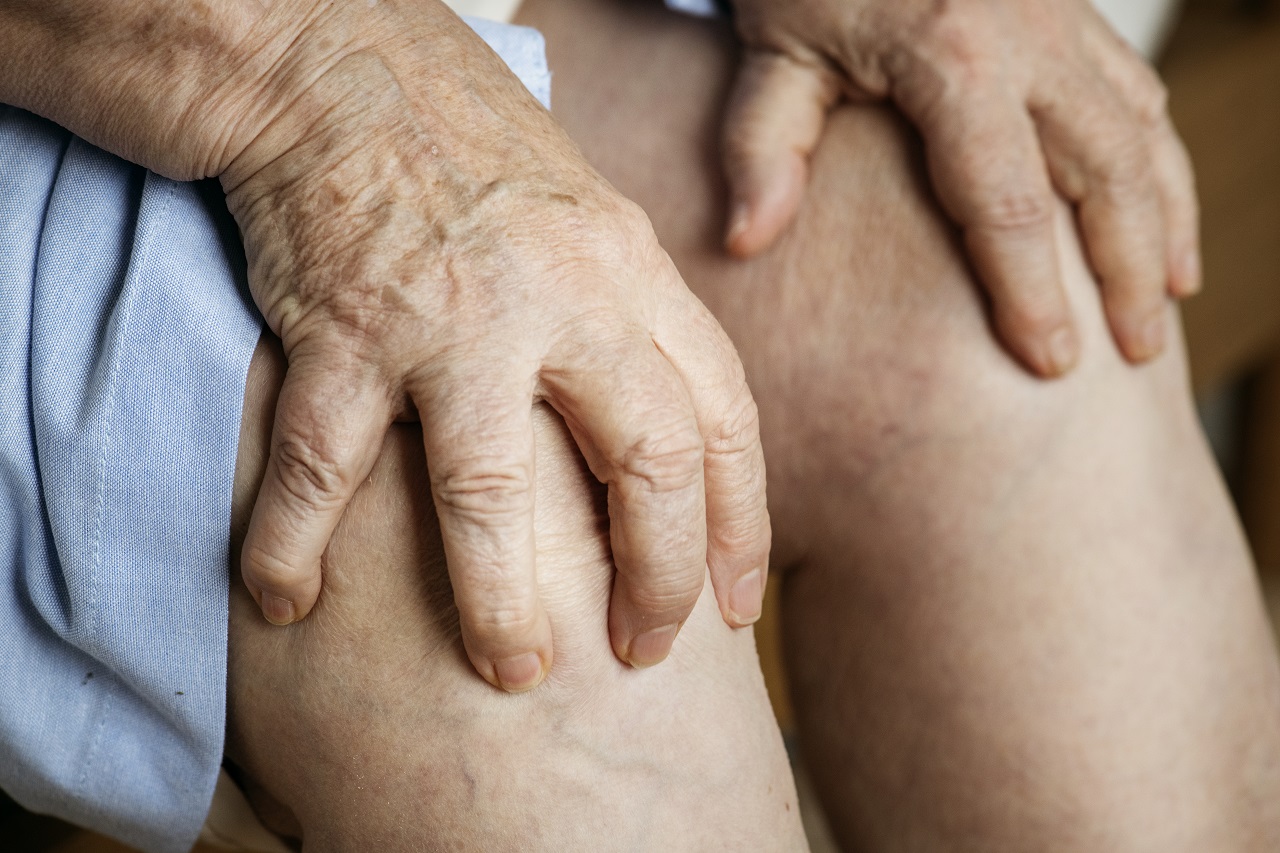
Osteoarthritis Arthritis is common and most people are aware of this medical condition. Among all types of Arthritis, Osteoarthritis is the most common form. It is a non-inflammatory degenerative condition of joints, characterized by degeneration of articular cartilage and formation of new bone that is called Osteophytes.
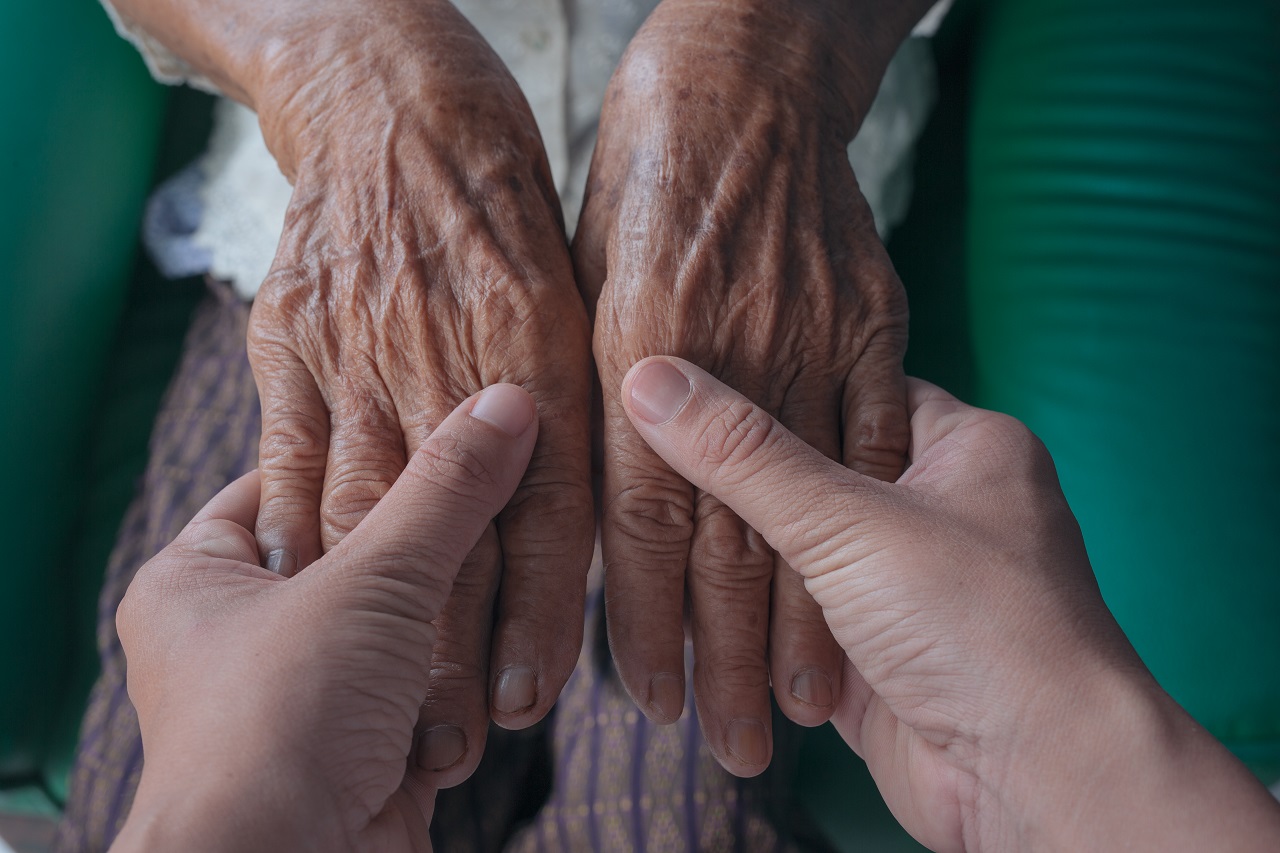

Osteoarthritis can affect any joint in the body, though it most commonly affects joints in the hands, hips, knees and spine. It typically affects just one joint, though in some cases, such as with finger arthritis, several joints can be affected. Osteoarthritis gradually worsens with time, and no cure exists. But osteoarthritis treatments can relieve pain and help you to remain active. Taking steps to actively manage this condition may help patients gain control over the pain.

Symptoms of Osteoarthritis  

Osteoarthritis symptoms often develop slowly and worsen over time. Signs and symptoms include:

  • Pain in a joint during or after use, or after a period of inactivity
  • Tenderness in the joint when you apply light pressure
  • Stiffness in a joint that may be most noticeable when a patient wakes up in the morning or after a period of inactivity
  • Loss of flexibility may make it difficult to use the joint
  • Grating sensation when moving the joint
  • Bone spurs, which appear as hard lumps, may form around the affected joint
  • Swelling in some cases

Unless one has been injured or has placed unusual stress on a joint, it’s uncommon for Osteoarthritis symptoms to affect jaw, shoulder, elbows, wrists or ankles.

What Cause This Condition?

Osteoarthritis occurs when the cartilage that cushions the ends of bones in the joints deteriorates over time. The smooth surface of the cartilage becomes rough, causing irritation. Eventually, if the cartilage wears down completely, patient may be left with bone rubbing on bone — causing the ends of the bones to become damaged and the joints to become painful. It isn’t clear what causes osteoarthritis in most cases. Researchers suspect that it’s a combination of factors, including being overweight, the aging process, joint injury or stress, heredity, and muscle weakness.

Risk Factors that increase risk of osteoarthritis include:

  • Old age: This condition typically occurs in older adults. People under 40 rarely experience it
  • Sex: Women are more likely to develop this condition, though it isn’t clear why
  • Bone deformities: Some people are born with malformed joints or defective cartilage, which can increase the risk of this condition
  • Joint injuries: Injuries, such as those that occur when playing sports or from an accident, may increase the risk
  • Obesity: Carrying more body weight places more stress on weight-bearing joints, such as knees. But obesity has also been linked to an increased risk of osteoarthritis in the hands, as well.

How Can You Prevent It? 

Osteo Arthritis 2

1. Diet

Avoid processed and sugary foods and drinks, eat more fruits and vegetables. Foods rich in antioxidants help in decreasing pain and inflammation. Also include food rich in Omega-3 Fatty Acids. Olive Oil helps in preventing inflammation. Eating fruits rich in Vitamin C helps in building collagen and connective tissue. Examples are citrus fruits, strawberries, red peppers and cabbage. Try some of these foods:

  1. Bananas and Plantains are high in magnesium and potassium which increases your bone density. Magnesium is also known to alleviate symptoms of arthritis. So peel a banana or fry up some plantains!
  2. Blueberries also pack a walloping antioxidant punch! Antioxidants protect your body against inflammation and free radicals – molecules that can damage cells and organs. Pay special attention to blueberries. USDA researcher Ronald Prior, Ph.D., showed that a one-cup serving of Wild Blueberries had more antioxidant capacity than a serving of cranberries, strawberries, plums and raspberries.
  3. Salmon: Not only can Omega-3 found in fish significantly reduce joint pain and shorten the duration of morning stiffness, but studies, such as those reported in the American Journal of Clinical Nutrition, show that increased levels of Omega-3 fatty acids also have enabled people taking Non-Steroidal Anti-Inflammatory Drugs (NSAIDs) to reduce their dosage or discontinue use.
  4. Green Tea: Many studies have shown that green tea possesses anti-inflammatory properties. One study showed that mice predisposed to a condition similar to human osteoarthritis had mild arthritis and little evidence of cartilage damage and bone erosion when green tea polyphenols were added to their drinking water. Another study showed that when added to human cartilage cell cultures, the active ingredients in green tea inhibited chemicals and enzymes that lead to cartilage damage and breakdown.
  5. Vitamin C is important in the development of normal cartilage. A deficiency of Vitamin C might lead to the development of weak cartilage. In 2010, The Arthritis Research Institute of America, Inc. published an important article in the Journal Public Health Nutrition which suggested that Vitamin C supplementation may indeed be beneficial in preventing new cases of knee osteoarthritis.
  6. Soy protein, found in tofu, has been shown to reduce pain and swelling in chronic knee joint pain, not attributed to injury or rheumatoid arthritis. Results were found to be more beneficial for men than women. Tofu can be cubed and fried with noodles, or bought prepackaged as tofu pups or tofu burgers. There are even recipes that call for it in fruit smoothies!
  7. Peanut Butter: Vitamin B3, found in peanut butter, is a supplement that may help people with Osteoarthritis. One 1996 study (National Institutes of Health) showed that taking Vitamin B3 was more effective than a placebo in improving flexibility and reducing inflammation.
  8. Whole Grain Breads and Cereals: In one placebo controlled trial, those with rheumatoid arthritis (and by extension osteoarthritis) had less disability, morning stiffness, and pain when they took high doses of pantothenic acid (Brewer’s Yeast) daily.
  9. Lobster is an excellent source of Vitamin E. Vitamin E may be the key to fighting arthritis-like damage. According to a study from the University of North Carolina at Chapel Hill School of Medicine, Vitamin E (also known as alpha tocopherol) and other naturally occurring antioxidants in the diet appear to protect against knee Osteoarthritis.
  10. Pineapple: For years, professional coaches have recommended pineapple to athletes to help heal sports injuries. That’s because a key enzyme in pineapple called bromelain, which helps reduce inflammation.

Apart from the food recommendations above, ensure that you maintain an active lifestyle. To understand what workouts or exercises you can implement in your daily routine, speak to a certified expert from GOQii by subscribing for Personalised Health Coaching here.

Though Osteoarthritis is a chronic disorder, you can prevent it or if you have it already, you can live in a better way by managing it with proper lifestyle habits. Prevention is always better than cure. So let’s concentrate on exercises as well as healthier food options. Ultimately, eating right, exercise and living a healthy life style can prevent most ailments.

You can explore some healthy habits by checking out Healthy Reads for more articles such as these. Do leave your thoughts in the comments below!

#BeTheForce

Disclaimer: The information provided in this blog is for general awareness and educational purposes only. It is not intended to replace professional medical advice, diagnosis, or treatment. Always consult a qualified healthcare provider for personalised medical guidance or concerns related to your health.

September 5, 2024 By Parwage Alam 10 Comments

8 Reasons Why You Need a Health Coach!

health coachHave you ever taken a year-long subscription to a gym but barely gone twice before you decided to quit? What about one of those fancy weight-loss diets that never helped you cut out junk food? Is binge-watching episode after episode of a thrilling web series while sacrificing sleep a daily routine? The real question is, how many times have you lost motivation while trying to be your own health coach?


On this Teacher’s Day, we celebrate the invaluable role of teachers in shaping our lives. Just like a teacher guides us through our academic journey, a health coach plays a crucial role in guiding us towards a healthier lifestyle. Whether it’s understanding the right food choices, maintaining an exercise routine, or staying motivated, a health coach acts as your personal wellness mentor.

Let’s face it! Most people find it difficult to stick to a routine. Even if you do find the time to squeeze in a workout, are you doing it right? Are you eating the right food for your body type? Is your dietary intake in line with your health goals? There are many questions, and more often than not, being your own health coach can backfire in more ways than one.

This is where you need a health coach. A health coach is like a teacher who guides you in the right direction by helping you make decisions about the right food and exercise. Having a health coach not only keeps you accountable but also keeps you motivated!

8 Reasons Why You Need A Health Coach

  1. Discover Natural Remedies: Having a health coach who knows what they are talking about can help you understand symptoms of a sickness and guide you with natural healing options. Imagine if the contents available in your kitchen and normal food can heal you, wouldn’t you want to know?
  2. A Health Coach Is Your Friend: Life is increasingly fast-paced and monotonous. It is difficult to find someone who is willing to listen to you and your problems. This kind of isolation and lack of communication can eventually lead to increased stress levels. If you have a health coach, they are always there to listen to your issues and is well trained to counsel you in that particular situation. The coach, in this sense, is your buddy – ready to listen to your woes, ask the appropriate questions, help you identify the root cause for your concerns, and assist  you in resolving them.
  3. Responsible and Accountability: Research shows that 80% of the people who make health resolution on New Year’s, break them within 2-3 months. With a bit of self-motivation, you can stick to your plans 1-2 or 3 months at best, but after that, you tend to go off track. Now, if you have a health coach, you will be answerable to that person, which in turn, will help you stick to your resolutions for a long time and eventually achieve your goals.
  4. Help You Understand Your Body: Leading an unhealthy lifestyle can be costly! Weight gain, loss of stamina, and a weak immune system are just some of the consequences. Imagine getting active and following a great diet plan, but it doesn’t work for you! This is where a coach comes in and helps you identify the reason. It might be your body type requiring a different approach.
  5. Increase Your Knowledge: All the nutritional tips, exercise routines, and even techniques to sleep better can enable you to manage a healthy life on your own for years to come. Getting the right knowledge to manage your lifestyle is a gift that you can share as well. Knowledge is power, and a health coach gives you the power to live an active, healthy, and happy life!
  6. Setting Realistic Goals: We always set goals without knowing whether we will be able to achieve them or not. For instance, setting a target of losing 30 kg in 2 months is not realistic. Can you achieve this goal with your current lifestyle? A coach can counsel you on setting more realistic and achievable targets based on your daily routine. Setting small targets to achieve a long-term goal is what a coach can bring to the table.
  7. Problem Solver: Can’t stop that sugar or pizza craving? Got a headache? A hangover maybe? Don’t know what mid-meal you should eat? Is whole wheat bread good for you? You just ate a cupcake! What should you do? Your coach will always be by your side to answer these questions, assist and guide you through all your problems!
  8. Authentic Source of Knowledge: There is a rising trend of fake health news on the internet which can be extremely dangerous! These fake health tips coax people into trying ridiculous things like eating banana peels or following something like beer yoga! Your expert coach can guide you with proper factual information and keep you from making mistakes that can harm you!

Most importantly, a health coach can motivate and push you to achieve your goals!

As we honor the teachers who’ve made a difference in our lives, let’s also recognize the importance of having a guide for our health journey. A health coach not only educates and motivates but also empowers you to lead a healthier, happier life. This Teacher’s Day, take the first step towards positive change by subscribing to Personalised Health Coaching with GOQii.

We hope this article helps you understand the value of a health coach! Let us know your thoughts in the comments below. For more insights into health and wellness, check out our other articles in Healthy Reads.

To get personalized advice and tips from your GOQii Coach, subscribe to Personalised Health Coaching here

#BeTheForce

September 2, 2024 By Vandana Juneja 1 Comment

Strength Training Benefits For Aging Bodies

strength trainingStrength training is essential for everyone, serving not just to enhance muscle strength but also to bolster overall health regardless of age. Whether you are 25 or 65, incorporating some form of strength training into your daily routine is beneficial, though the specifics of the exercises may vary depending on one’s age group.

In this blog post, I will discuss the changes that begin to occur in our bodies as we enter our thirties and forties—changes that are often less than welcome. More importantly, I’ll explore how strength training plays a crucial role in counteracting these changes and significantly enhancing the quality of our lives.

I have experienced the positive changes, that my body has undergone over the last 4-5 years, just by incorporating a strength training routine in the form of workouts with weights, and using my own body weight, as I do in my yoga practice. One can even use resistance bands, the various gym equipment, or own body weight for resistance, by doing push-ups, pull-ups, crunches, leg squats or push-ups against a wall etc.

What Happens As We Age?

The human body goes through changes as we age, and some of the effects are obvious, as we cross middle age. Even healthy, normal ageing includes:

  • A Slower metabolism
  • Decreased muscle mass and strength
  • Increased body fat
  • Reduced bone density
  • Increased bone porosity
  • Stiff joints
  • Slower reflexes and reaction times
  • Decreased aerobic capacity

These are normal changes that we may experience as we age, though the severity varies from person to person. One of the most important reasons to exercise, and specifically include strength training, is to slow and minimize these changes.  

Benefits of Strength Training

1. Increases Muscle Mass
As you age, muscle mass gradually decreases – a condition known as Sarcopenia. Individuals who are less active can expect to lose between 3% to 5% of their muscle mass each decade after turning 30, with this rate accelerating after age 65. By age of 70, the average adult may have lost up to 25% of their muscle mass primarily due to disuse and inactivity. However, this loss isn’t irreversible. Engaging in any form of exercise can help regain muscle mass and strength, but weight lifting, strength training, and resistance training are particularly effective. Research shows that after just six months of strength training twice a week, the biochemical, physiological, and genetic characteristics of older muscles can be rejuvenated by nearly 15 to 20 years.

2. Improves Bone Health
Bone fractures and breaks are quite prevalent among older adults due to decreased bone density and osteoporosis. While there are various causes of osteoporosis that may require medical intervention, substantial evidence suggests that exercise can significantly enhance bone density. Moreover, osteoporosis can be both prevented and managed through strength training. Just as muscles grow stronger with activity, bones also gain strength when engaged in physical exercise. Weight-bearing exercises, in particular, bolster bone health by stimulating the production of new cells.

3. Improves Functional Ability/Movement
Increasing strength through training is crucial for enhancing everyday functionality. Regular strength training enables older adults to enhance their mobility, walk longer distances, and potentially decrease their reliance on assistive devices such as canes and walkers.

Additionally, building strength supports a variety of functional movements, including walking, sitting down and standing up from chairs or beds, climbing stairs or escalators, and carrying groceries. These improvements in physical capabilities make daily life more manageable and empower individuals to engage in a wider range of activities that they desire to pursue.

4. Increases Metabolism
Strength training is highly effective for enhancing your metabolism, which is the rate at which your body burns calories while at rest. Engaging in strength training causes your body to require more energy based on the intensity of the exercise. This not only leads to calories being burned during the workout but also increases calorie burn after the workout as your body returns to a resting state. Additionally, hormones like Testosterone and DHEA, which are vital for strength and energy, naturally decrease with age. However, regular strength training can significantly boost these hormone levels within 8-12 weeks.

5. Improves Brain Health
Aging can increase the risk of loneliness, social isolation, depression, and other mental health challenges. However, building strength enhances mobility and functionality, which can significantly improve overall health, elevate mood, and enhance the quality of life. Additionally, resistance training has been shown to slow cognitive decline associated with aging. Studies indicate that lifting weights can improve memory, attention span, and conflict resolution skills.

6. Improves Health Conditions
Type 2 Diabetes: Strength training effectively lowers blood sugar levels and enhances insulin sensitivity. This improvement helps facilitate the transport of blood sugar into cells, thereby optimizing how the body utilizes glucose.

Cardiovascular Health: When properly executed, strength training benefits both the muscular and cardiovascular systems. Strengthened muscles reduce the workload on the heart, enabling the lungs to process oxygen more efficiently with less effort. This efficiency leads to the heart pumping more blood with fewer beats, which in turn increases the blood supply to the muscles.

How Often Should You Do It? 

It is recommended to engage in strength training three to five times per week for 20 to 30 minutes at a moderate intensity or two to three times per week for 15 to 20 minutes at a high intensity. However, always consult your doctor before starting any workout regimen, particularly if you have any pre-existing medical conditions, and seek professional guidance to ensure the correct technique. This helps in preventing injuries and maximizing the benefits of your workouts, especially when focusing on larger muscle groups which offer greater returns.

Let’s move beyond using age as an excuse and start prioritizing muscle health to enhance both our physical health and psychological well-being!

We hope this article helps you care for your muscles a little more and helps you improve your physical and psychological well-being as well. If you’re about to begin your strength training routine or need help, speak to a certified expert by subscribing to GOQii’s Personalised Health Coaching here.

Want to explore more articles on fitness? Click here.

#BeTheForce

  • « Previous Page
  • 1
  • …
  • 90
  • 91
  • 92
  • 93
  • 94
  • …
  • 112
  • Next Page »

Search

Recent Posts

  • World Pneumonia Day 2026: Warning Signs, Who Is at Risk and the Vaccines That Protect
  • The Early Signs & Symptoms of Diabetes
  • How to Improve Sleep Quality Naturally: 12 Science-Backed Tips for Better Sleep
  • Post-Diwali Reset: Getting Back on Track Without Crash Diets
  • Diwali Safety: First Aid for Burns and Firecracker Injuries, and Protecting Your Lungs from Smoke

Stay Updated

Archives

  • November 2026 (12)
  • October 2026 (23)
  • September 2026 (5)
  • August 2026 (8)
  • July 2026 (24)
  • June 2026 (22)
  • May 2026 (20)
  • April 2026 (24)
  • March 2026 (18)
  • February 2026 (14)
  • January 2026 (14)
  • December 2025 (19)
  • November 2025 (14)
  • October 2025 (17)
  • September 2025 (6)
  • August 2025 (5)
  • July 2025 (9)
  • June 2025 (18)
  • May 2025 (16)
  • April 2025 (22)
  • March 2025 (25)
  • February 2025 (21)
  • January 2025 (25)
  • December 2024 (21)
  • November 2024 (21)
  • October 2024 (15)
  • September 2024 (22)
  • August 2024 (27)
  • July 2024 (14)
  • June 2024 (23)
  • May 2024 (26)
  • April 2024 (27)
  • March 2024 (27)
  • February 2024 (23)
  • January 2024 (21)
  • December 2023 (14)
  • November 2023 (10)
  • October 2023 (18)
  • September 2023 (20)
  • August 2023 (16)
  • July 2023 (16)
  • June 2023 (21)
  • May 2023 (20)
  • April 2023 (19)
  • March 2023 (23)
  • February 2023 (19)
  • January 2023 (15)
  • December 2022 (11)
  • November 2022 (15)
  • October 2022 (15)
  • September 2022 (12)
  • August 2022 (9)
  • July 2022 (17)
  • June 2022 (11)
  • May 2022 (10)
  • April 2022 (6)
  • March 2022 (6)
  • February 2022 (13)
  • January 2022 (11)
  • December 2021 (7)
  • November 2021 (3)
  • October 2021 (6)
  • September 2021 (3)
  • August 2021 (8)
  • July 2021 (7)
  • June 2021 (15)
  • May 2021 (16)
  • April 2021 (10)
  • March 2021 (7)
  • February 2021 (4)
  • January 2021 (4)
  • December 2020 (3)
  • November 2020 (4)
  • October 2020 (10)
  • September 2020 (3)
  • August 2020 (3)
  • July 2020 (2)
  • June 2020 (4)
  • May 2020 (10)
  • April 2020 (12)
  • March 2020 (10)
  • February 2020 (4)
  • January 2020 (4)
  • December 2019 (3)
  • November 2019 (7)
  • October 2019 (5)
  • September 2019 (4)
  • August 2019 (9)
  • July 2019 (9)
  • June 2019 (11)
  • May 2019 (4)
  • April 2019 (8)
  • March 2019 (8)
  • February 2019 (9)
  • January 2019 (8)
  • December 2018 (9)
  • November 2018 (3)
  • October 2018 (3)
  • September 2018 (5)
  • August 2018 (10)
  • July 2018 (6)
  • June 2018 (13)
  • May 2018 (8)
  • April 2018 (17)
  • March 2018 (9)
  • February 2018 (8)
  • January 2018 (15)
  • December 2017 (12)
  • November 2017 (19)
  • October 2017 (13)
  • September 2017 (15)
  • August 2017 (4)
  • July 2017 (8)
  • June 2017 (7)
  • May 2017 (6)
  • April 2017 (8)
  • March 2017 (6)
  • February 2017 (7)
  • January 2017 (9)
  • December 2016 (10)
  • November 2016 (7)
  • October 2016 (7)
  • September 2016 (7)
  • August 2016 (11)
  • July 2016 (9)
  • June 2016 (9)
  • May 2016 (12)
  • April 2016 (17)
  • March 2016 (17)
  • February 2016 (8)
  • January 2016 (6)
  • December 2015 (2)
  • November 2015 (9)
  • October 2015 (7)
  • September 2015 (9)
  • August 2015 (11)
  • July 2015 (9)
  • June 2015 (11)
  • May 2015 (9)
  • April 2015 (13)
  • March 2015 (8)
  • February 2015 (5)
  • January 2015 (12)
  • December 2014 (14)
  • November 2014 (11)
  • October 2014 (6)
  • September 2014 (13)
  • August 2014 (12)
  • July 2014 (6)
  • June 2014 (2)
  • May 2014 (7)
  • April 2014 (4)

From Burnout to Balance: How Dr. Ranjit Reclaimed His Health

Dr Ranjit Bhatt has spent years tending to others. A practising doctor in Odisha, his days were packed with patients, surgeries, and emergencies. From the outside, it looked like a life lived in service. But on the inside, something wasn’t right. “I had no … [Read More...]

From Shimla’s Slopes to Chandigarh’s Sidewalks: Surinder Kaur Bhalla’s Journey from Chaos to Control

Some journeys start with a plan. Others begin with a stumble literally. Surinder Bhalla, a government professional, born and raised in the scenic hill town of Shimla, had always lived a life of movement. “In Shimla, you walked everywhere,” she reflects. “Walking was never an exercise. It was just life.” But after shifting to Chandigarh, […]

“I’ve Challenged Myself to Live 100 Years” – The Story of Chandubhai Savani’s Second Chance at Life

At 67, most people start slowing down. Not Chandubhai Savani. A resident of Surat, Chandubhai, thought life was on track. “My life was going well till I had my bypass surgery,” he says. That surgery, back in 2021, was a wake-up call.  Medication was routine, but exercise wasn’t. His diet? What he calls ‘normal.’ “I […]

Ananda Mukherjee Health Story

From Terminal Illness To Complete Wellness! Ananda Mukherjee Health Story

As we observe World Cancer Day under the powerful theme ‘United by Unique’ (2025-2027)**, we are reminded that every individual’s journey with cancer is distinct, yet united by shared resilience, hope, and the collective fight against this disease. This theme places people at the centre of care and their stories at the heart of the […]

  • HOME
  • HEALTHY LIVING
  • FITNESS
  • HEALTHY RECIPES
  • USER STORIES
  • KARMA
  • BUY GOQii

Copyright ©2016 GOQii


